



Modern cars aren’t just engines with wheels attached. They’re rolling networks. From the infotainment screen to advanced driver-assist systems, even the humble headlight switch now talks to a control module somewhere in the dash.
And while today’s electronics are far more robust than the brittle systems of the early 2000s, they still need a bit of care. Ignore them, and gremlins creep in: warning lights, glitchy screens, flat batteries.
Here’s how to keep your car’s electronics healthy, without turning your driveway into a workshop.
Start with the battery
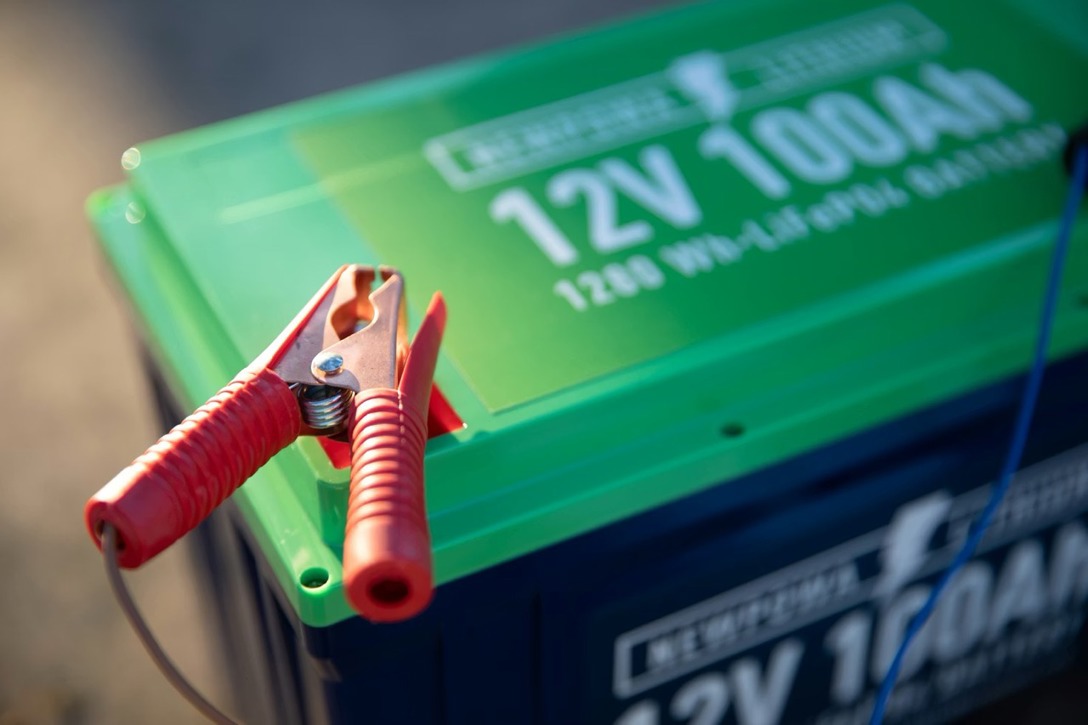
Every electronic feature in your car relies on stable voltage. A weak or ageing 12V battery is the number-one cause of strange electrical behaviour. Flickering displays, intermittent sensors, random error messages are often not indicative of a failed module, just low voltage.
If your car is more than three years old and still on its original battery, have it tested. Many workshops can check voltage and cold cranking performance in minutes. Replacement isn’t glamorous, but it’s cheaper than chasing phantom faults.
For hybrids and EVs, the high-voltage battery grabs headlines, but the 12V battery still runs core systems. If it fails, the car won’t “boot up”, regardless of how much charge sits in the traction pack.
Short trips are another culprit. If you mostly drive a few kilometres at a time, the alternator may not fully recharge the battery. An occasional longer run (or a smart charger at home) keeps things balanced.
Keep moisture out
Electronics and water mix about as well as sand in a gearbox. Modern cars are well sealed, but blocked sunroof drains, cracked door seals or poorly fitted windscreens can let moisture sneak in.
If you notice damp carpets or a musty smell, investigate quickly. Many control modules sit low in the cabin, sometimes under seats. Persistent moisture can corrode connectors and trigger expensive failures.
Engine bays are designed to handle rain and light splashes, but high-pressure water blasting isn’t harmless. Avoid spraying directly at fuse boxes, wiring looms or exposed connectors. A gentle rinse is fine; a water cannon at close range isn’t.
Be sensible with mods
Adding dashcams, aftermarket stereos, extra lighting or tow wiring can be done properly... or very badly. Poor installations cause voltage spikes, parasitic drains and communication faults between modules.
If you’re adding accessories, use reputable installers who understand modern CAN bus systems. Tapping randomly into wiring because “it looks close enough” is how you create a fault that takes hours to diagnose later.
The same applies to jump-starting. Connect leads incorrectly, or spike the system, and sensitive modules can suffer. Follow the manual’s guidance carefully. Some newer cars even specify dedicated jump points to protect electronics.
Keep software updated

Cars now run software as much as they run fuel. Many newer models allow over-the-air updates, while others require dealer visits. These updates don’t just add features. They also fix bugs, improve compatibility and refine safety systems.
If your infotainment system freezes regularly or driver-assist alerts seem erratic, check whether an update is available. It’s the automotive equivalent of updating your phone’s operating system. Ignore it long enough and glitches multiply.
That said, if everything works perfectly, there’s no need to chase updates obsessively. Treat them as maintenance, not a hobby.
Protect the charging and starting systems
Alternators, starter motors and voltage regulators work quietly in the background. When they falter, electronics are often the first to complain.
Watch for dimming lights, slow cranking or battery warnings. Address these early. A failing alternator can overcharge as easily as undercharge, and both conditions stress control modules.
Likewise, avoid repeatedly running the battery flat. Leaving lights on, for instance. Deep discharges shorten battery life and strain the charging system.
Don’t ignore warning lights

The temptation to drive on with a glowing dashboard icon is strong, especially if the car feels normal. But electronics are often your early warning system. A minor sensor fault today can escalate if ignored.
A quick diagnostic scan can reveal whether it’s a trivial issue like a loose fuel cap or something that needs attention. Modern fault codes are precise; use that to your advantage rather than hoping the light will disappear.
Treat it like the tech it is
Cars now carry dozens of control units managing everything from engine output to adaptive cruise control. They’re remarkably durable, but they’re not immune to neglect.
Keep the battery healthy. Keep moisture out. Install accessories properly. Update software when needed. Respond to warning signs early.
Do that, and your car’s electronics will quietly do their job with no drama, no random warning lights, and no late-night Googling of mysterious dashboard symbols. Just smooth, predictable operation, which is exactly what you want from the most complex machine most of us own.