



With fuel prices climbing across New Zealand - and forecasts suggesting further increases - drivers are looking for ways to reduce the impact.
Of course there are a number of things you can do to reduce fuel use in your current car like remove roof racks and bike carriers to reduce drag, ensure your tyres are at their correct pressure and that your car is well maintained and regularly serviced to ensure efficiency, as well as reduce weight by removing unnecessary items.
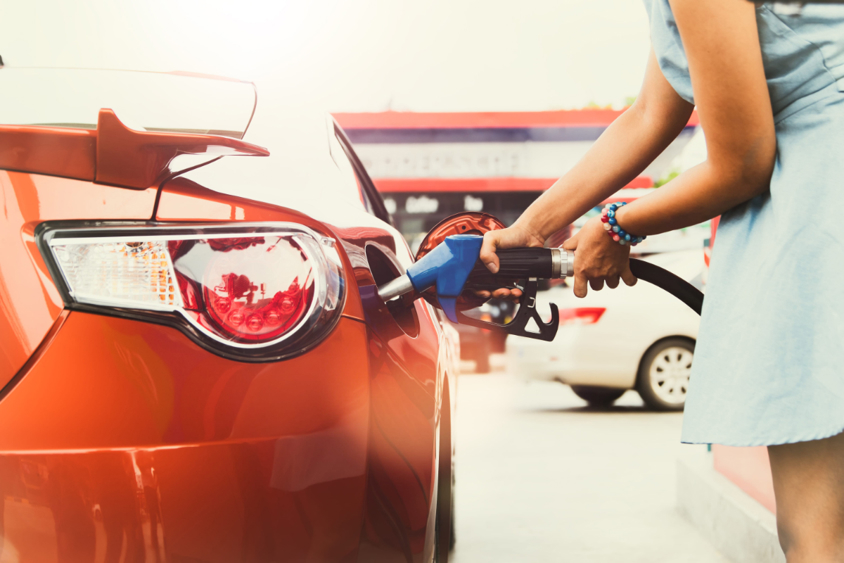
But that then brings up the question of whether it’s cheaper to run your tank close to empty to reduce weight even further or fill up earlier before prices rise again. A big fill before prices go up again, or smaller regular top ups to split the cost? All questions that can haunt cost-sensitive drivers (which, let's face it, is most of us), so let's take a look at the best options.
The answer to these questions changes depending on what fuel prices are doing; when prices are stable or falling, it makes sense to keep less fuel onboard and wait for cheaper refills, but when prices are trending upward - as the very much are now - the most cost-effective approach flips: filling earlier becomes cheaper, even if it means carrying slightly more weight.
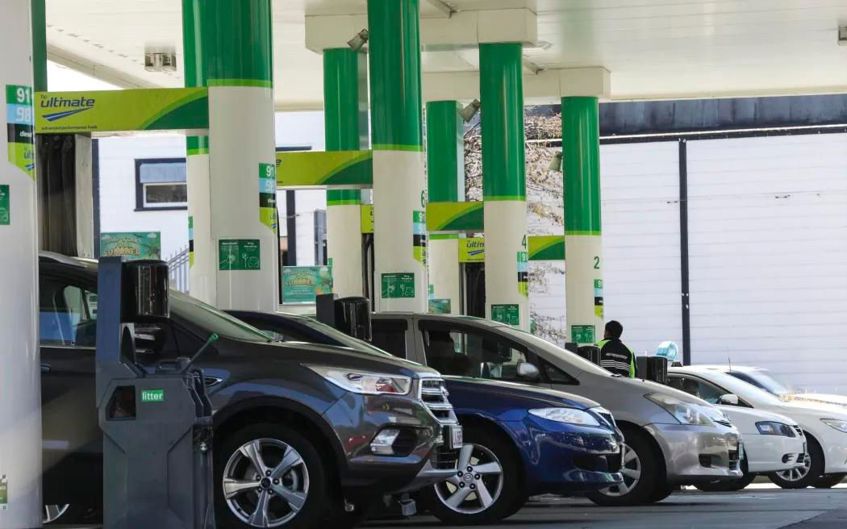
While fuel is heavy, it’s not heavy enough to actually matter much. Petrol weighs roughly 0.75kg per litre, while diesel is closer to 0.84kg per litre. That means a full tank might add anywhere from 25kg in a small hatch to more than 60kg in a large diesel ute.
While that sounds significant, the real-world impact on fuel consumption is tiny - typically around one percent or less. In dollar terms, that’s often only a few cents per100km.
By contrast, even a small increase in pump prices can cost several dollars per tank. When prices are rising week-to-week, waiting until the tank is nearly empty often means paying more overall. To see how that plays out, consider three common vehicles as examples: the Suzuki Swift, the Toyota RAV4 and the Ford Ranger.
The Suzuki Swift equation: small tank, frequent top-ups
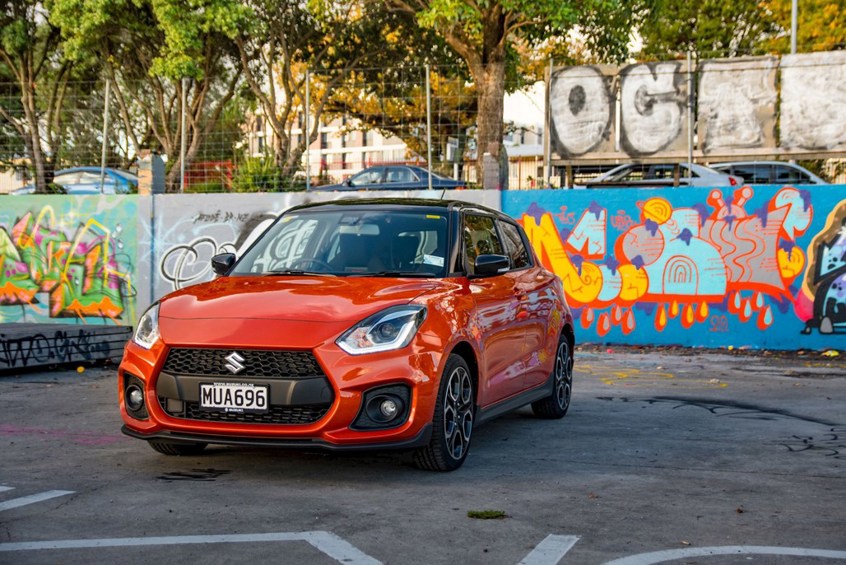
With a tank of around 37 litres and fuel use of roughly 6.0L/100km, the Suzuki Swift benefits most from small, frequent top-ups. Because the tank is relatively small, the financial gain from buying earlier is modest, but there’s also virtually no penalty for carrying extra fuel.
The most cost-effective strategy is to refill when the gauge drops to around half a tank, rather than waiting for the warning light. At that point you’ll typically be adding 15 to18 litres. This keeps your average fuel price lower if costs rise, while avoiding unnecessary weight.
In practice, that usually means filling once a week for typical commuting, or roughly every 400 - 500km depending on driving style. There’s little benefit in filling the Swift completely every time, but letting it drop below a quarter tank risks being forced to buy at a higher price later.
SWIFT STRATEGY: Fill at half tank, add around 15 to18 litres, top up weekly, avoid dropping below ¼ tank.
The Toyota RAV4 equation: half-tank rule
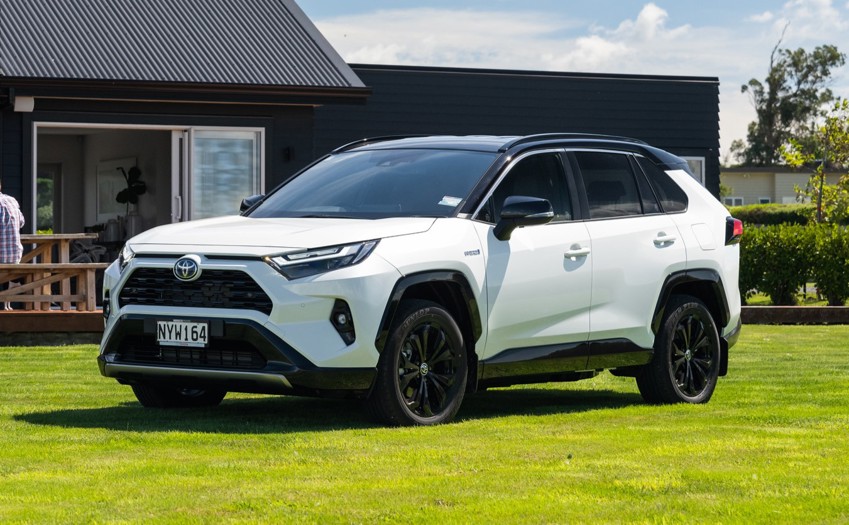
A mid-size SUV like the Toyota RAV4 sits in the sweet spot where timing starts to matter more. With a 55-litre tank and consumption around 8.0L/100km, waiting until empty means buying a large amount of fuel at whatever the current - potentially higher - price is.
The cheapest approach is to follow a half-tank rule. Refill when the gauge drops just below halfway, typically adding around 25 litres. This spreads purchases across time and reduces exposure to price jumps.
For many drivers this means refuelling every 500 to 650km, or roughly every 7 to10 days. Unlike the Swift, filling the RAV4 completely when prices look likely to jump can also make sense, particularly before long trips.
RAV4 STRATEGY: Refill just below half, add around 25 litres, fuel every 7 to 10 days, fill full before expected increases.
The Ford Ranger equation: buy earlier, avoid big fills
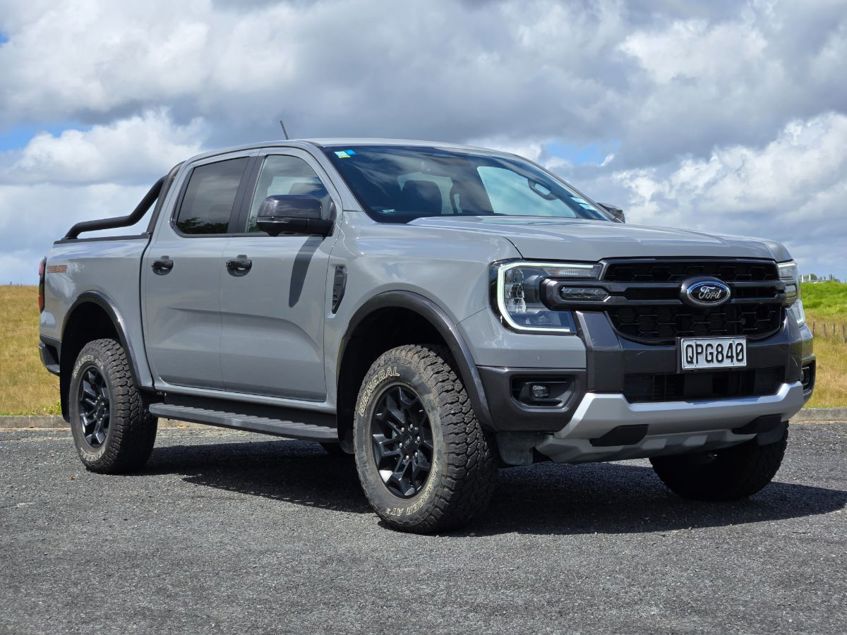
Large diesel tanks magnify the advantage of buying earlier. An 80-litre Ford Ranger tank can require a very expensive fill if allowed to run low, so avoiding near-empty refuelling becomes more important.
The most cost-effective strategy is to refill between ½ and ⅝ tank, rather than waiting until low. This typically means adding around 30 to 35 litre sat a time. Doing this reduces the size of each purchase and spreads your fuel cost across time, lowering exposure to rising diesel prices.
Because of the Ranger’s higher consumption (around 11.5L/100kmin mixed driving), this usually means refuelling every 400 to 600km, depending on usage. While this may feel more frequent, it prevents the painful $220+ fill that comes with running near empty.
For towing, long-distance travel, or when a noticeable price jump is expected, filling the tank completely still makes sense.
RANGER STRATEGY: Refill between ½ and ⅝ tank, add around 30 to 35 litres, fuel every 400 to 600km, avoid near-empty fills.
The simple rule across all three when prices are rising:
- Don’t wait for the fuel light
- Refill around half tank
- Buy smaller amounts more often
- Avoid large near-empty fills
Whether you’re driving a Suzuki Swift, Toyota RAV4 or Ford Ranger, the cheapest strategy is the same in principle: buy earlier, split your purchases, and keep roughly half a tank onboard.