



Many aspects of driving practice are open to interpretation. Which direction to park in is not one of them. Ninety-plus per cent of the time, backing in is the way to go. There are so many reasons for, so very few against, it's not really even a discussion. But let's have one anyway.
Just to be clear, I'm referring to parking in almost all its forms and locations: perpendicular or parallel, dedicated facilities or simply on the street.
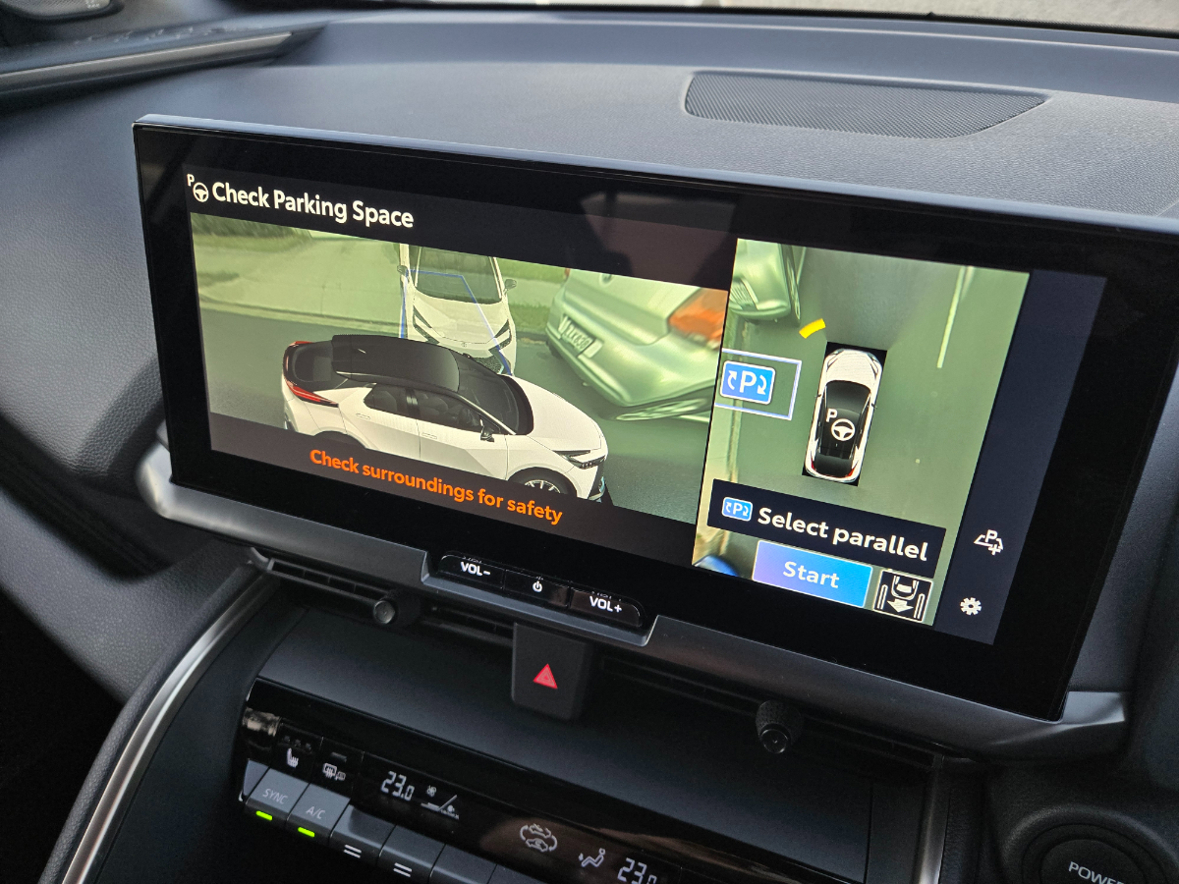
If you drive a fairly modern car, there are fewer and fewer excuses not to reverse-park because rearward camera systems are now so common. Some of the more sophisticated setups go the full 360 degrees and some will give you a bird's-eye view of the car (or even a "540 degree" view, including underneath the vehicle). All configurable to the way you like it.
But even if you're sans all that high-tech, the good-sense arguments for reverse parking still apply.
Reversing into a parking space is safer
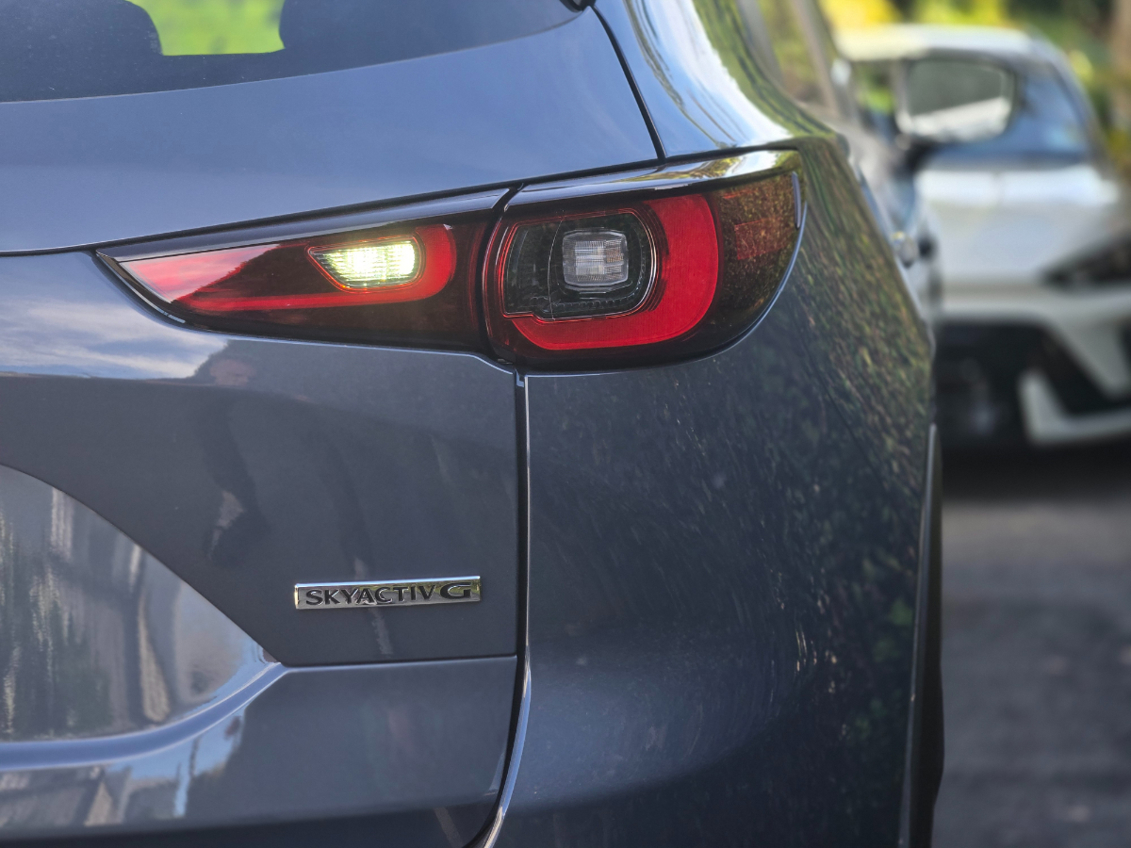
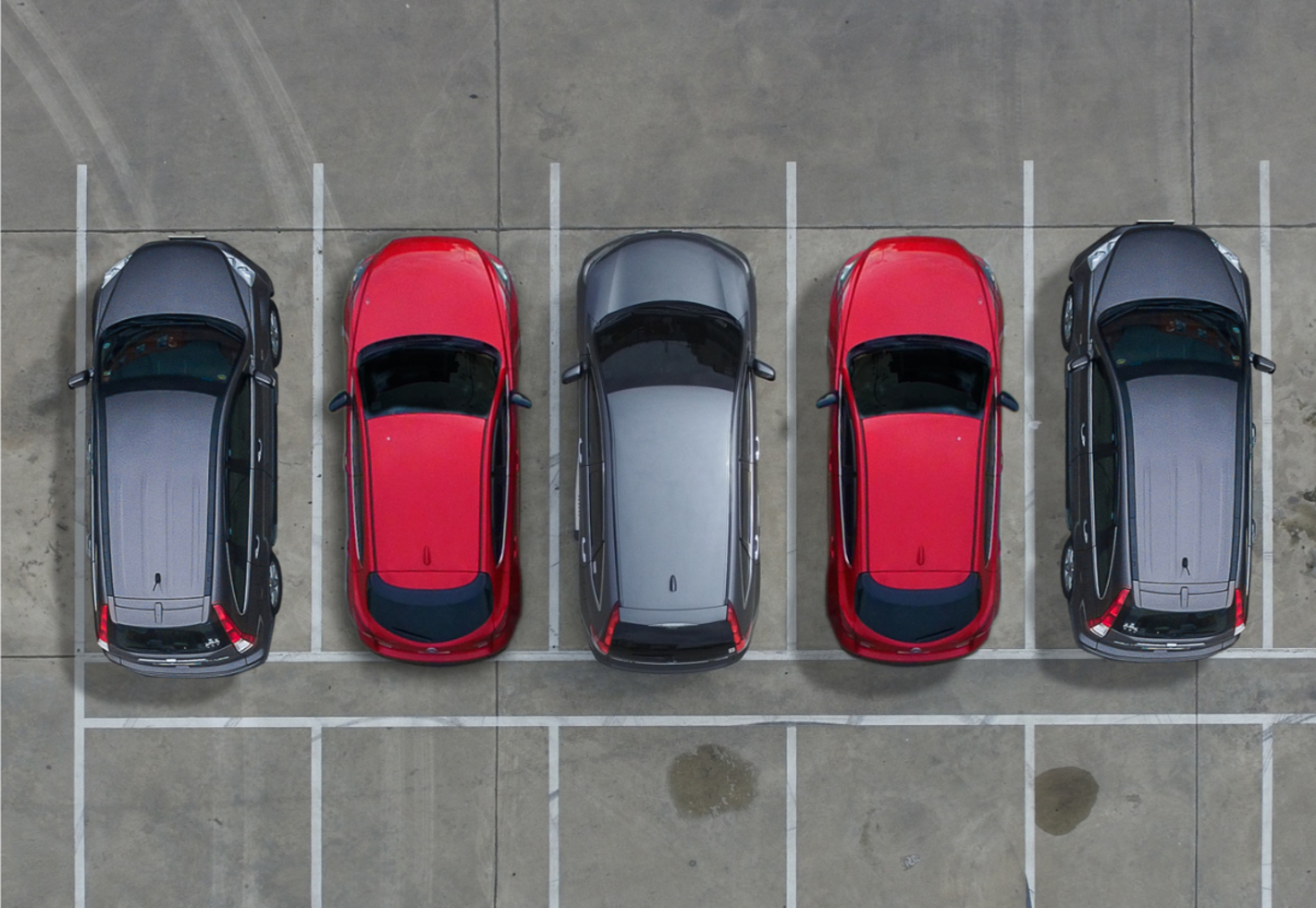
Whether it's perpendicular (side-by-side in a parking building, for example) or parallel (like when cars are nose-to-tail along the street), the safest way to get in is backwards. That's for two reasons.
First, to get in backwards you generally have to drive past the space, which means you have a chance to scan the area for living things and obstacles. So once you start the manoeuvre, you already have a good idea of what you're backing into, meaning a more informed operation when you're actually doing it.
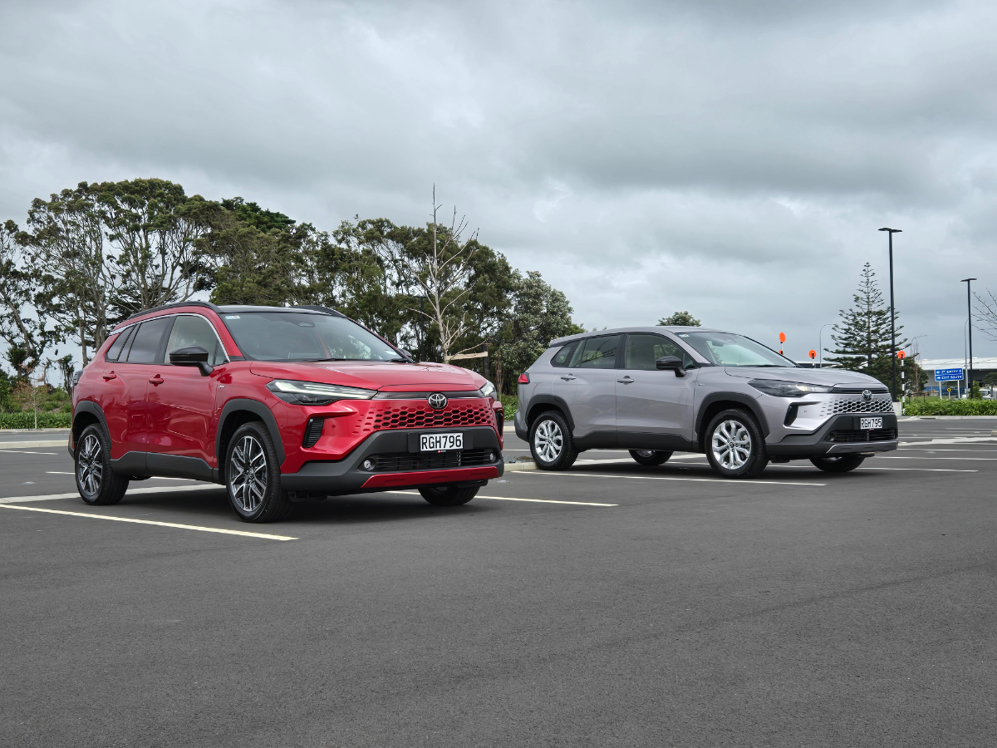
Second, when you're driving out again, you're looking forward, which is where the landscape is most likely to change while you're moving (unlike the rear). Your attention and widest field of vision is where the most dynamic/dangerous environment is.
Reversing into a parking space is easier
This seems obvious, but escapes so many people when it comes to the crunch.
Unless you've driven a forklift into town, it's the front wheels of your vehicle that do the steering. Which means the front is where all the manoeuvrability is.
If you plant the front-end of a car into a perpendicular or parallel space first, your options to adjust the angle once you're in are pretty limited. Whereas reversing-in means you have until the last stages to swing the car left-or-right and get everything just right.
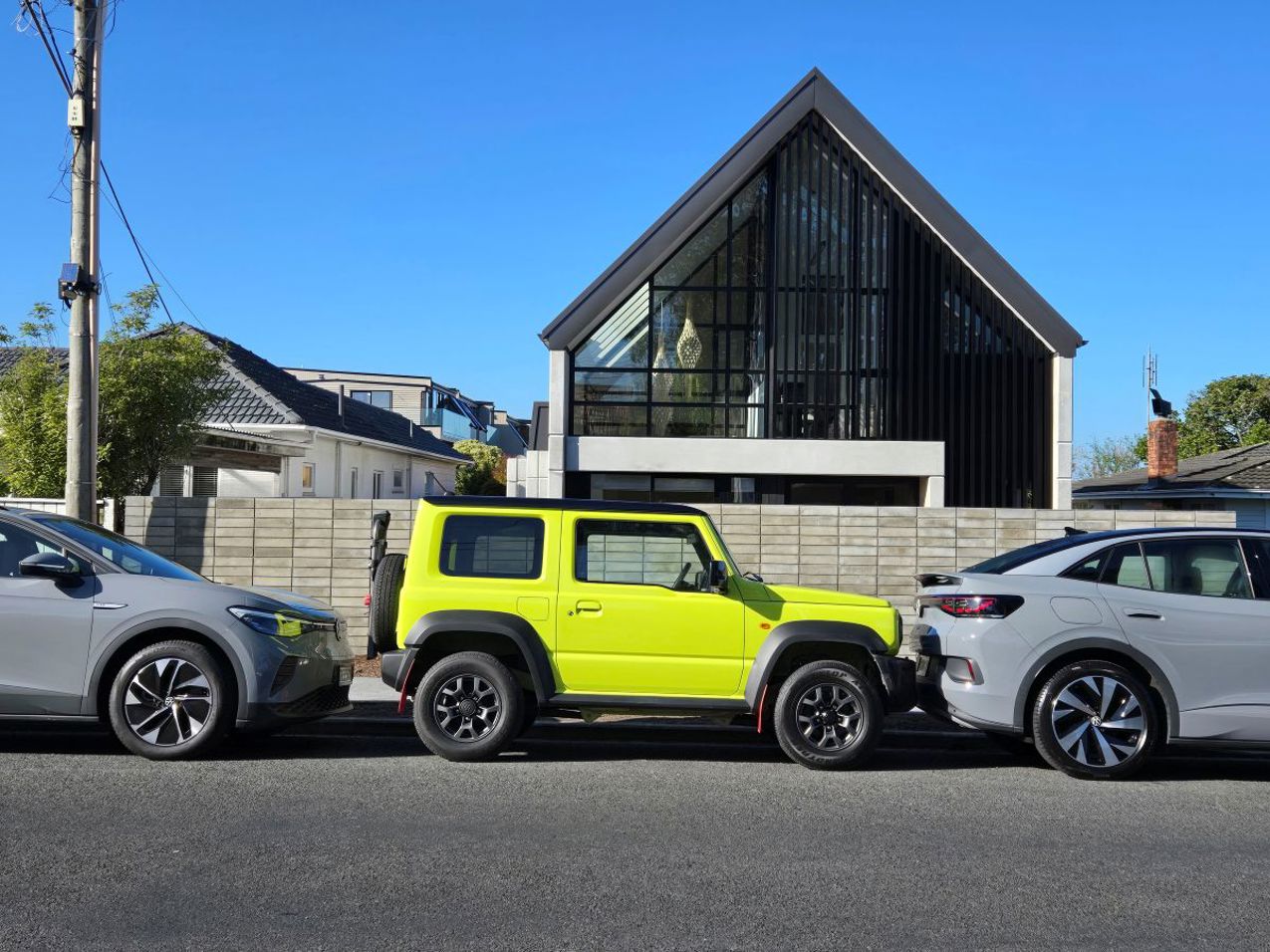
For parallel parking, backwards is the only way to get into a short space. And you really can get into an incredibly short space if needed.
In a perpendicular situation, reversing-in is also a guarantee that you can get out again. If the cars either side of you change while you're parked, and there's an obstacle behind (like a wall or another row of parked cars), it's possible that it'll be extremely hard to get out again, because if you have to back out you can't really start making big steering movements until you're clear of the vehicles beside you.
If you've backed in, you can start shuffling straight away.
Reversing into a parking space is more environmentally friendly
This doesn't apply if you're driving hybrid or electric, but backing out of a parking space when a combustion engine is cold creates more pollution, thanks to all the on-off use of the throttle. It also creates extra noise pollution, which is worth thinking about if you leave your garage or parking space early in the morning and you have neighbours at close quarters.
Engines and transmissions are also not as smooth when they're not warm, which means the whole operation is a lot less elegant. Elegant exits are something we should all aim for.
So why don't people reverse into parking spaces then?
Good question. Probably because when we get to a parking space, we're in a hurry - to get to the shops or get inside the house after a day at work, or whatever. It can seem like a hassle to stop, gather your thoughts and position the car for a reverse manoeuvre.
But that's a false economy, because you'll have to do all that annoying stuff when you leave again, which is not ideal for all the reasons above.
Okay, there are some exceptions
I cannot argue it should be a 100% reverse-parking world. Although what a world that would be.
There are angle-parks of course, and it doesn't make a lot of sense to reverse into those because you'd be at the wrong angle to exit. Although council bylaws in Bathurst, Australia, still state you have to reverse into angle parks in certain central-city areas for safety reasons, which is strange but satisfying.
Some businesses require that you don't reverse into perpendicular spaces when there's a building behind, to avoid getting exhaust stains on paintwork or directing fumes towards doors and windows (again, congrats if you drive hybrid or electric).
But these are exceptions, which means there's a rule. The rule is reverse.