



- Skoda will introduce model year updates for Elroq and Enyaq with rollout from mid-2026.
- New features include upgraded infotainment, digital key access and V2L functionality.
- Entry-level variants adopt LFP battery tech, while outputs range from 140kW to 250kW.
Skoda is rolling out a suite of updates for its electric bestsellers, the Elroq and Enyaq, with improvements focused on infotainment, charging, and everyday usability.
Set to arrive from mid-2026, the updates build on strong sales momentum, as both models ranked among Europe’s top 10 electric vehicles in 2025.
Smarter screens, better connectivity
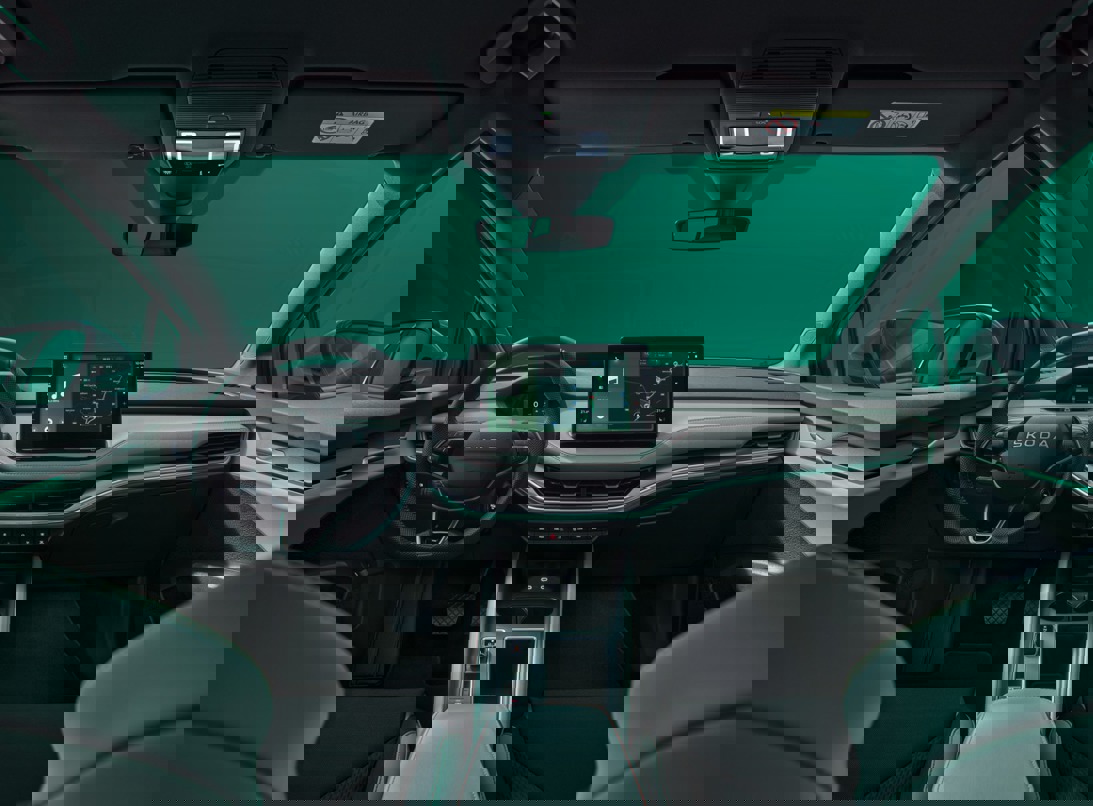
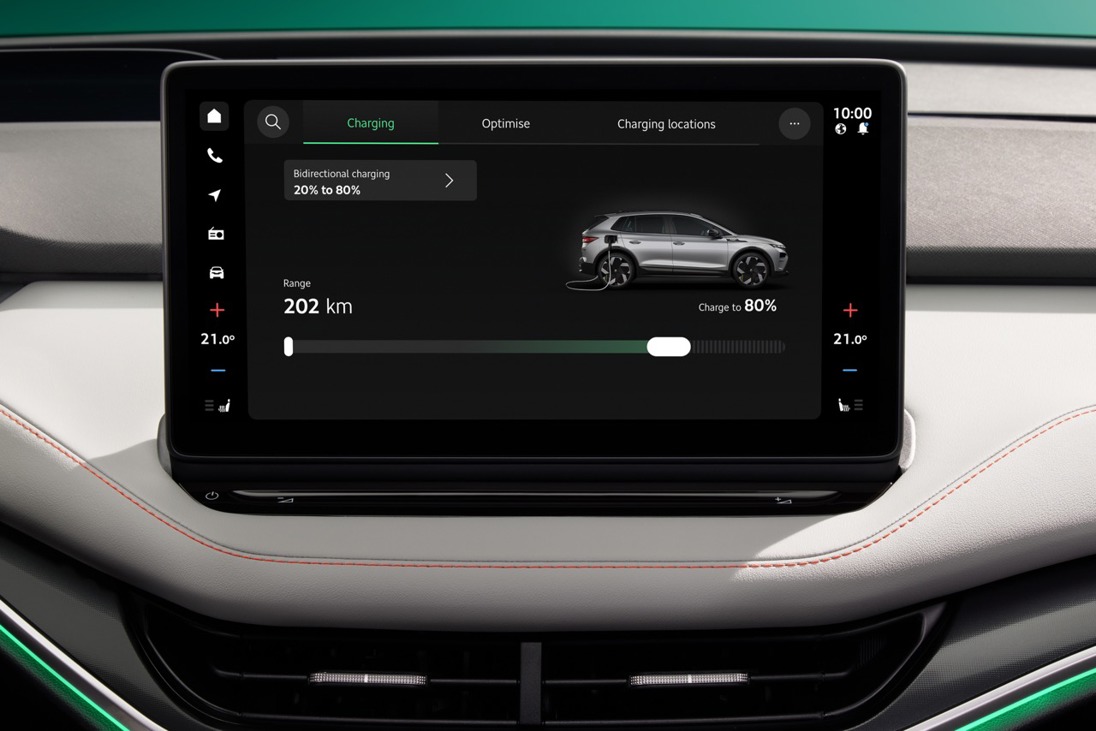
The headline change is a revamped infotainment system. Running on an updated Android-based platform, it brings a redesigned interface, improved personalisation and a more intuitive layout.
There’s also a new in-car app store, allowing access to services like Spotify and YouTube directly from the vehicle.

Connectivity has been broadened too. A digital key makes its debut, enabling owners to unlock, start and even share access to the car using a smartphone. Meanwhile, Skoda’s Powerpass charging service is now integrated into the navigation system, displaying real-time charging data and enabling in-car authorisation.
Everyday EV gains
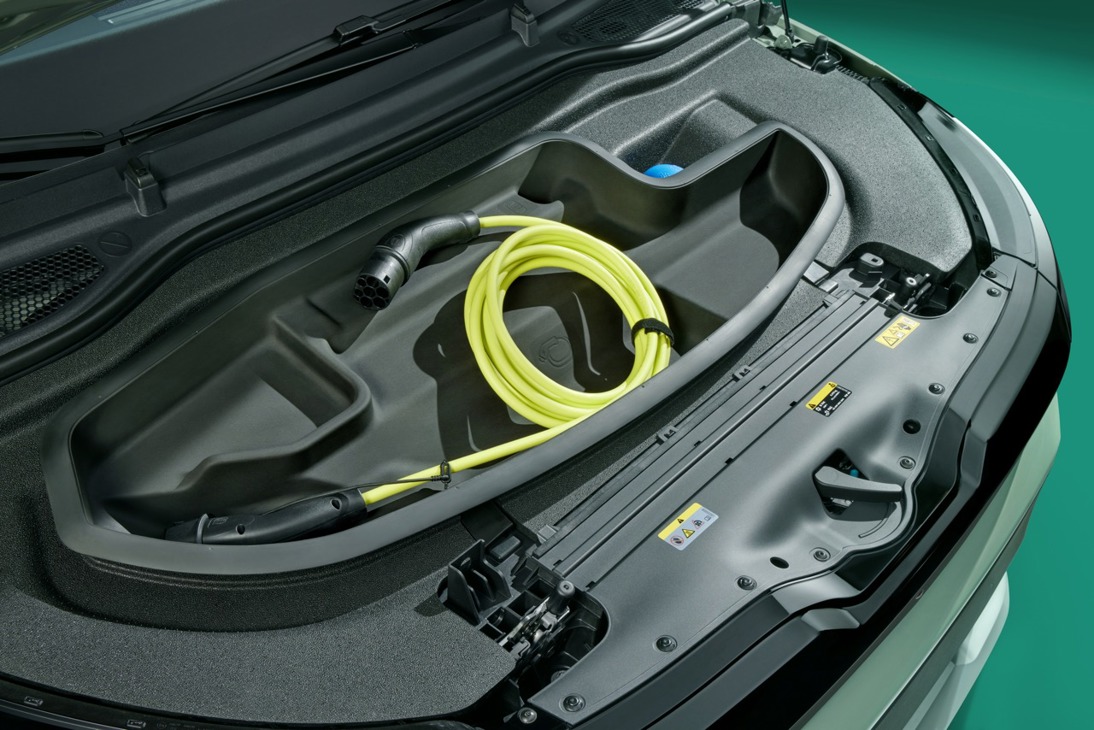
Beyond the screen, Skoda has focused on practical upgrades. A new Vehicle-to-Load (V2L) function allows the cars to power external devices via a 230V outlet, useful for everything from camping gear to power tools.
One-pedal driving has also been enhanced, with adjustable regeneration levels capable of bringing the car to a full stop without touching the brake.
There’s even a 21-litre front boot added under the bonnet, while wireless charging gets a boost with Qi2 support delivering up to 25W.
More assistance, new batteries
Driver assistance has been sharpened through an updated Travel Assist system, with improved sensors, smoother speed control and more advanced lane guidance. Emergency Assist can now guide the vehicle to the hard shoulder if the driver becomes unresponsive.
New hardware also includes corner radars for better cross-traffic detection and an interior camera that monitors driver attention.
At the entry level, both models will switch to LFP battery technology, aimed at improving durability and lowering costs for everyday users.
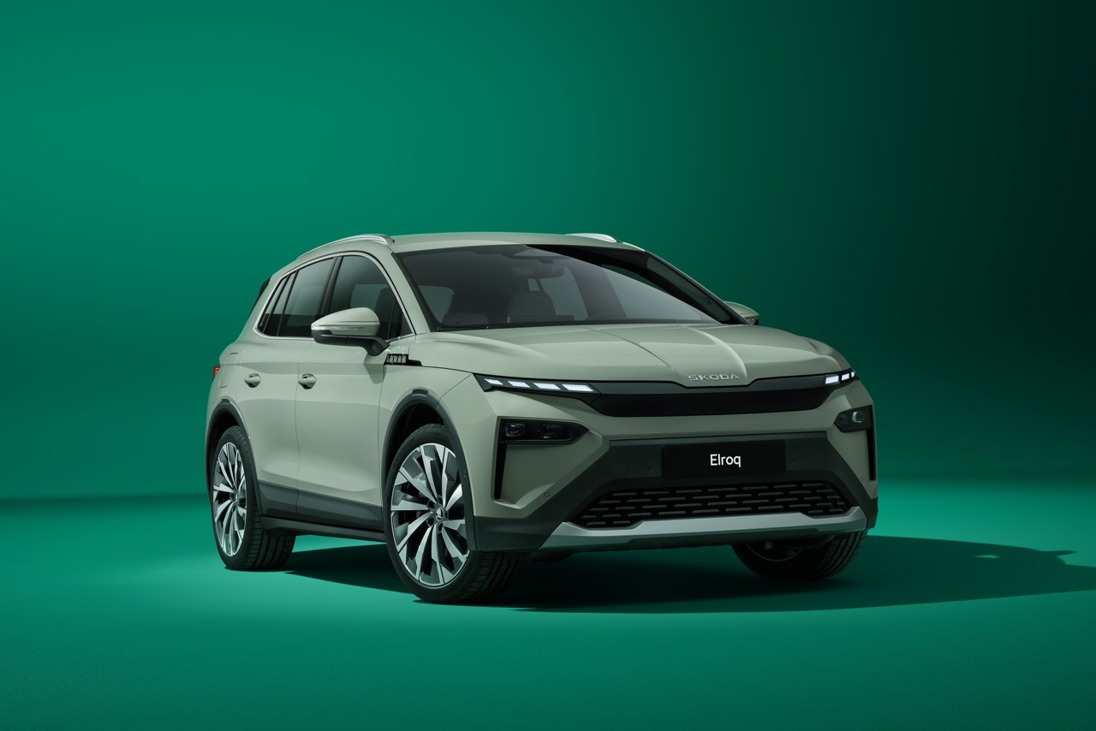
Performance figures remain familiar. As shown in the specification tables on pages 4 and 5, outputs range from 140kW in base models up to 250kW in RS variants, with 0 to 100km/h times as low as 5.4 seconds.
With more features packed into an already popular pair of EVs, Skoda’s latest update leans into usability: less about headline numbers, more about making electric ownership easier day to day.


