



- Tesla still dominates pure-electric sales.
- BEVs holding steady, but PHEVs have doubled in market share.
- Three separate BYD models across the top 10 cars.
Hybrids (the non-plug-in kind) continue to dominate electrified-vehicle sales in New Zealand, accounting for nearly 30% of the market in 2025.
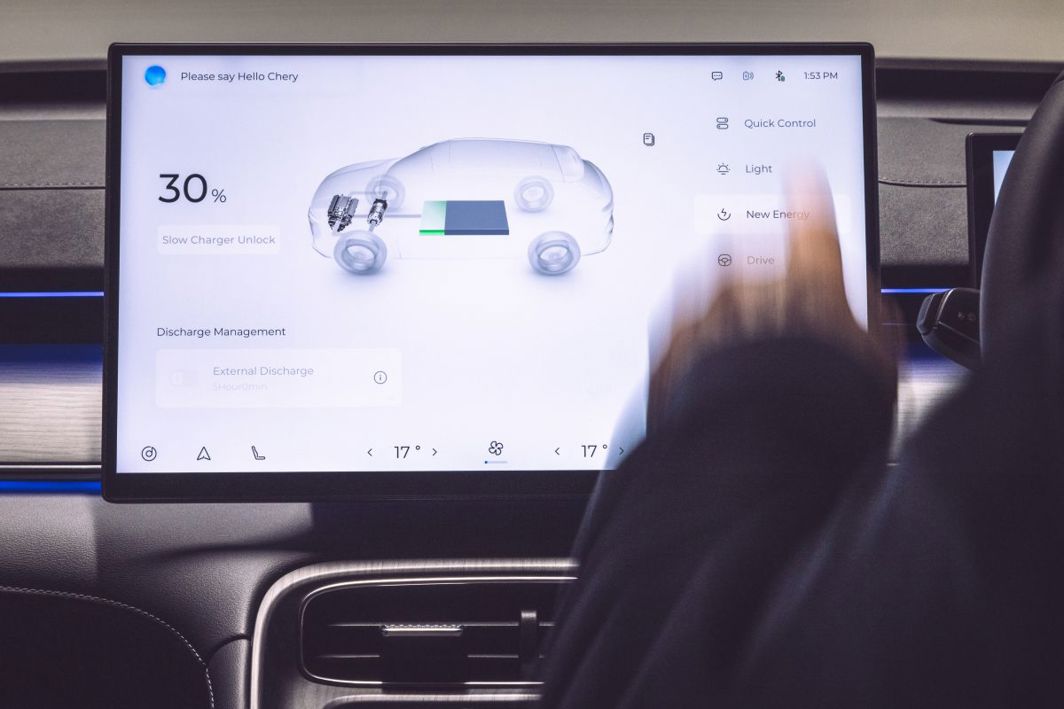
While EVs (both "pure" electric BEV and the plug-in hybrid PHEV kind) are nowhere near returning to the glory days of the Clean Car Discount (2022-23, lest we forget), there are positive signs. BEVs held steady in 2025 compared to the previous year, with a modest 0.4% growth to 5.6% share of the total market (7706 sales), while PHEVs nearly doubled from 2.7% to 5.0% share (6885 registrations).
A modest base, but still significant. Plug-in vehicles are the future and that's a fact, so these stats are certainly sending us somewhere. It won't happen overnight... but it will happen.
What were the top electric model choices for Kiwis in 2025? Let's take a look.
The top BEVs in NZ for 2025
1. Tesla Model Y (1284 sales)
The refreshed Model Y arrived mid-year with a new look - and a much less awkward look than it had before, to be honest - with some worthwhile trim and tech changes.
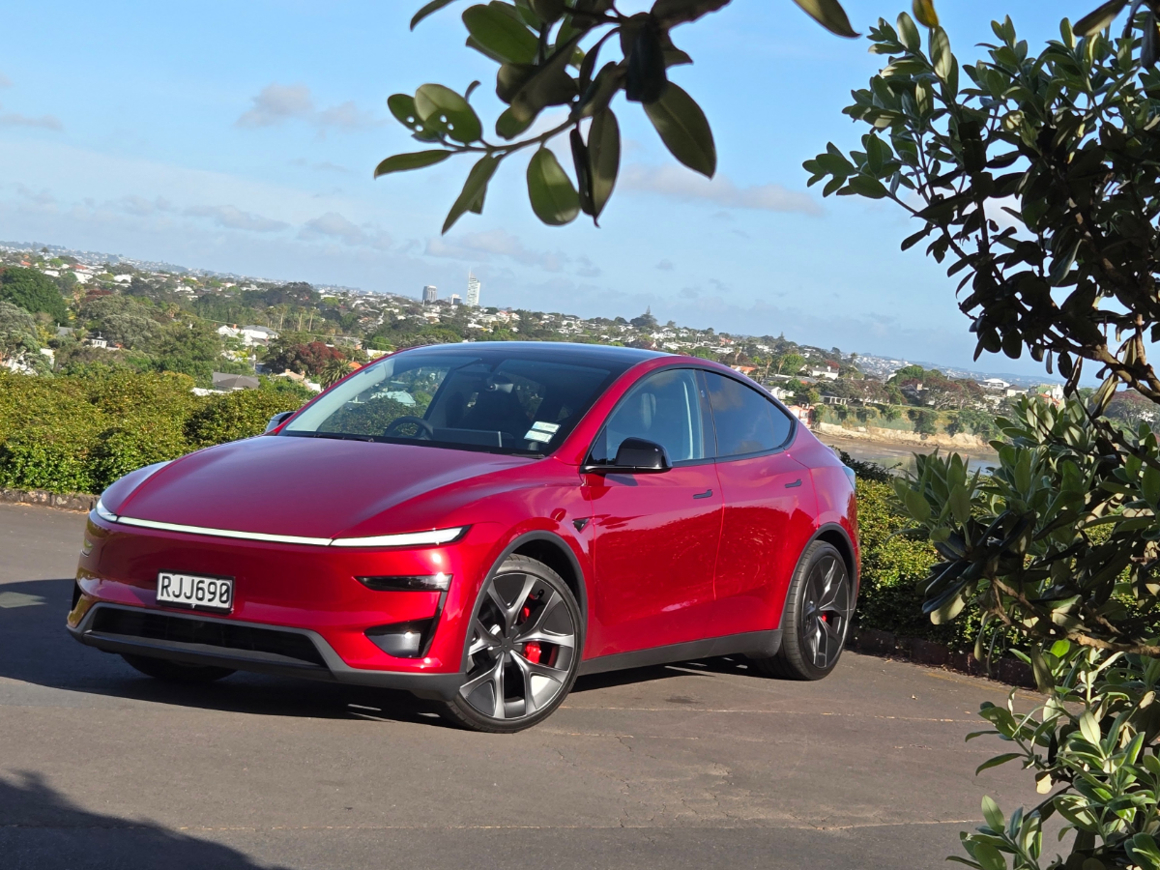
The really big news was the arrival of a Full Self Driving (Supervised) option in October, which stands as a watershed moment for automated-drive technology in NZ. Yes, it really can drive itself, even in quite challenging environments.
Late last year we also got the Model Y Performance, which showcases the newfound maturity of this SUV more than any other version.
2. BYD Atto 3 (555)
The Atto 3 was one of the cars that really propelled pure-electric technology into the Kiwi consciousness. And while a lot of volts have flowed through the market since launch in 2022, it's still making an impact in overall sales.
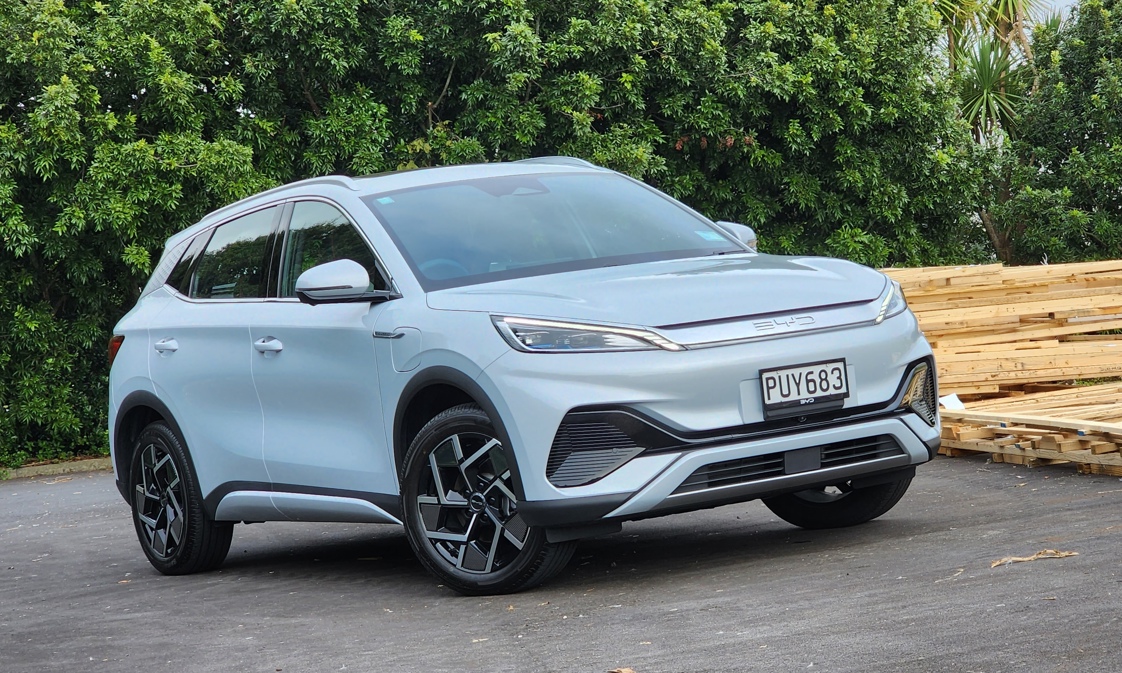
The lineup has been rationalised slightly, and Atto 3 now comes in two battery sizes, Essential or Superior specifications.
3. Polestar 2 (354 sales)
The Polestar 2 pioneered the Geely-Volvo joint venture EV brand. The model portfolio is now much larger and more upmarket, but it's little wonder that the stylish 2 still leads in volume.
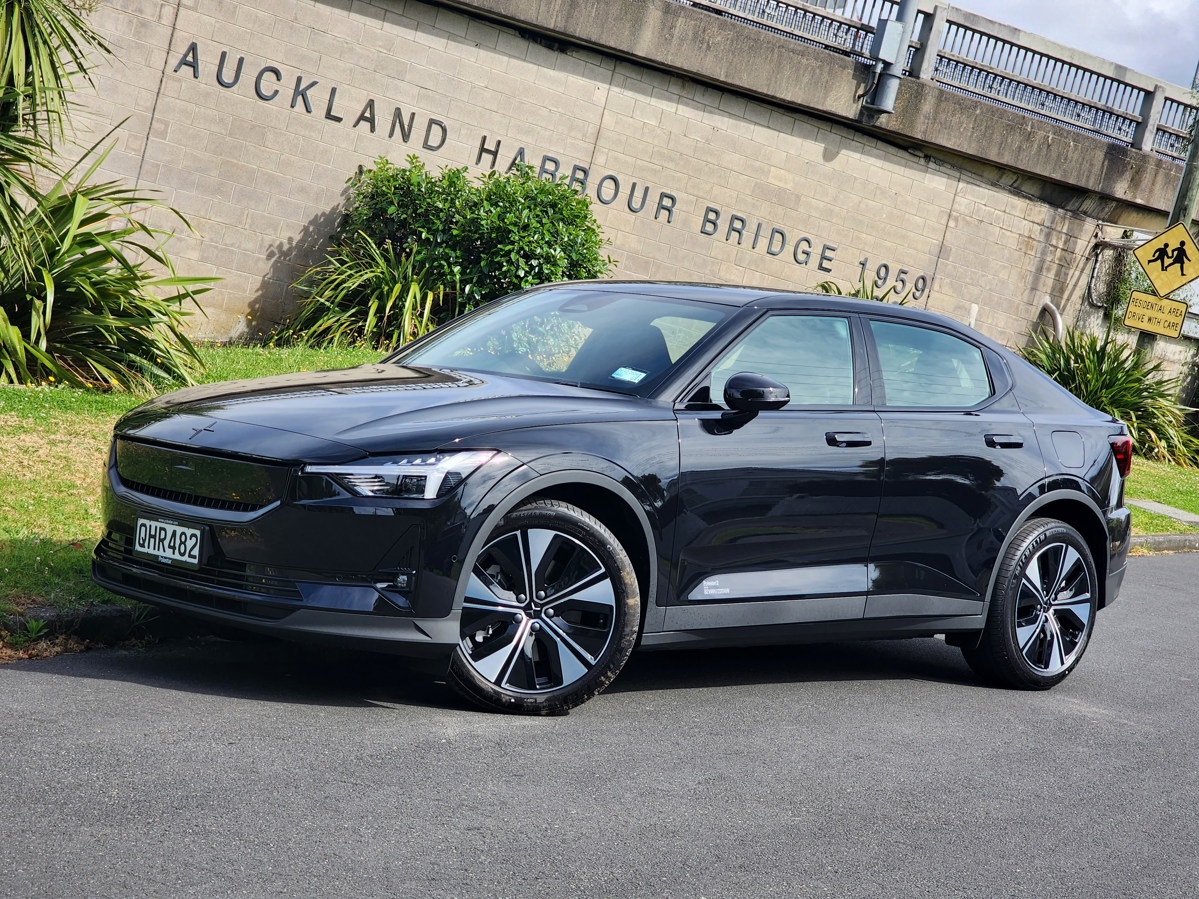
There have been some fascinating changes along the way - including a switch from FWD to RWD as part of a major model update.
4. BYD Sealion 7 (337)
Less a pure-electric alternative to the Sealion 6 PHEV (we'll talk about that one in a minute) and more an SUV version of the Seal sedan, the Sealion 7 impresses with its sharp looks and BYD's acknowledged expertise in battery technology.
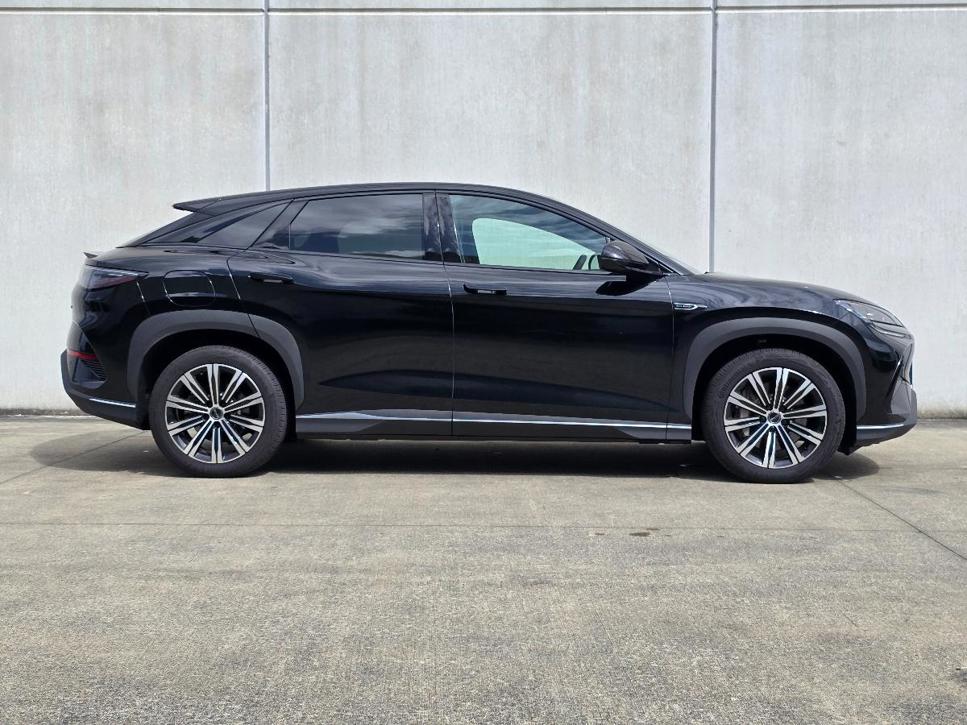
You can have it as a rear-drive model (we had one on extended test last year) or a fast AWD dual-motor. We actually reckon the former is the better and more appealing package.
5. Tesla Model 3 (308)
Put the Model Y and Model 3 together and it's obvious that Tesla is doing some heavy lifting in the Kiwi BEV market.
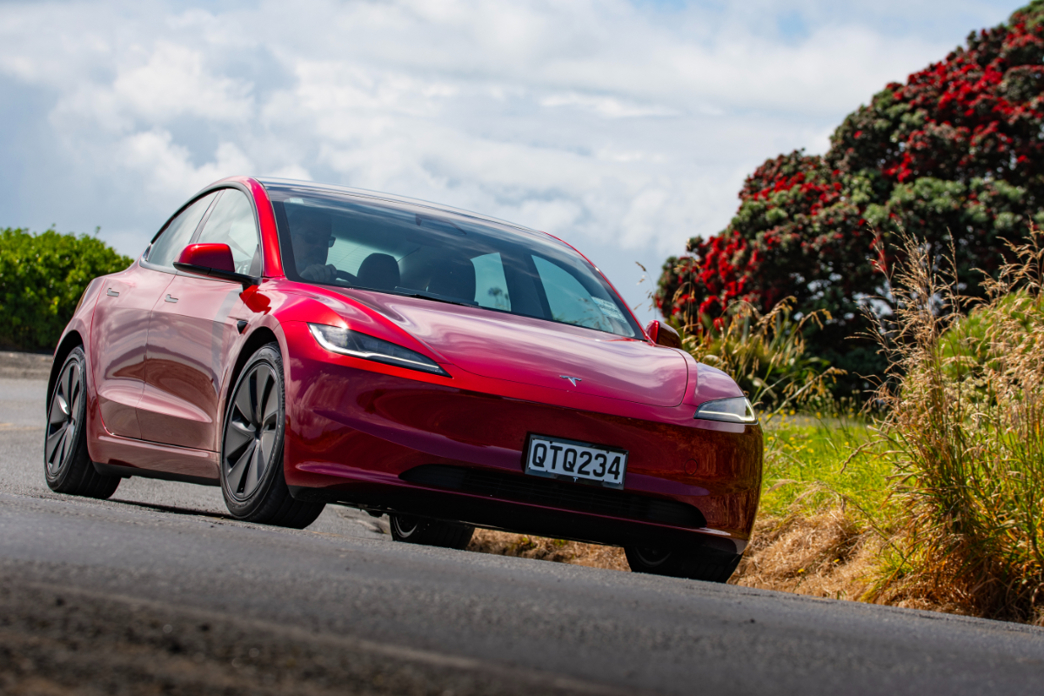
We're pretty keen on the revised Model 3 sedan for similar reasons to the Model Y. Which makes sense, because they're similar vehicles. It was our Top Passenger model in the DRIVEN Car Guide Car of the Year 2025 and even made it through to the top 3 overall (but no, it didn't win).
The top PHEVs in NZ for 2025
1. BYD Sealion 6 (715 sales)
The Sealion 6 has already earned its place in the DRIVEN Car Guide hall of fame by claiming our overall Car of the Year win back in 2024.
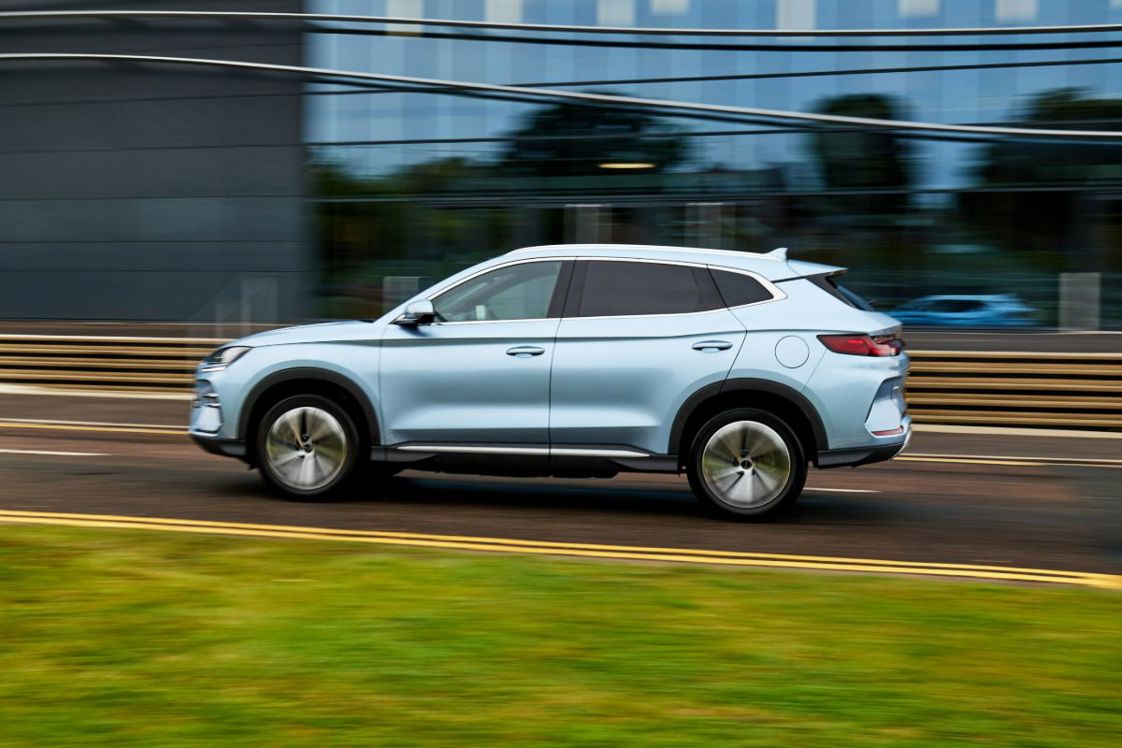
It was the vehicle that introduced Kiwis to the concept of "super hybrid" technology and now comes in a variety of models, with a choice of battery sizes and FWD or AWD. Although even the entry-level model boasts 92km EV range and 1100km on a full tank/charge.
2. Mitsubishi Outlander (606)
The Outlander is the SUV that taught Kiwis what plug-in hybrid technology was all about when it was launched way back in 2014, and despite a major move upmarket in 2022, it remains something of flag-bearer for the technology.
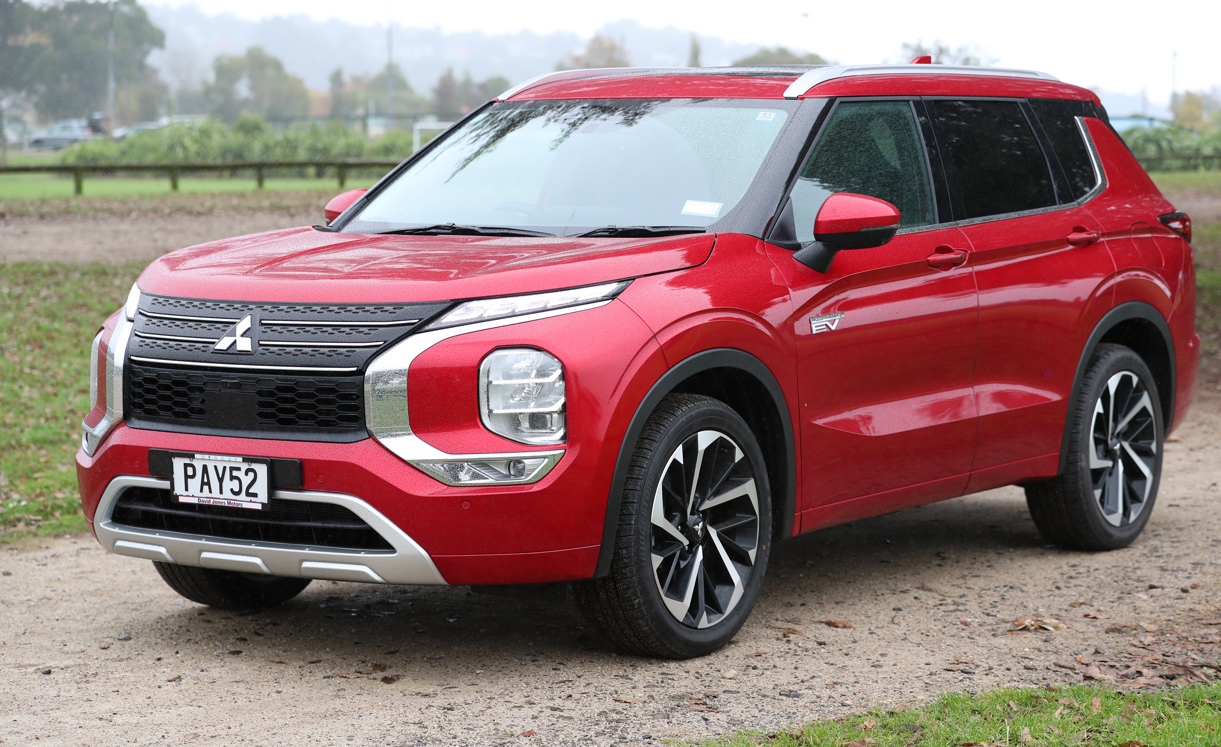
Despite increasing competiion from new Chinese brands and super hybrid technology, the Outlander also held its own in sales volume last year.
3. GWM Haval H6 (379)
GWM's Haval H6 continues to evolves in impressive ways, from a fairly modest start. Not only in terms of powertrain technology, but with Australian-led development in steering, ride and handling.
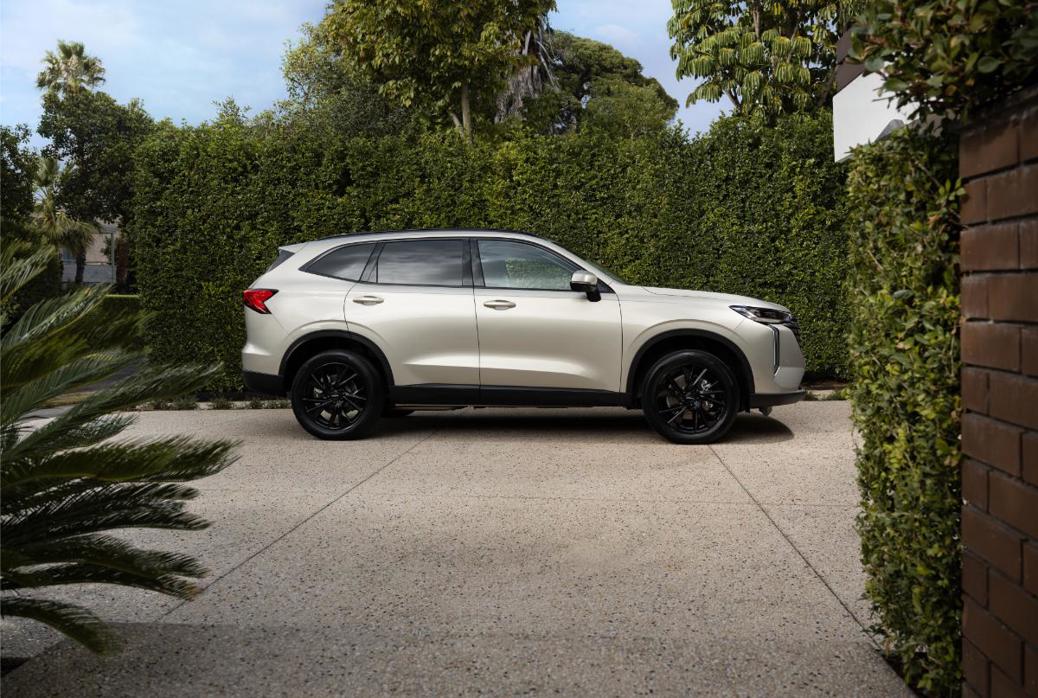
PHEV tech allows the H6 to be everything from an eco-family-car to high-performance SUV in the GT version.
4. MG HS (368)
The original HS PHEV was one of NZ's cheapest plug-in hybrids at launch. The all-new model has stepped up significantly in style and technology, with a super hybrid powertrain that gives up to 120km electric driving.
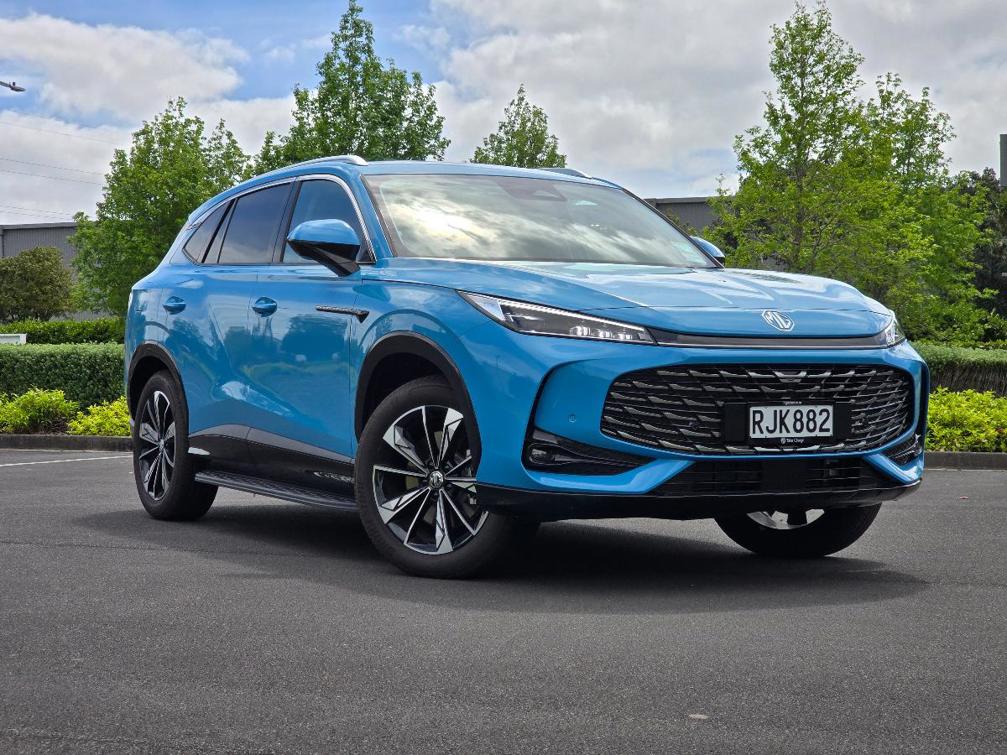
The HS Super Hybrid comes in two different trim levels, Excite and Essence. Not to be confused with the Hybrid+ versions of the HS, which are the non-plug-in kind. MG offers a lot of petrol-electric choice.
5. Jaecoo J7 (331)
Jaecoo is Chery's SUV-themed brand, with chunkier styling than Omoda and better ground clearance. Some versions of the J7 even have pretty decent 4x4 ability.
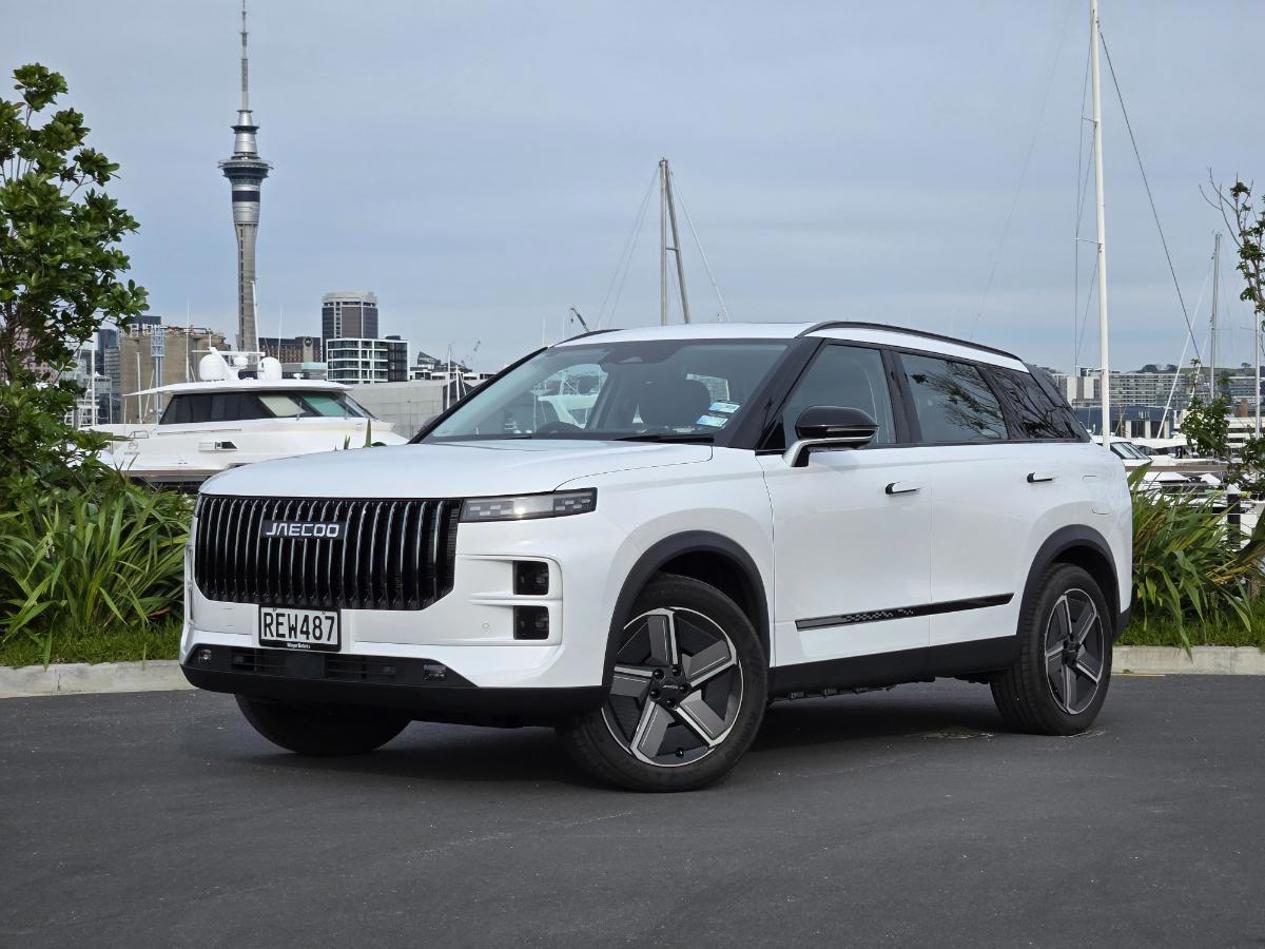
Not the J7 SHS (super hybrid system), though, which is currently FWD only. But what it does have is a large battery that liberates 90km of electric driving and interior design details that are much more EV-themed than the conventional J7 models, even though they look the same on the outside.