



Gravel roads can be brilliant. They take you to beaches, baches, farms, trailheads and quiet corners where the tarmac gives up and the good stuff begins. They can also turn a perfectly calm driver into someone gripping the wheel like it owes them money.
The trick is not to treat gravel as “normal road, but dustier”. It behaves differently. Your tyres have less bite, braking distances stretch out, and every steering or throttle input matters more. Drive smoothly and the car will usually look after you. Drive like you are late for a ferry and gravel will quickly remind you who is boss. That said, here are some tips for driving safely on gravel roads.
Slow in, smooth out
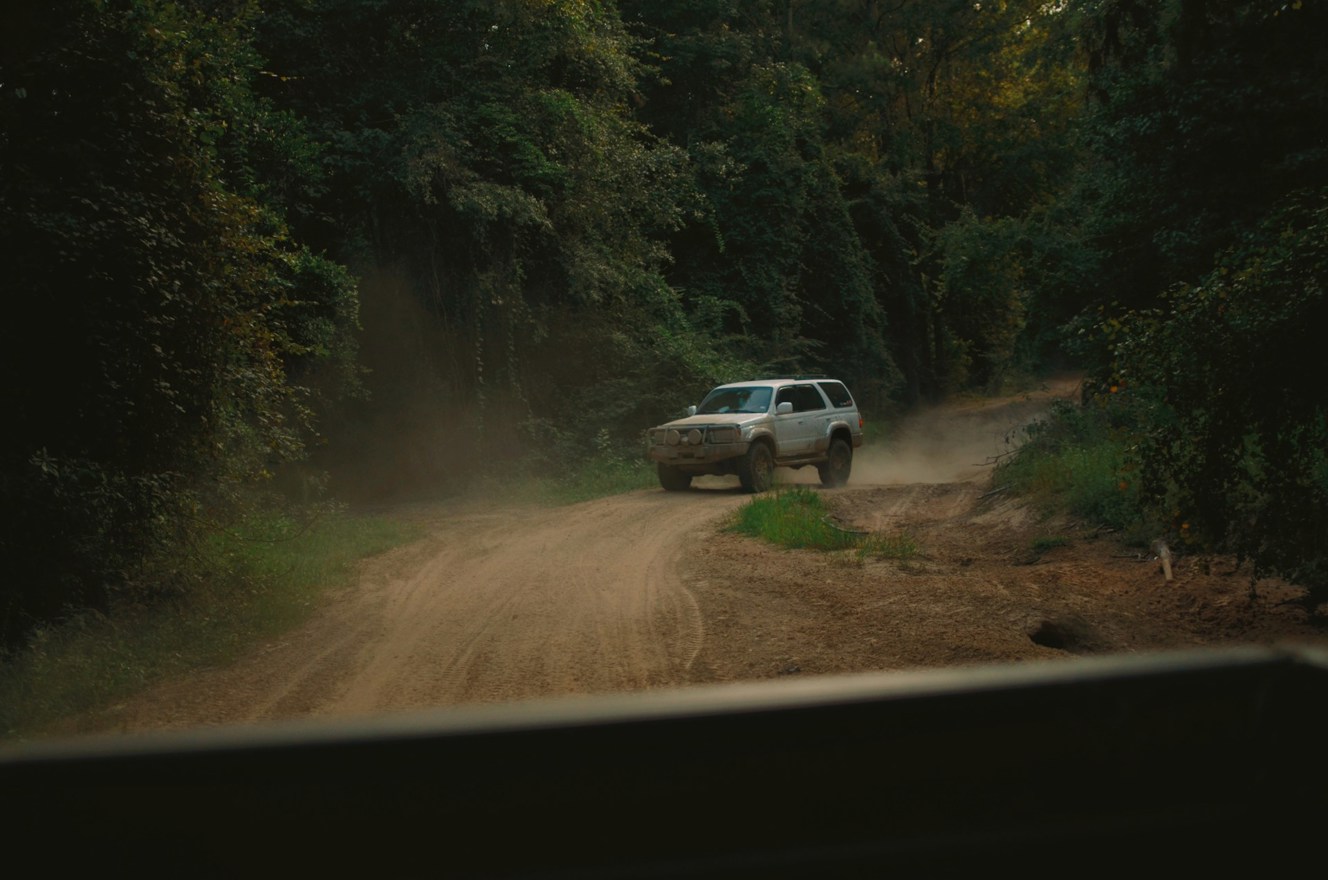
The best gravel-road advice is painfully simple: slow down before trouble, not during it. Corners, crests, cattle stops, one-lane bridges and patches of loose stone all need a calmer approach.
Brake in a straight line before the corner, then ease off and steer gently through it. If you brake hard while turning, the front tyres can skate across the loose surface instead of digging in. That is when the car runs wide and your tidy weekend drive becomes a tense little physics lesson.
Keep your hands relaxed but alert. Avoid sudden steering corrections unless you genuinely need them. Gravel rewards patience. A small, early input is better than a big, panicked one.
Leave a larger gap to the vehicle in front, too. Dust can hang in the air and hide potholes, animals, cyclists, washouts or oncoming traffic. It also gives stones more time to ping your bonnet and windscreen, which is another fine reason not to sit on someone’s bumper.
Let the car move a little
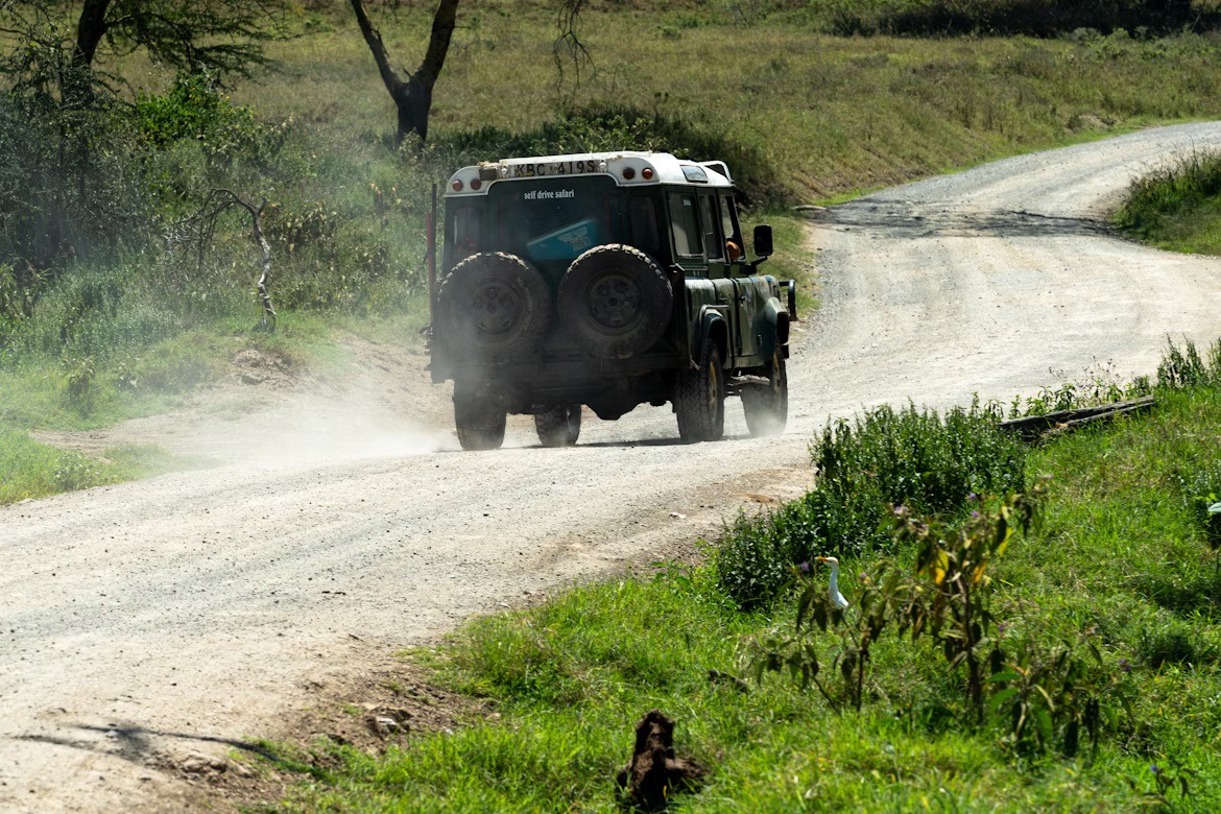
On gravel, a car may shift around under you. That does not always mean disaster is arriving. A little movement is normal, especially on looser sections or corrugations.
The key is not to overreact. If the rear of the car feels light, ease off the throttle and look where you want to go. Do not snap the wheel in the opposite direction unless the slide is becoming serious. Your eyes are more useful than your elbows here. Look at the safe path, not the ditch you would rather avoid.
If your vehicle has selectable drive modes, a gravel, dirt or off-road setting can help by softening throttle response and adjusting traction control. Use it if it is available, but do not treat it as a magic cloak. Electronics can help manage grip; they cannot cancel momentum.
Four-wheel drive and all-wheel drive also deserve a reality check. They can help you accelerate and maintain traction, but they do not dramatically shorten braking distances on loose surfaces. A heavy SUV still has to stop like everything else. Often, it has more mass to manage.
Watch for the surface changing under you
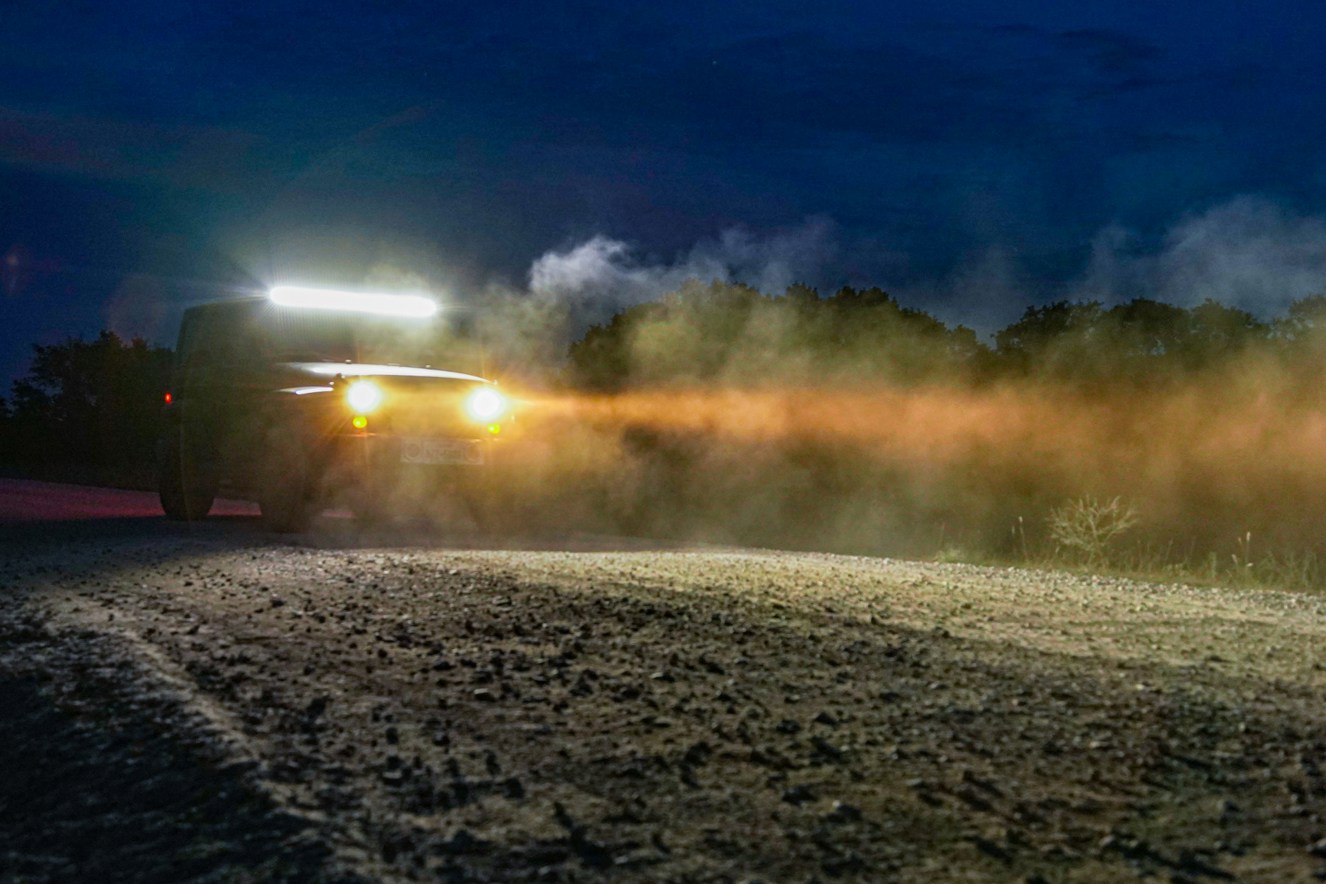
Not all gravel is the same. Freshly graded roads can be marbly and loose. Older tracks may have polished hardpack with slippery stones on top. Corrugations can make the tyres skip, while wet clay or mud can behave like soap with scenery.
Read the road as far ahead as you can. A change in colour or texture often means a change in grip. Darker patches may be damp. Pale, dusty sections may be loose. Ruts can pull the wheels around. Deep gravel near the edge of the road can grab at the tyres if you drift wide.
Stay away from the extreme edges where possible. Rural gravel roads often have soft shoulders, hidden drains or drop-offs. On narrow roads, keep left, but do not hug the edge so tightly that you run out of options.
Use headlights in dusty or shaded conditions, even during the day. You want to be seen by oncoming traffic before both drivers meet in a cloud of dust on a blind bend. Speaking of bends: assume there could be a ute, tractor, stock truck or tourist camper coming the other way. That assumption will save you more often than bravado will.
Look after the car before and after
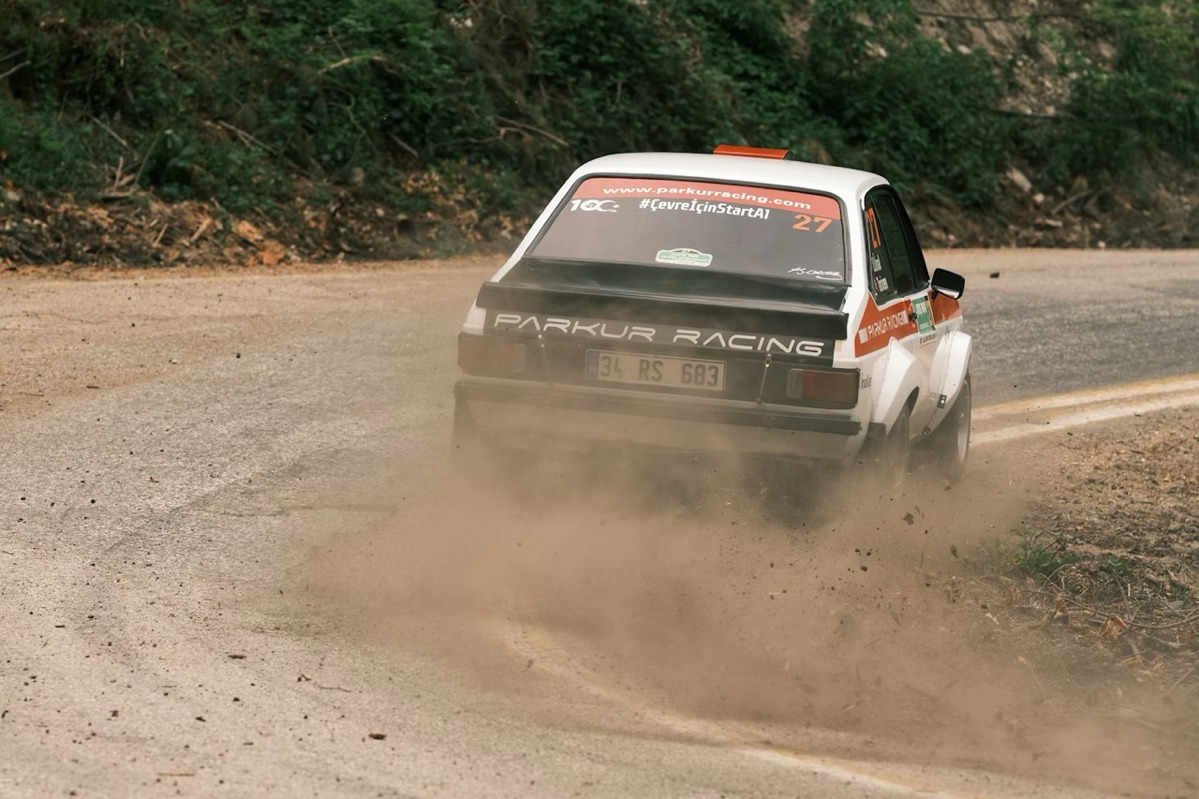
Tyres matter. Proper tread depth and correct pressures make a real difference on loose roads. Underinflated tyres can overheat or suffer sidewall damage; overinflated tyres may ride harshly and reduce grip. Check pressures when the tyres are cold, especially before a longer rural trip.
Carry a spare tyre or puncture repair kit you know how to use. Gravel can be hard on rubber, and a can of sealant buried under luggage is less useful if you have never looked at it before.
After a long gravel run, give the car a quick check. Look for stones lodged in tyre tread, fresh chips in the windscreen, loose trim, or mud packed around wheel arches. If you have been through dust or water, keep an eye on braking feel for the next few stops.
Gravel driving is not about pretending you are on a rally stage. It is about rhythm, restraint and reading the road. Slow your inputs, lift your vision, leave more space and let the car settle. Do that, and those unsealed roads become less of a hazard and more of an invitation.