



Hills are where fuel economy goes to sulk. Even the most frugal hatchback can turn thirsty when gravity joins the trip, and the usual “just drive gently” advice only gets you so far. The trick is not to attack every climb, nor to tiptoe up it so slowly that everyone behind you starts planning a hostile takeover.
Good uphill driving is about momentum, smooth inputs and knowing when your car is working harder than it needs to. Do that well and you will save fuel, reduce wear and still keep the journey flowing.
Build speed before the hill, not on it
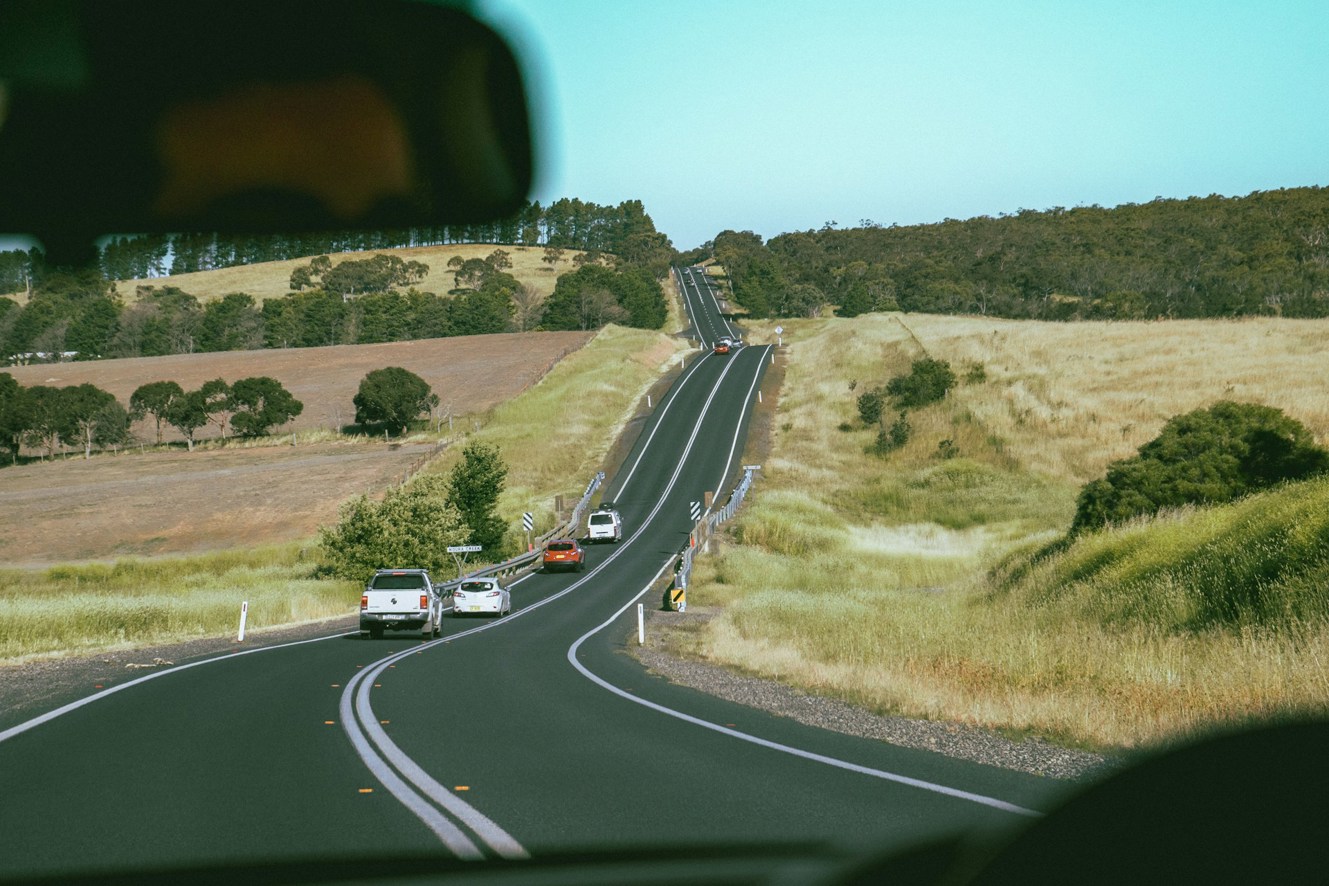
The cheapest energy is the energy you already have. If you can see a climb coming, let the car gather a little speed on the flat or gentle approach, within the limit and road conditions. That way, you are using momentum to carry you into the hill rather than asking the engine to do all the heavy lifting once the gradient bites.
This does not mean charging at the slope like you are qualifying at Bathurst. It means avoiding the common mistake of arriving at the base of the hill too slowly, then burying the accelerator halfway up. Hard throttle under load is where fuel use spikes.
A steady build before the climb is kinder to the engine and usually more economical than a late, panicked shove from your right foot.
Keep the throttle steady and let speed vary slightly
On a hill, trying to hold exactly the same speed at all costs can waste fuel. If the climb is long or steep, it is often more efficient to accept a small drop in speed rather than forcing the car to maintain the number on the speedometer with heavy throttle.
The key word is small. Letting your speed bleed away too much can create another problem: you lose momentum, then need even more fuel to recover it. Aim for a calm, steady throttle position and let the car settle into a sensible pace.
Think of it like cycling. You do not sprint up every incline just to prove a point. You find a rhythm, keep the effort smooth and avoid burning matches early.
Use the right gear, not the highest gear
Many drivers assume the highest gear is always the most economical. On flat roads, that is often true. Uphill, not always.
If your engine is labouring, vibrating or refusing to respond cleanly, you are probably in too high a gear. That can make the engine work inefficiently, especially in a manual. In that situation, changing down earlier can save fuel because the engine moves back into a more useful part of its rev range.
For automatic drivers, avoid stabbing the accelerator until the gearbox kicks down aggressively. Instead, feed in throttle smoothly. If your car has a manual mode or hill-friendly drive setting, use it when appropriate to stop the transmission hunting between gears.
A smaller engine, hybrid or turbocharged car may behave differently from a large diesel or SUV, but the principle is the same: do not make the engine lug. Smooth effort beats strained effort.
Avoid braking away your hard-earned momentum
One of the easiest ways to waste fuel on hilly roads is to follow too closely. If you are tucked up behind another vehicle, every small speed change becomes your problem. Brake, accelerate, brake, accelerate. That cycle is murder on economy.
Leave more space before and during a climb. It gives you room to keep rolling, which is far better than scrubbing off speed and asking the engine to win it back. This matters even more if you are driving a heavier vehicle, carrying passengers or towing.
Momentum is your friend uphill. Your brake pedal is often the receipt for fuel you have already spent.
Lighten the load and reduce drag
Weight matters more on climbs than it does on easy cruising. A boot full of forgotten gear, roof racks left on after the weekend, or a roof box used as permanent decoration all make the car work harder uphill.
Before a longer trip, remove what you do not need. Take off roof racks when they are not in use. Check tyre pressures too, because soft tyres add rolling resistance and can make the engine work harder everywhere, not just on hills.
None of this is glamorous, but it works. Fuel saving is often less about heroic driving technique and more about not making the car drag half your garage up the road.
Plan the climb, then cash in on the descent
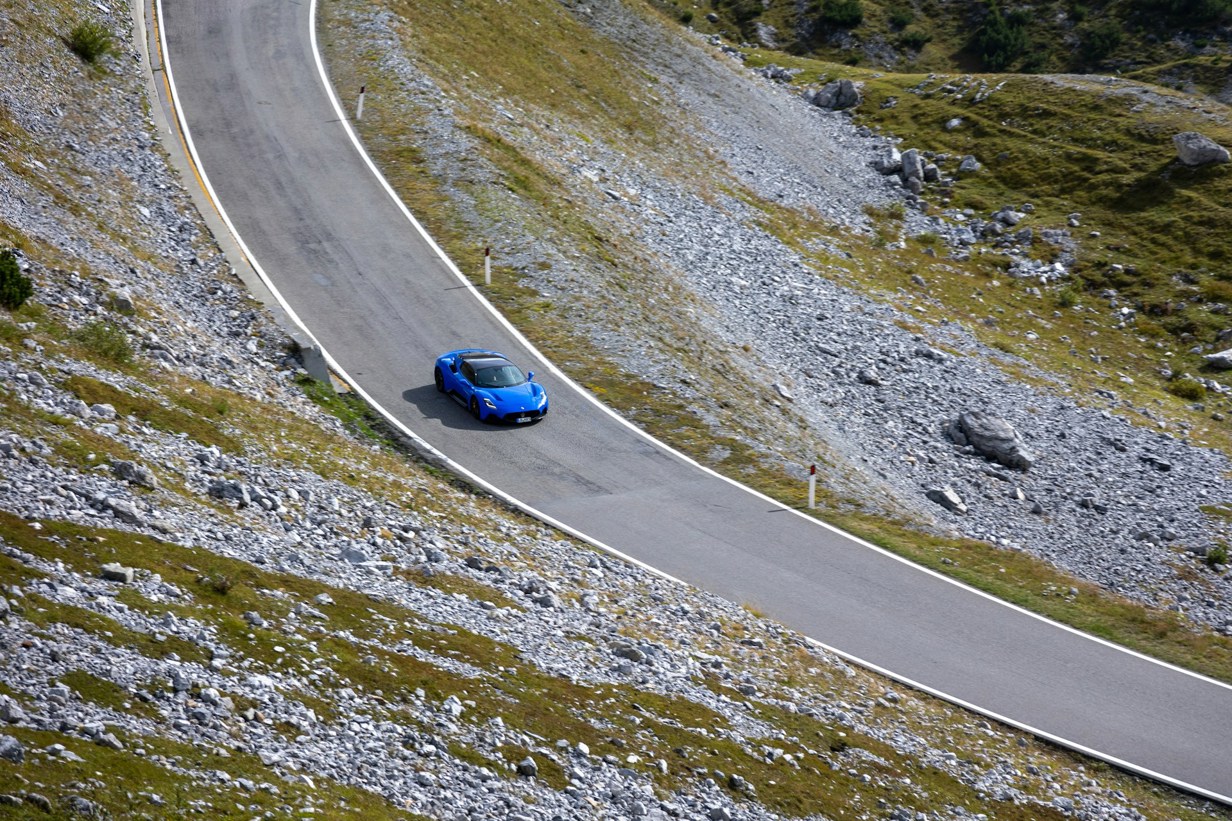
Good uphill economy starts before the hill and continues after it. If the road opens out after the crest, ease off early rather than accelerating right to the top. Many drivers keep feeding in power until the road finally levels, then lift off too late. That last bit of throttle often buys very little.
Once over the top, let gravity help where safe. In a modern car, easing off the accelerator on descents can use little or no fuel, depending on the vehicle. Keep the car under control, of course, and use engine braking where needed rather than riding the brakes.
The best uphill drivers look ahead, keep the car flowing and avoid drama. They are not the slowest people on the road. They are just the ones who understand that fuel economy is won with patience, anticipation and a right foot that does not treat every hill like a personal insult.