Presented by Radio Hauraki
We're on a mission to find the Car of the Decade and we want your help. Vote for the best cars of the last 10 years and you'll be in to win $2500 for fuel or EV charging.
We've selected finalists in nine categories: Ute, Game Changer, Family SUV, Hybrid/EV, Aussie Big Six, Sports/Performance, Urban, Luxury and... Dud of the Decade.
If you want to read more about the finalists in any of those categories, click on the relevant blue words above. If you want to go straight to the voting page and have your say, you can do that here.
But right now, let's take a look at the worst rather than the best: Dud of the Decade.
Tesla Model S (facelift, 2017-23)
No question that the Tesla Model S was a hugely influential car across the industry in terms of its electric tech and everything-in-the-touch-screen interior ergonomics. It arrived in NZ in facelift form in 2017… overhyped and over here.
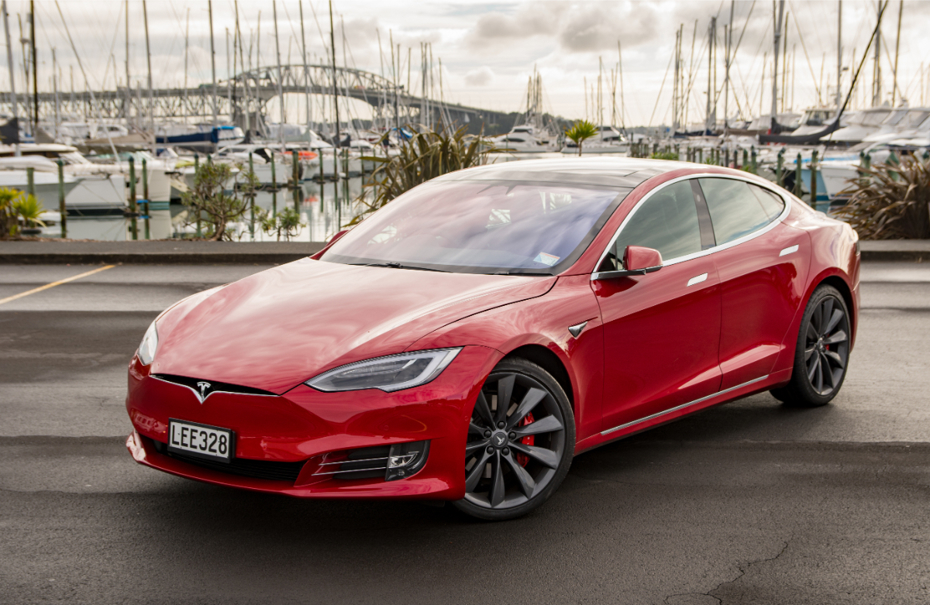
The hero P100D was fast in a straight line, but when we drove it on some proper Kiwi backroads the motors/batteries overheated and it needed a 30-minute rest before it would go again. Build quality was pretty ordinary for a so-called premium car.
Things got better very quickly with Model 3 and Model Y. They needed to.
Also, turns out everything in a touch screen is actually really annoying and merely a cheaper way to handle important cabin functions. See what you started, Model S?
Mitsubishi Mirage (sixth-generation, 2012-24)
Mirage is a storied model name in NZ: very much in a favourite in the 1980s, and at times the country’s top-selling new car. Panther, Geneva… look ’em up, kids.
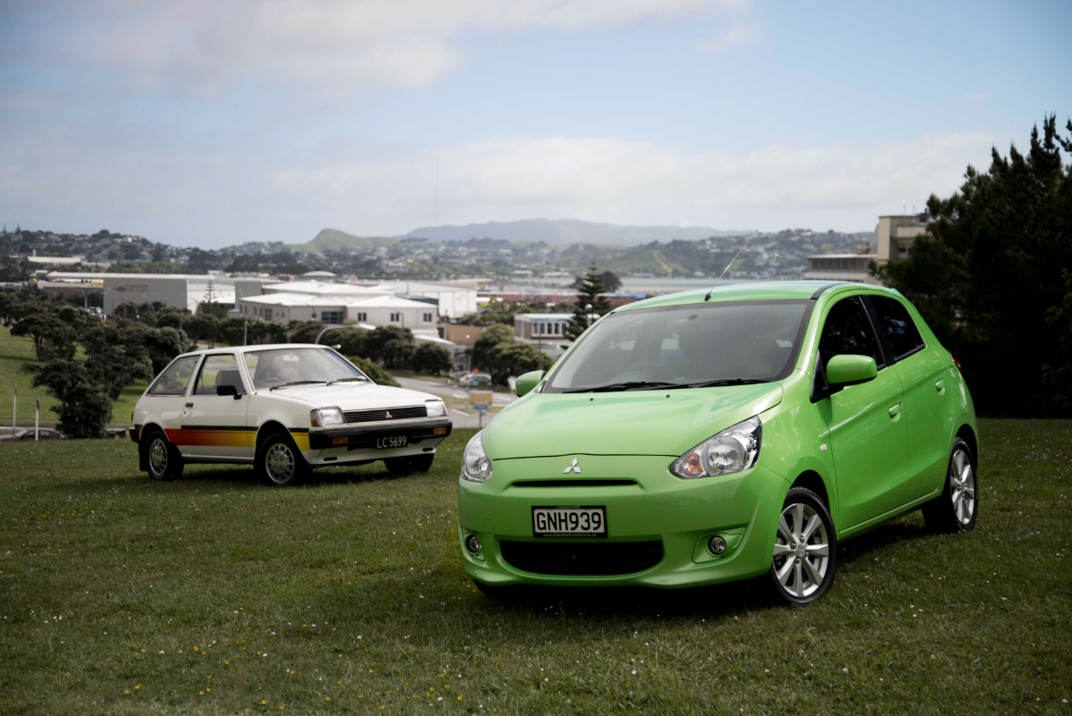
The Thai-built sixth-gen model launched in 2012 was supposed to be a return to the concept of a small and simple Mirage, and it kind of was.
But it was always more cheap than cheerful and as time wore on, it looked pretty sad next to the new generation of budget cars that arrived. It also hung around way too long.
Mercedes-AMG C 63 E Performance four-cylinder (2023-26)
The Mercedes-AMG C 63 and the V8 engine go together like an expensive German car and a lot of noise. When the company dropped the eight in favour of a four-cylinder plug-in hybrid for the C 63 in 2023, hard-core fans were furious.
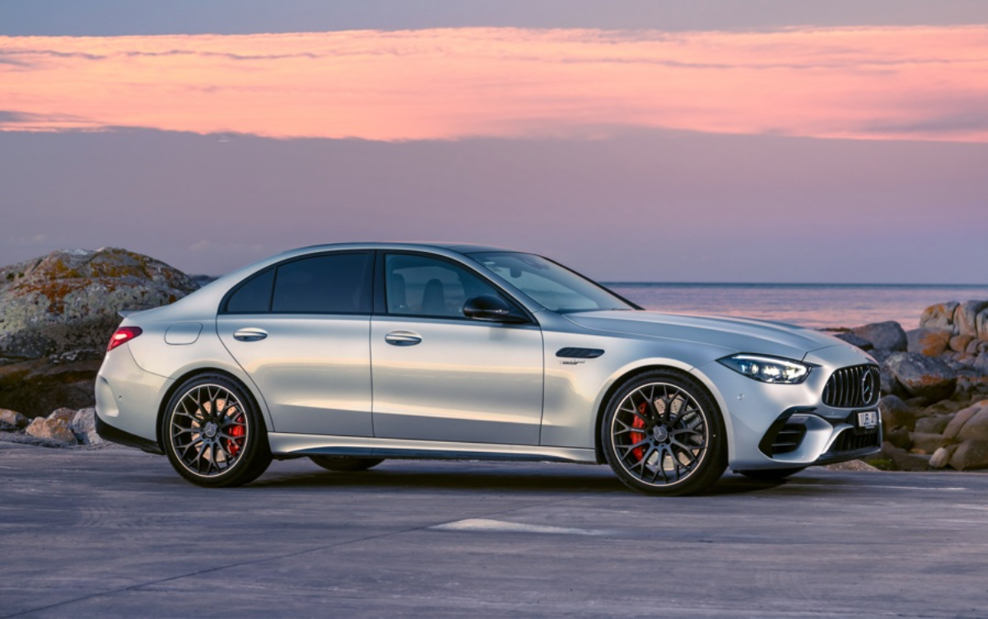
It was actually a magnificent thing and Mercedes-AMG was sure the new C 63’s outrageous power and technical excellence would win the doubters over. It could not have been more wrong.
The C 63 is being discontinued and something with more cylinders will replace it. Oops.
Maserati Levante (2016-24)
Premium-brand large SUVs have been a big thing in modern times, and so many makers do them so well. No wonder Maserati wanted to get in on the action.
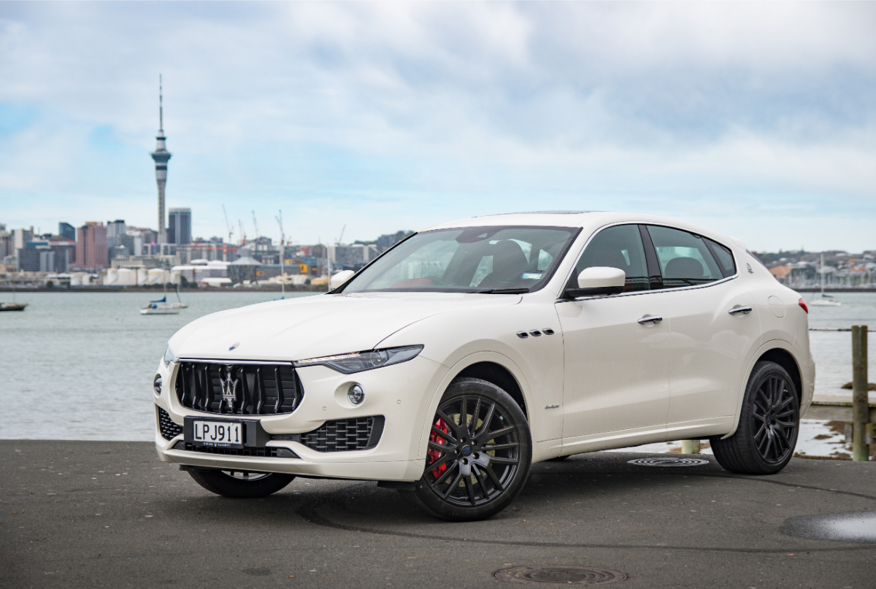
Maybe the initial intention to call it “Kubang” distracted the development team, but the Levante never truly came together.
It looked pretty good on the outside (not outstanding like a Maserati should, though) and the engines had a whiff of Ferrari about them; but too many interior parts and systems were shared with sister brands like Chrysler/Jeep, and the model is legendary for expensive electrical and suspension issues.
HSV Sportscat (2018-20)
HSV people were very excited at the news that Holden's performance brand had developed a Colorado-based ute. HSV people were very disappointed when they found out it had fancy suspension and uprated brakes, but the same rattly diesel engine.
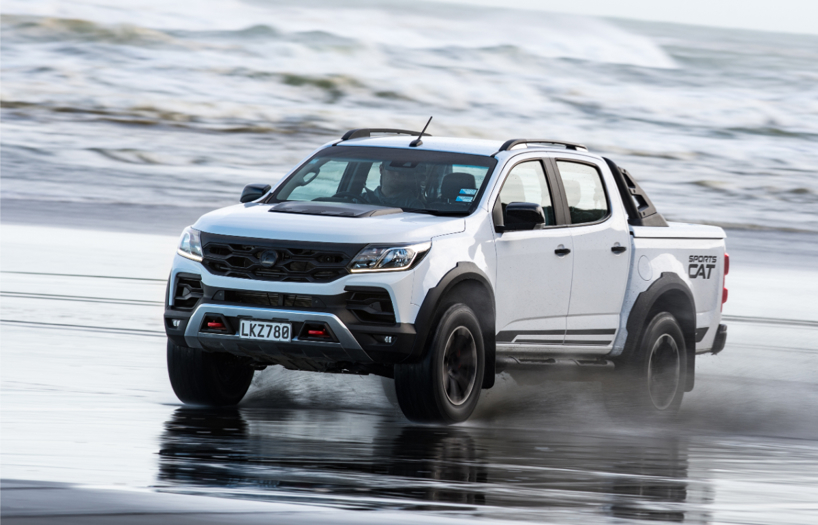
There was “no business case” for more power, said HSV... for the first time ever.
HSV did develop a prototype Sportscat with a V8 petrol powerplant; but almost immediately, Holden shut up shop for good and that was that.
The last Holden-based HSV ever built was a four-cylinder Sportscat. What a slap in the face.
Holden Commodore ZB (2018-20)
We’ve suggested it might be the best Commodore ever sold in NZ in our Aussie Big Six category, but many will argue it’s also the worst.
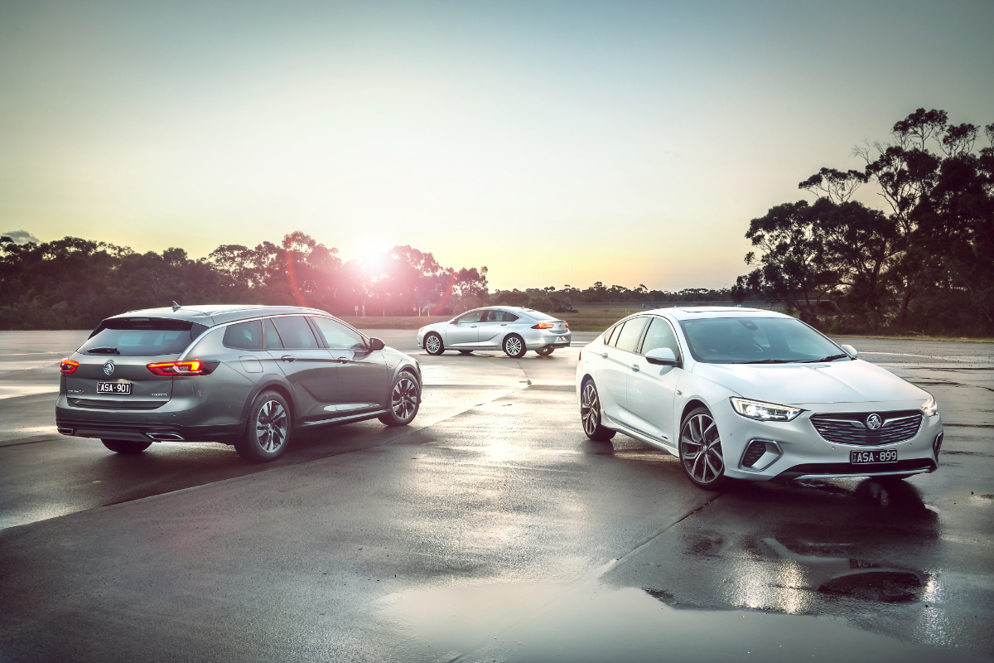
The European-designed and built ZB will forever carry the taint of being the only Commodore not built in Australia and the one that saw the proud Aussie brand through into oblivion.
Ford Escape (2020-26)
There was nothing fundamentally wrong with the fourth-gen Escape. It was decent to drive and even evolved into an electrified SUV later in life, with hybrid and PHEV versions on offer.
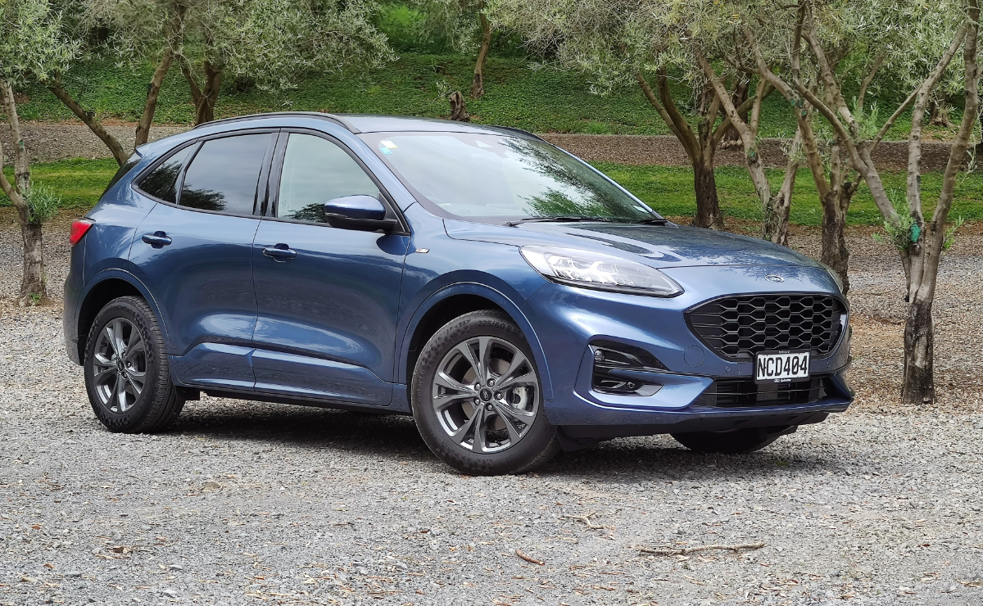
You’d think a medium-sized SUV (NZ’s most popular market segment) from a big-name brand with electrified engine options would be sales gold. But the underwhelming-looking, underwhelming-feeling Escape just didn’t fire.
Didn’t fire anywhere, really. It was dropped in Australia in 2023 and began a global phase-out in 2025. Its last days in NZ were marred by a recall around a fault in the PHEV system, which at least meant it could potentially fire after all… just not in a good way.
Ford’s Escape and Focus were named NZ’s least reliable cars this year by NZ Consumer.
BMW X6 (second-generation, 2014-19)
We’re not ones to judge. If people want cars in strange shapes, that’s all good. But coupe-style SUVs are still hard to get a mental grip on. Especially really expensive ones.
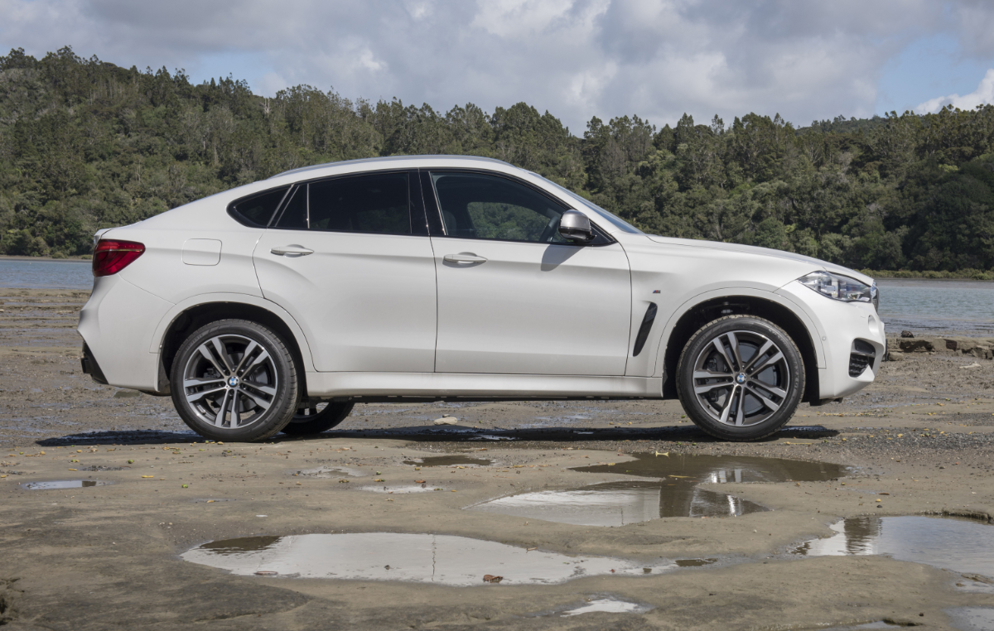
The BMW X6 was not the first SUV to adopt this design, but you could certainly accuse it of popularising the SUV-coupe thing in the premium space. And now they’re everywhere.
The first X6 was launched back in 2008, and BMW even came up with a stupid initialisation for it: SAC, or sports activity coupe. It was really quite popular (the car, not the SAC thing) and spawned this more pretentious second-gen version.
It’s still carrying on in a third generation and virtually every other luxury maker now has something similar. So what do we know?
Anything electric
Electric power is the future, no question. But it’s hard to swallow for many, and there are still people who love to hate EVs in all their forms. So here’s your chance.