


- Ford’s study of early Mustang Mach-Es found average battery health of 92% after roughly five years.
- The manufacturer analysed connected-vehicle data from more than 36,000 vehicles in the United States and Canada.
- Among the cars studied, 95% retained between 87% and 97% of their original usable battery capacity.
Ford has checked the batteries in its earliest Mustang Mach-Es and found they retain an average of 92% of their original usable capacity after about five years of ownership.
The analysis covers more than 36,000 vehicles from the 2021 model year, sold to retail and fleet customers in the United States and Canada. Together, those cars have travelled about 3.2 billion kilometres.
Ford’s high-voltage battery technical leader, Kevin Vander Laan, outlined the findings in a report published on 9 November. Its connected-vehicle data was collected as of August 2026, when the average ownership period was 5.2 years.
The spread matters too
The average comes with a useful measure of variation: Ford says 95% of the cars had battery health between 87% and 97%. The figures describe usable battery capacity, rather than a direct measurement of driving range.
Higher-mileage cars also appear in the results. More than 2000 vehicles had passed approximately 161,000km on their original battery, averaging better than 91% health. A smaller group of more than thirty vehicles beyond roughly 322,000km averaged 88%.
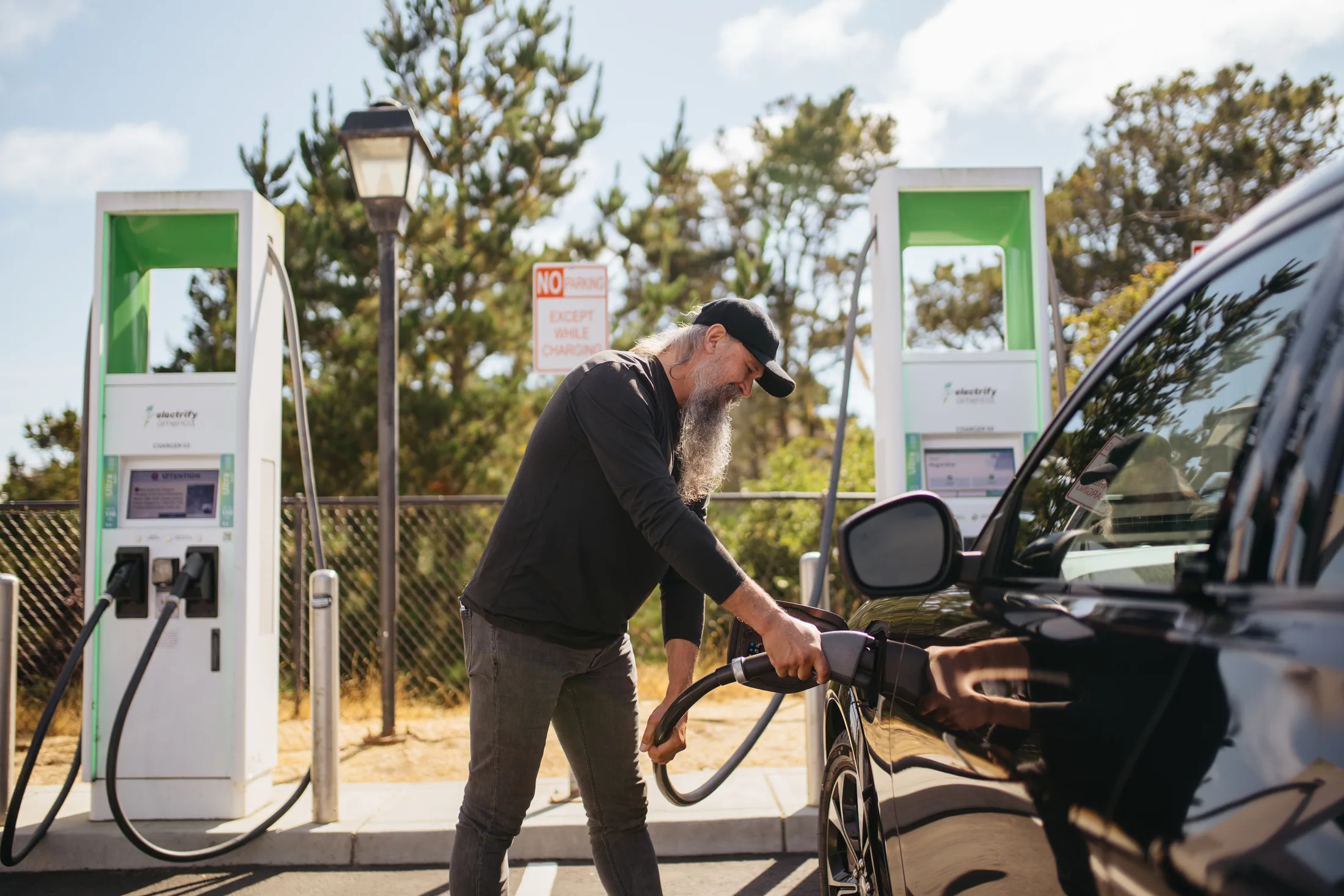
These are Ford’s own fleet findings, with results drawn from North American vehicles. Individual battery condition varies, and the average cannot predict the remaining capacity of a particular used car.
Ford also points to David Blenkle’s 2022 Mach-E, which has covered more than 644,000km on its original battery. His unusually high-mileage car is a separate example from the 2021 cohort.
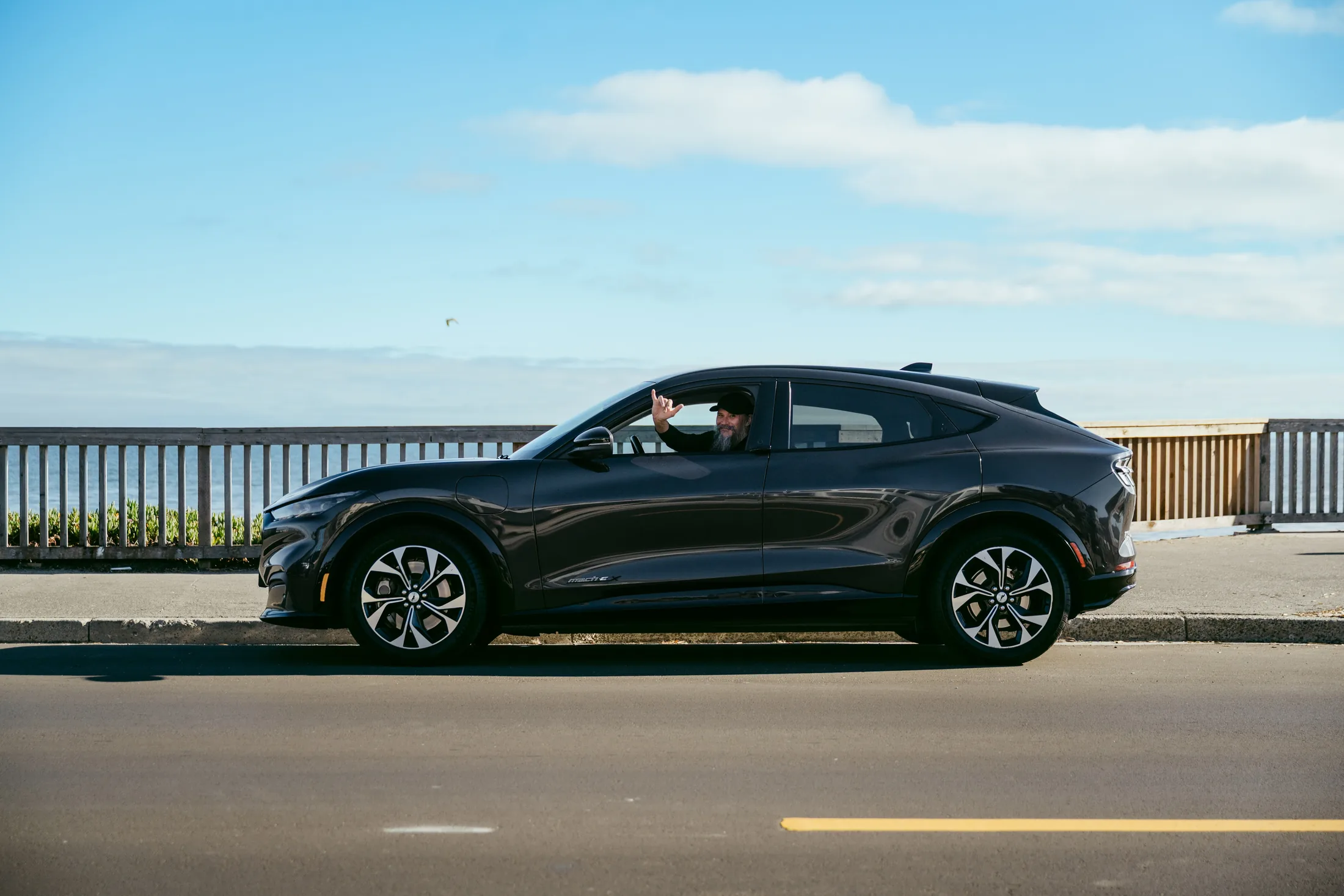
Charging advice depends on chemistry
The cars in the study use nickel-cobalt-manganese batteries. Ford recommends following the charging guidance for the specific vehicle, as some newer models use lithium-iron-phosphate chemistry with different requirements.
Its everyday advice includes using AC charging for routine needs, reserving DC fast charging for when it is needed, and preconditioning while plugged in. Ford says the information collected from existing cars also informs battery management and charging guidance for future vehicles.


