


- Ford has made more than 5000 large aluminium castings for Fathom development and prototype assembly.
- Two castings replace 146 structural components, with Ford claiming lower mass and improved energy efficiency.
- Each batch must complete dimensional, internal-defect and material tests before Ford approves shipment to Louisville.
Ford’s Fathom electric ute is taking shape in some very large pieces of aluminium. The company has produced more than 5000 structural castings at its Shelbyville Technical Center as it refines the manufacturing process ahead of the midsize truck’s planned 2027 launch.
The parts are being used to assemble prototypes at Ford’s Louisville Assembly Plant. The milestone counts individual castings, with the work covering both process testing and prototype construction.
From 146 parts to two
Fathom uses large castings for its front and rear structures. Together, the pair replaces 146 structural components, according to Ford, which says the approach reduces mass and improves energy efficiency.
The structures also form part of Ford’s Universal Production System. It divides assembly into three main branches, allowing separate sections of the vehicle to be built in parallel before they come together later in the process. Ford says it has engineered modular repairability into the design, although its latest manufacturing update gives no repair-cost figures.
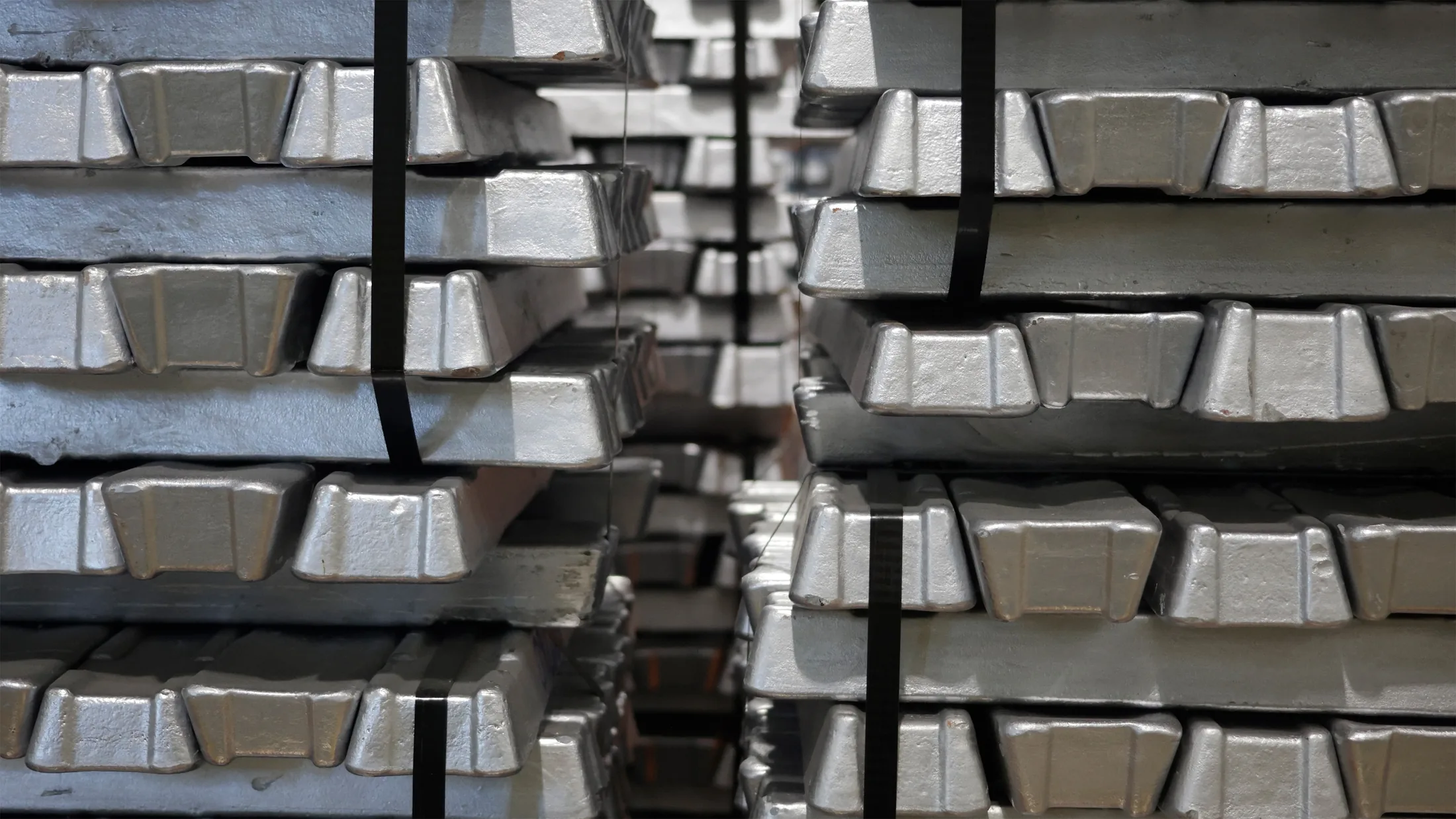
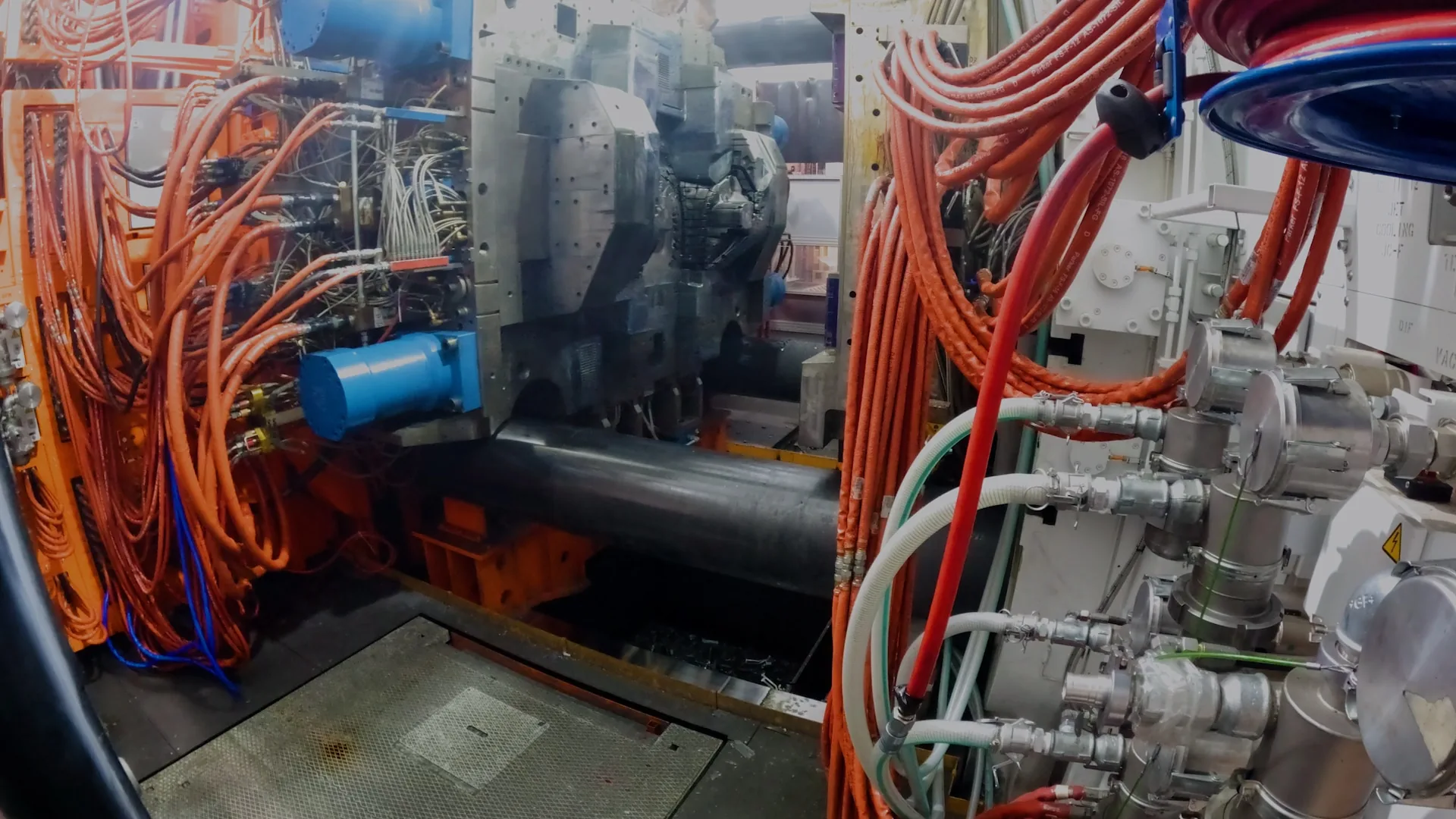
Chief engineer Vladimir Bogachuk’s account follows the metal from furnace to finished structure. Aluminium ingots melt at about 700°C before the liquid metal passes through a holding furnace and into the casting machine. A mould forms either the front or rear structure, then opens so a robot can remove the casting and lower it into a cooling tank.
Checking inside the metal
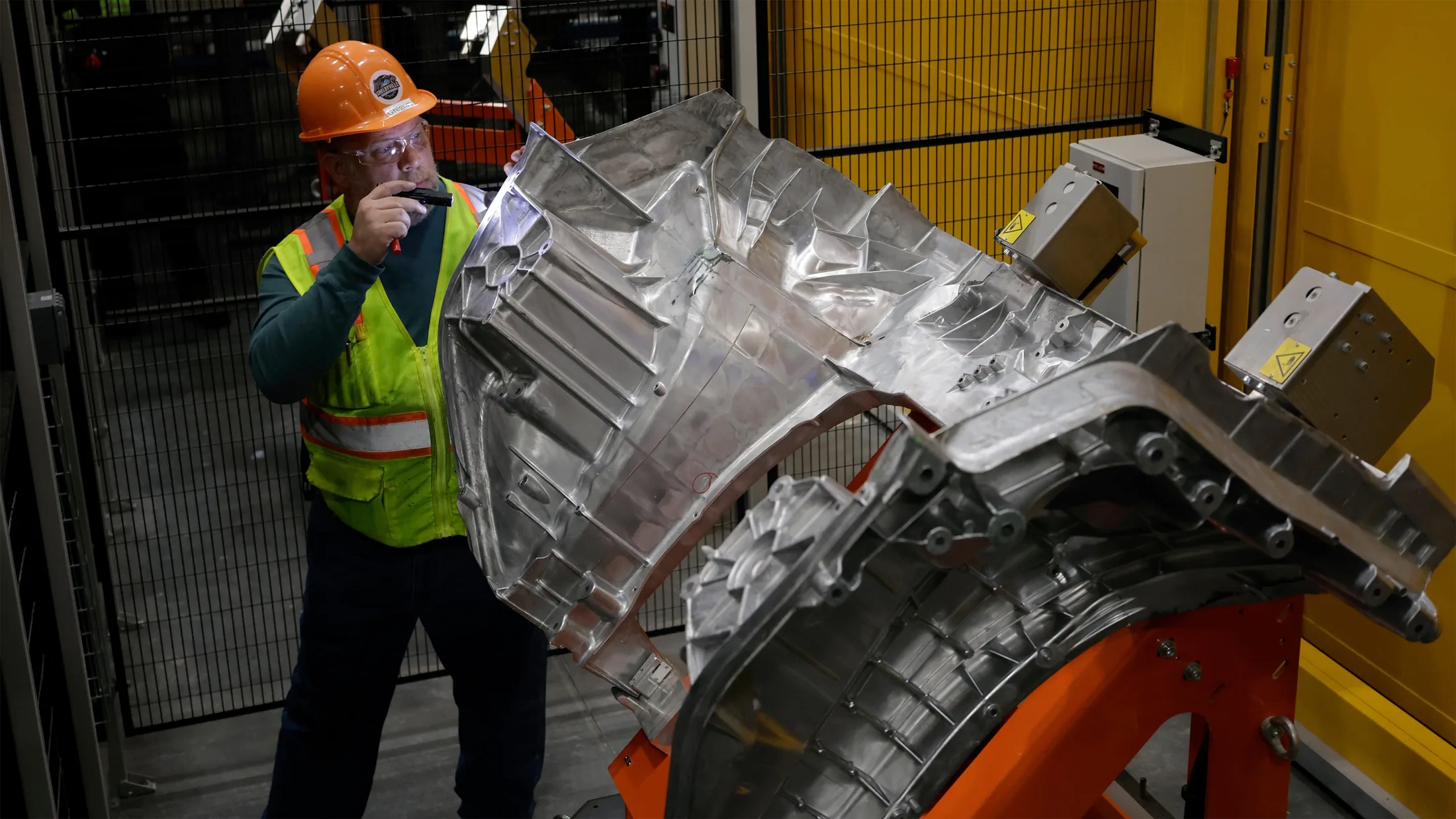
Trimming removes excess material, followed by an operator’s visual inspection. Machining and further checks then establish whether the castings meet Ford’s requirements.
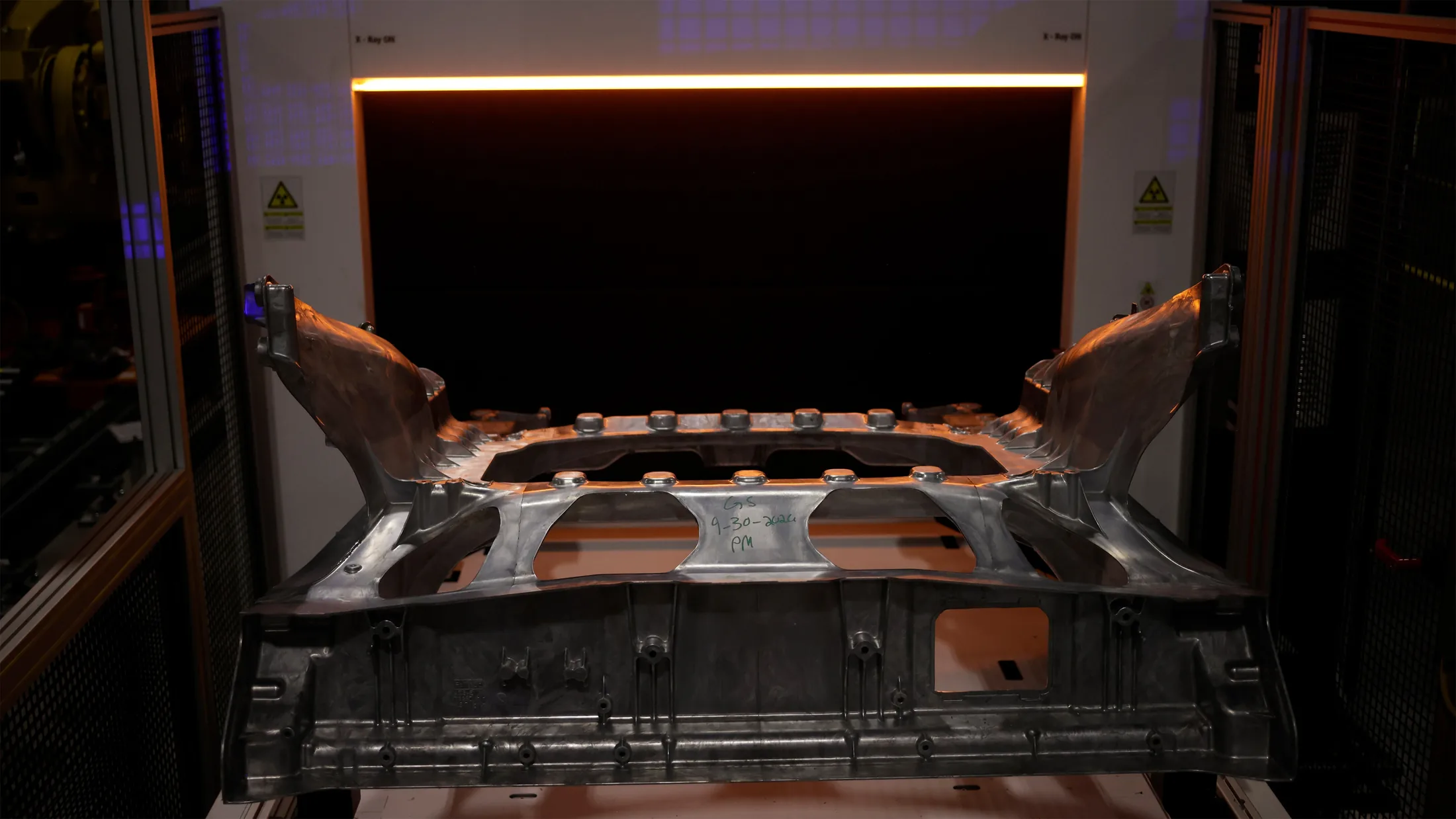
A coordinate measuring machine works in a climate-controlled room to check dimensions, hole positions and alignment. Industrial X-rays look for hidden pores or voids, while an optical scanner maps the surface. Material samples also undergo tensile testing for strength and separate checks of the alloy’s chemical composition.
Production batches remain on hold until the required inspections and tests are complete. Only then are the castings cleared for shipment to Louisville and the next stage of Fathom prototype assembly.


