


- Olto weighs 79kg and reaches up to 53km/h.
- A removable battery delivers up to 64km range.
- App controls, GPS tracking and NFC unlock push it beyond typical e-bikes.
There’s a new kind of urban transport emerging, and the Infinite Machine Olto sits right in the middle of it.
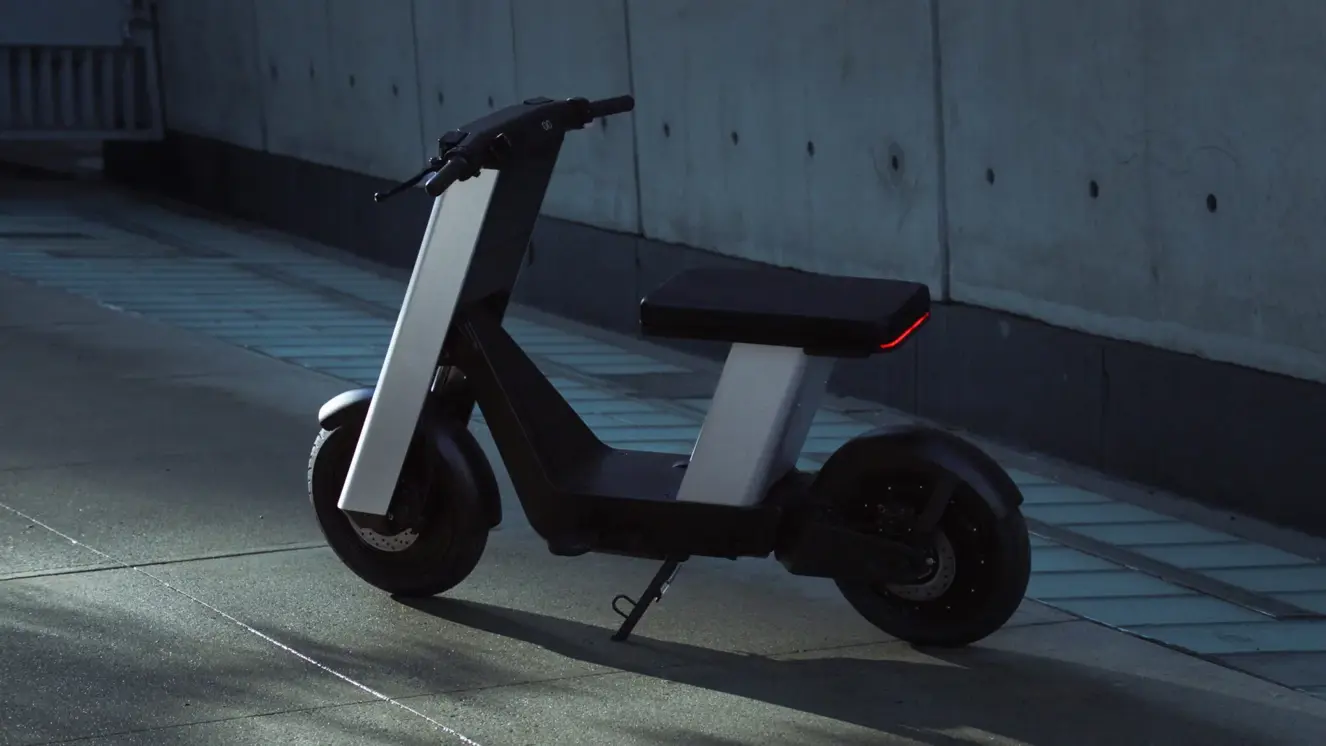
Officially, it’s classed as an e-bike. In reality, it behaves much more like a compact electric moped, packing performance and features that stretch the definition of what a bicycle is meant to be.
With a top speed of 53km/h and a kerb weight of around 79kg, it’s a long way from your typical pedal-powered commuter.
Speed when you want it
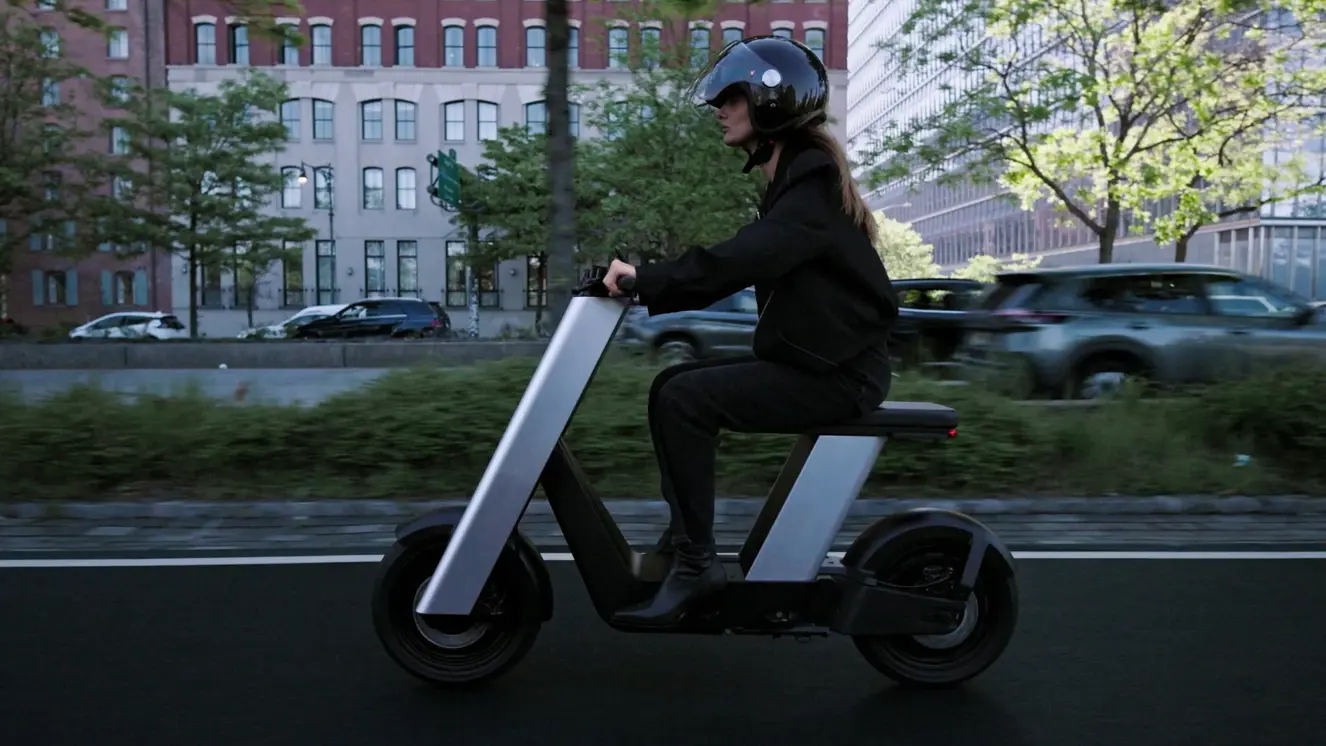
The Olto’s split personality is part of its appeal.
In standard Class 2 mode, it operates like a legal e-bike with a 32km/h cap and throttle control. Step up to Class 3 and it reaches 45km/h, though only with pedal assist. Switch to Off-Road mode and the limiter lifts entirely, unlocking the full 53km/h potential.
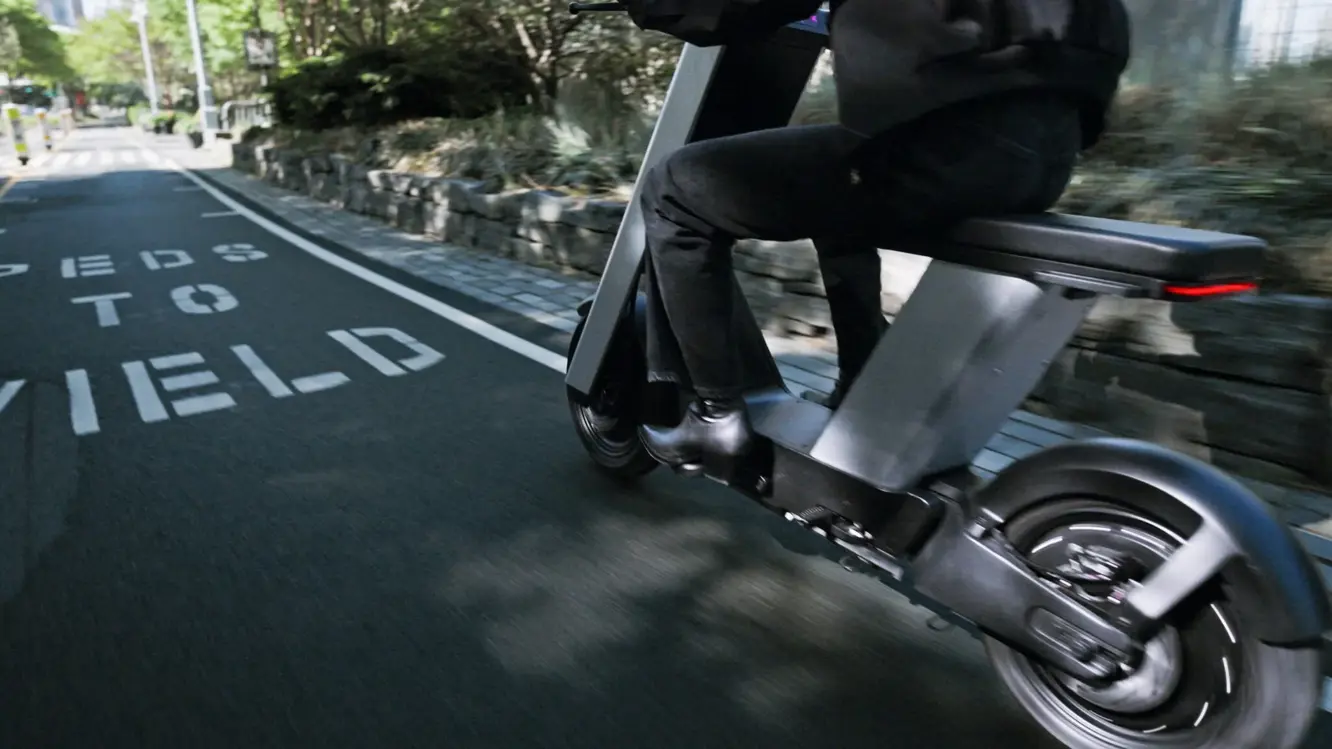
Power comes from a 2kW rear hub motor paired with a 48-volt system and a 25Ah removable battery. Range is quoted at up to 64km, enough for most daily commutes or quick urban errands.
There’s even an app that can adjust performance settings based on local regulations—something that hints at just how blurred the legal lines are here.
More tech than expected
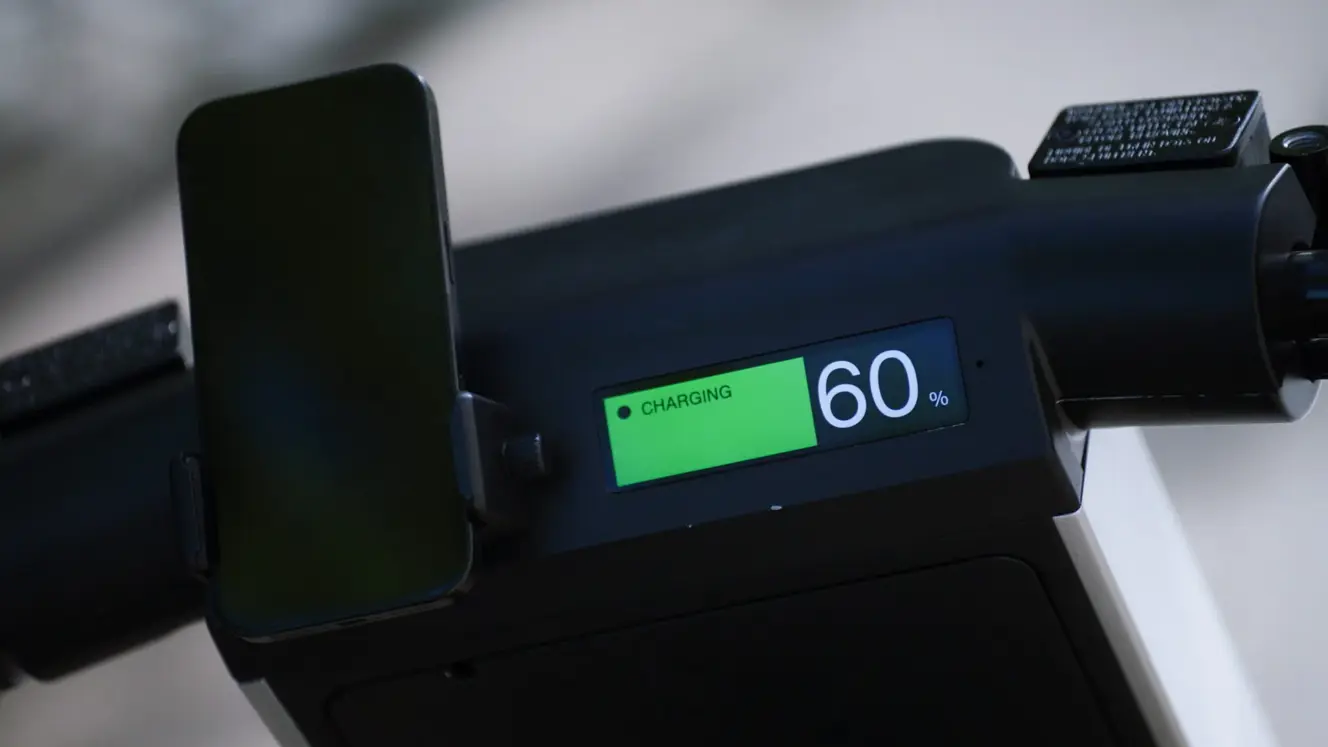
If the performance figures are surprising, the feature list is even more so.
The Olto comes with NFC unlocking, GPS tracking, anti-theft alerts, automatic steering lock and over-the-air (OTA) updates, which are features more commonly associated with cars than bicycles.
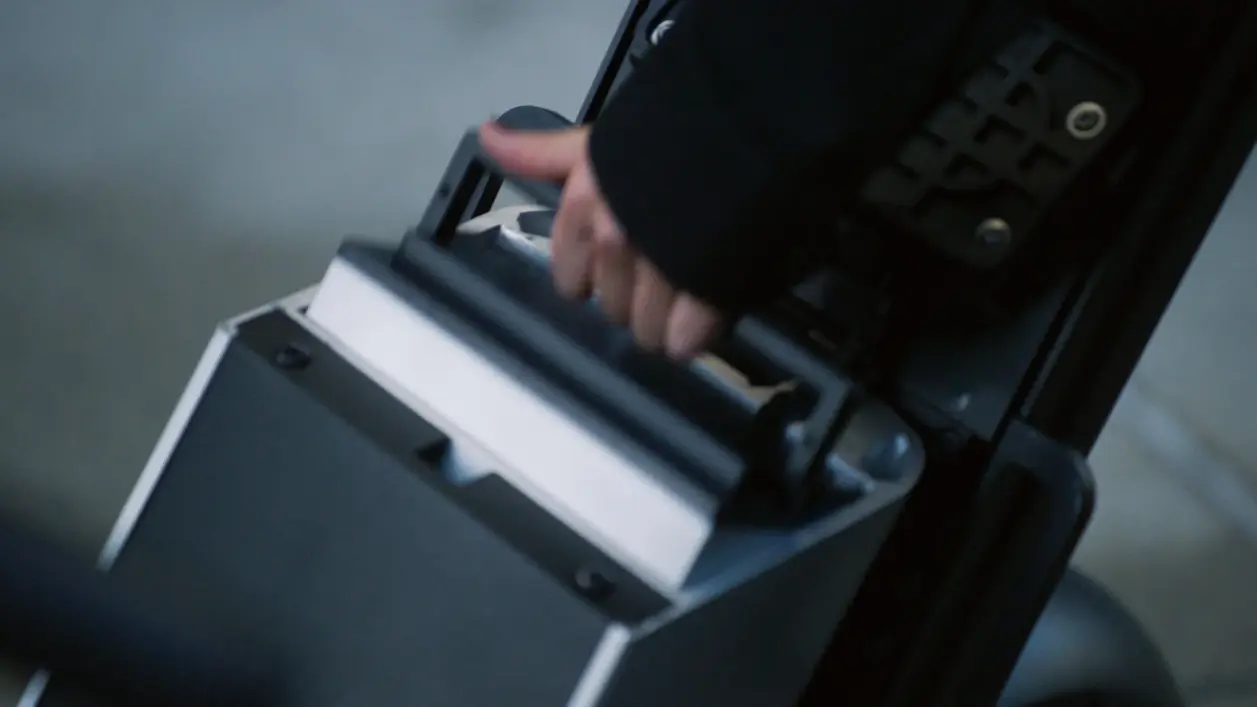
Its aluminium bodywork is weatherproof, meaning it’s designed to live outdoors, while the battery can be removed and charged inside.
There’s also a wide range of accessories, including storage bins, racks and even a child carrier, reinforcing its role as a practical urban runabout.
The catch? Classification

All of this creates a slightly awkward reality.
Because it’s sold as an e-bike, the Olto avoids the stricter regulations applied to mopeds or motorcycles, things like licensing, insurance and helmet requirements in some markets.
That loophole is likely what makes the product viable, but it also raises questions about how vehicles like this should be classified as they become more common.
A different kind of car alternative
Priced from around NZ$5,800 (converted), the Olto isn’t cheap for something with pedals.
But that’s not really the point.
For riders who genuinely want to replace short car trips with something smaller, simpler and electric, it offers a compelling mix of speed, range and practicality.
Just don’t expect to pedal it home if the battery runs flat.


