



- Peugeot's RCZ Vision is an electric four-seat concept with styling drawn from the original coupe.
- Peugeot claims up to 600km of range and a ten-minute charge from 10–80% for the concept.
- The Hypersquare steering control previews technology Peugeot intends to introduce in the next E-208.
Peugeot has brought the RCZ name back on an electric concept, pairing the old coupe's distinctive roofline with a solid-state battery and steering technology intended for a future road car.
The RCZ Vision recalls the original RCZ through its bubble roof and arches. Thin horizontal lights carry Peugeot's three-claw signature, while an active rear spoiler adds a moving element to the bodywork.
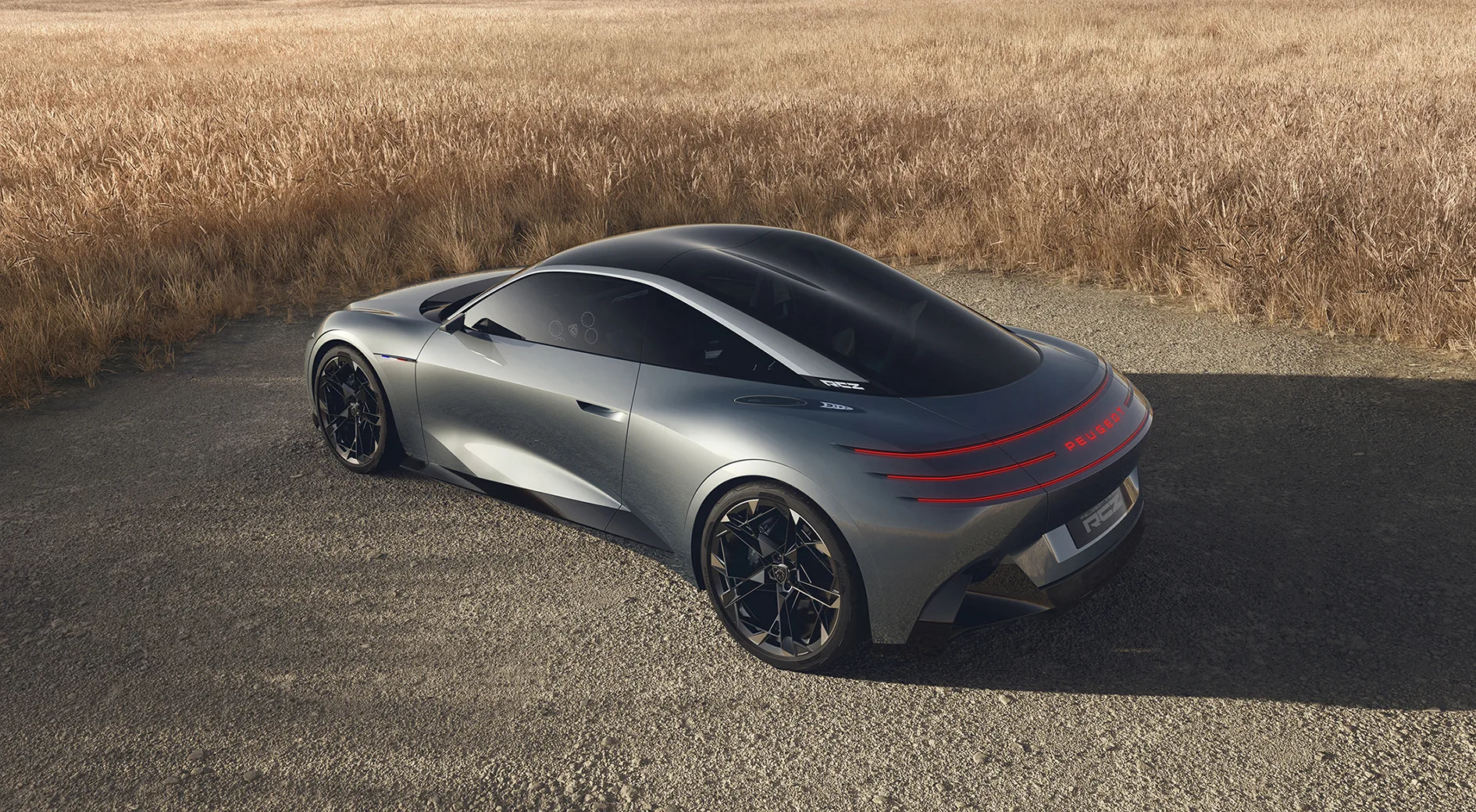
Peugeot has made no production commitment for the concept. Its RCZ revival nevertheless gives the brand a familiar shape in which to present some much less familiar hardware.
A battery beneath the nostalgia
The concept uses an architecture based on STLA One and a Factorial Energy solid-state battery measuring 110mm thick.
Peugeot claims approximately 373kW of power, up to 600km of range and charging from 10–80% in ten minutes, supported by a 1000V electrical system.
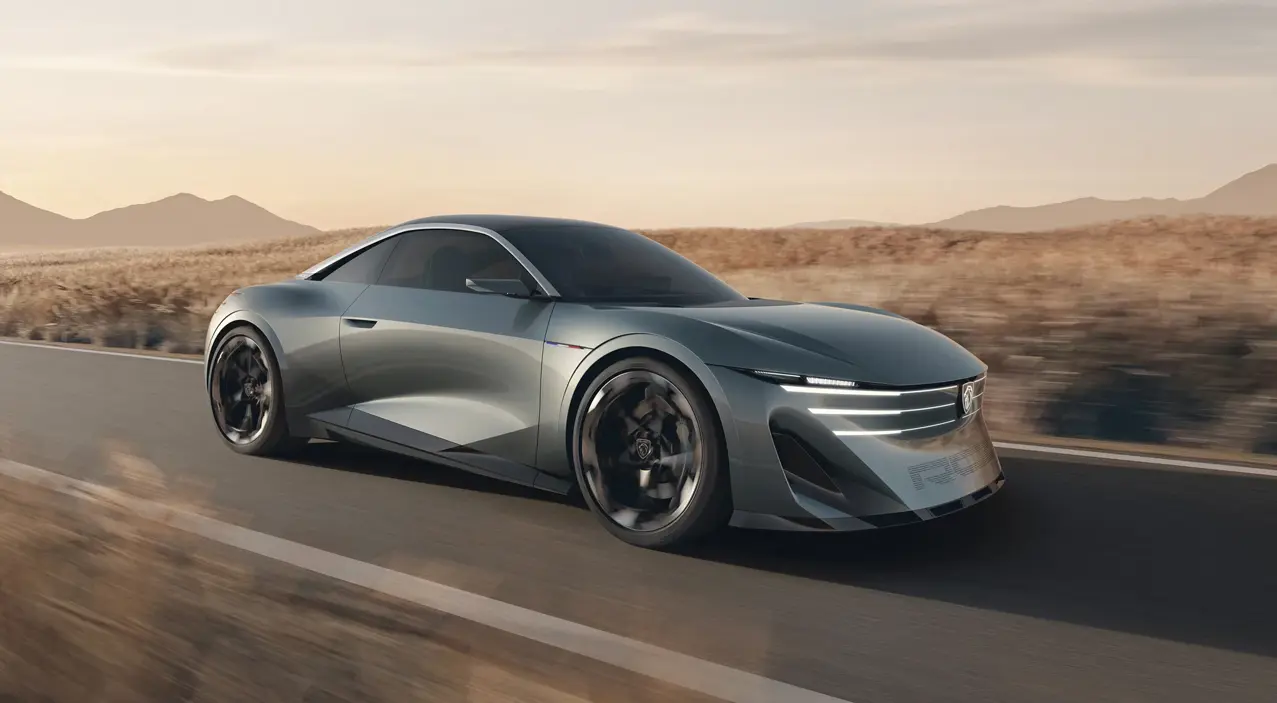
Peugeot has not disclosed a production timetable, price or New Zealand launch plans.
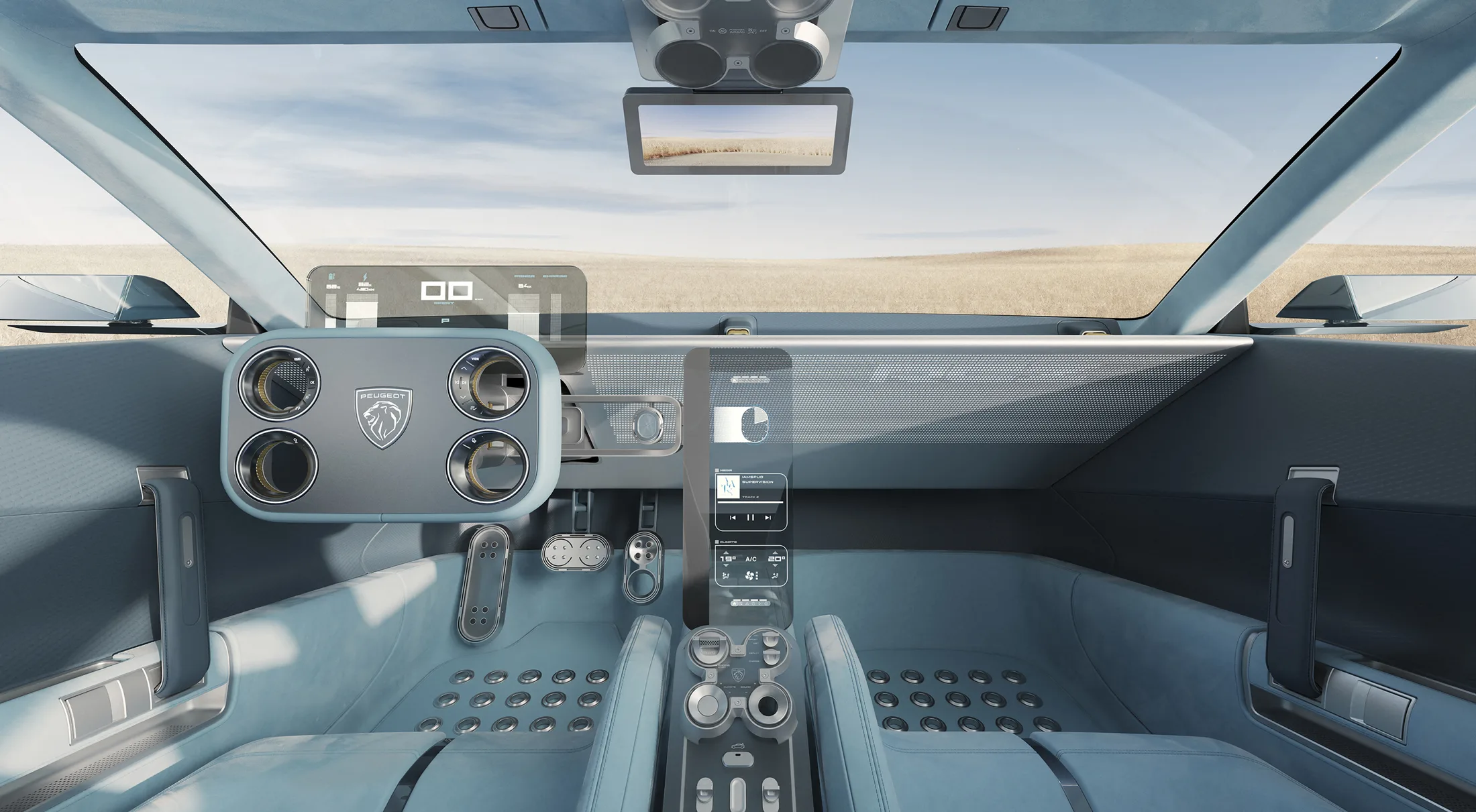
The cabin has four individual seats, with folding rear seatbacks, light blue Alcantara and recycled leather. Physical controls for driving functions and climate settings sit on a floating centre console.
Steering without a mechanical link
The Hypersquare control is the part of this concept Peugeot intends to carry into the next E-208. Its four rings put controls within reach of the driver's fingertips, and a steer-by-wire system removes the mechanical connection between the steering control and the wheels.
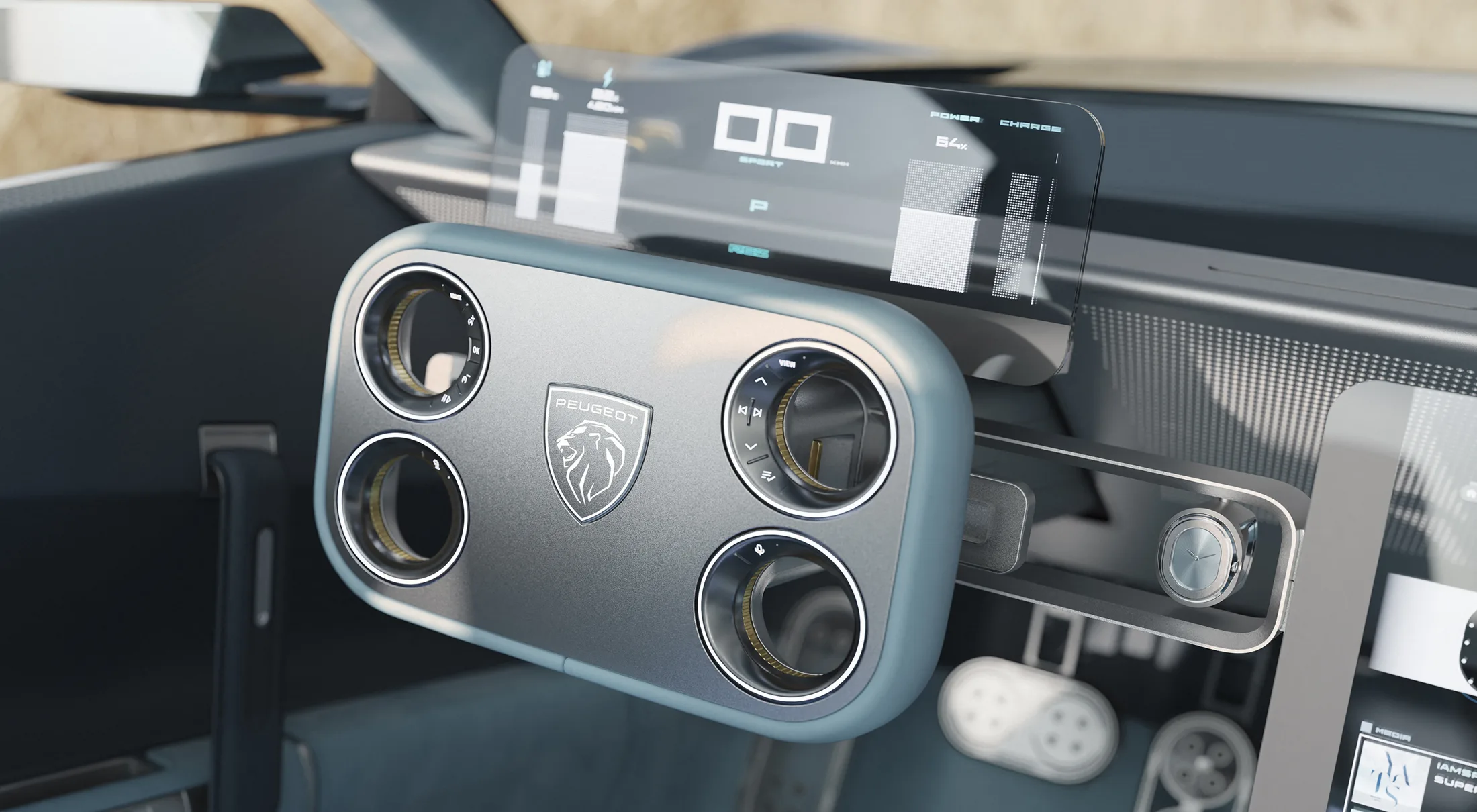
Braking also uses an electronic connection in place of a hydraulic link from the pedal. Together, the systems change how the driver's inputs reach the car's steering and brakes.
A transparent MicroLED display occupies the centre of the cabin and can be switched off so it disappears from view. Driver information remains visible above the Hypersquare control, allowing the central display to retreat without taking essential information with it.


