



NordEast group general manager Dane Fisher explains why Geely was chosen as a New Zealand partner.
If it feels like new brands are arriving faster, prices are shifting, and technology is moving quicker than it used to, you’re not imagining it.
The global automotive balance of power has already shifted. Most New Zealanders just haven’t fully felt the impact yet.
China is now the world’s largest automotive market and exporter. In 2025, total vehicle sales reached around 34.4 million units, with roughly 27.3 million sold domestically and just over seven million exported.
It’s also a market with extraordinary brand proliferation, around 150 active brands, but that number is misleading. The top six automotive groups now control more than 60 per cent of total volume. While there may be many badges, real investment and long-term viability sit with a handful of serious global players.
When the Giltrap Group went looking for a Chinese partner, we weren’t chasing a trend. We were making a call on where the industry is heading and who will still be standing in ten years. That decision led us to Geely Group.
This is not a fragmented market. It’s one consolidating fast. I caught up with the leader of a global distribution group recently. His view was simple: of those 150 brands, perhaps 10 will ultimately remain. That’s the real context.
If you’re not backing one of the few with the scale to survive, you’re taking a short-term position in a long-term game. Geely Group sits firmly on the right side of that line.
There is still a perception that Chinese brands compete on price. That misses what is really happening. Around half of all vehicles produced in China today are electrified. That scale is accelerating development, compressing pricing, and shortening model cycles in a way the traditional industry is struggling to match.
You can already see the impact here. More choice. Better specification. New models arriving faster. Pricing closing the gap sooner than expected.
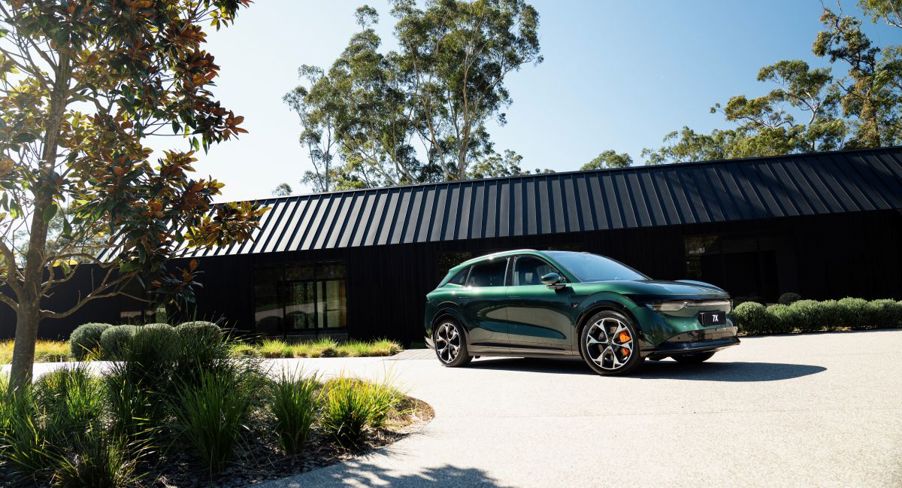
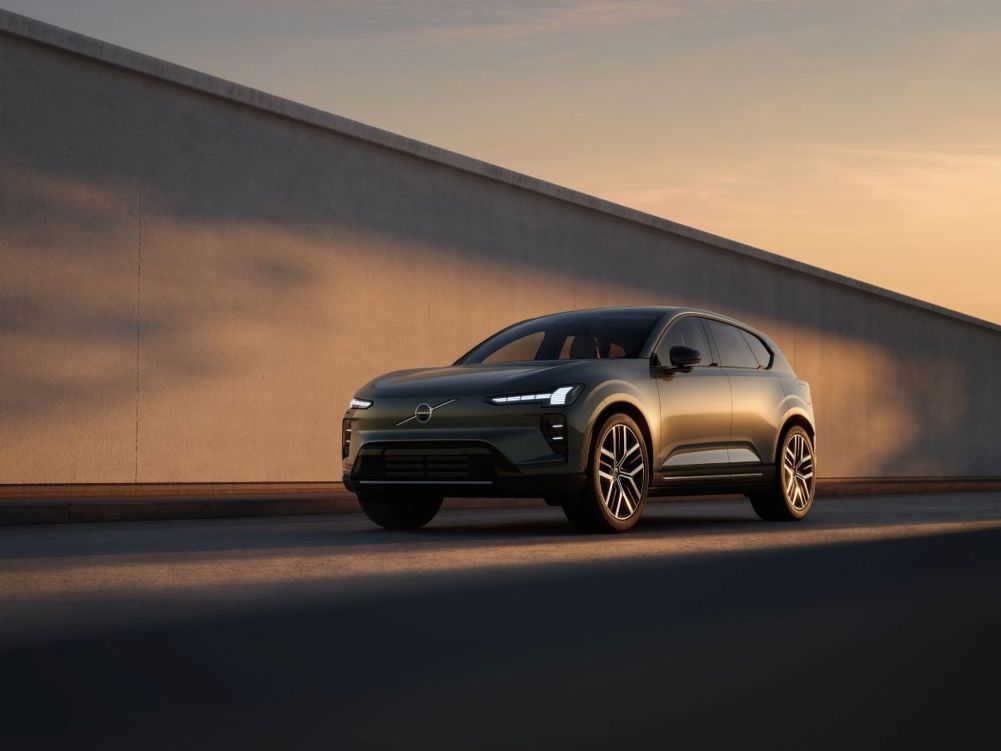
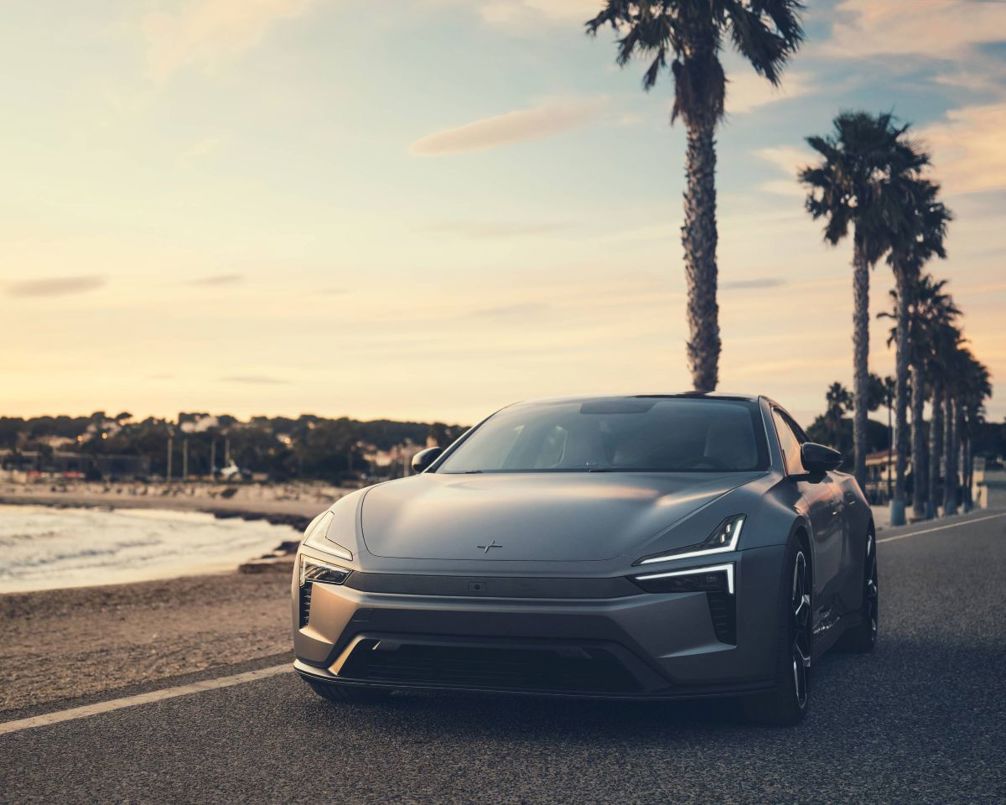
But scale alone isn’t what matters. How it’s structured is. At its core is the Geely brand, covering the volume end of the market, alongside Zeekr as a premium disruptor. Around that sits a broader ecosystem including Volvo, Polestar and Lotus, as well as Farizon in the zero emission commercial space.
Geely Group also brings global relevance through its position as the largest individual shareholder in Mercedes-Benz and a significant shareholding in Aston Martin. It remains majority owned by its founder, bringing a level of entrepreneurial agility and long-term conviction that is increasingly rare at this scale.
This is not a single brand stretching across segments. It is a coordinated portfolio, with shared technology and clear positioning at every level of the market.
And it is moving at pace. Geely, as the volume brand, is expected to introduce new models at a cadence of at least one per quarter for the foreseeable future. That means more choice landing in market, more often, and faster product improvement.
At the same time, Zeekr is stepping forward aggressively in the premium space, with four or five key models arriving in the next six months. This includes new super hybrid technology combining electric and petrol power to deliver up to 350km of EV range, around 1400km of combined range, and outputs approaching 1400 horsepower, redefining what buyers should expect from both performance and efficiency at the top end.
That combination of speed and capability will reset expectations. If the industry does narrow to a handful of global players, the winners will not just be large. They will be fast, diversified and able to serve multiple segments through a connected system.
That’s what Geely Group has built. For a market like New Zealand, that matters even more. This is a small market, but a demanding one. Customers expect global standards across safety, technology and ownership experience. To succeed here, a brand needs more than value. It needs credibility.
The other factor was flexibility. Electrification in NZ is not a straight line. It is uneven, shaped by fuel prices, infrastructure and total cost of ownership. Customers are not moving in one step. They are moving in stages. So a single technology bet doesn’t work.
What Geely Group enables is range. Battery electric, plug-in hybrid and hybrid. Passenger vehicles through to zero emission commercial vans. Entry point through to premium and performance. It allows us to meet customers where they are, not where we think they should be. Our model reflects that.
In key locations, Geely and Farizon are colocated to build scale across retail and fleet. Alongside this, we are aligned with the same investor groups behind Zeekr, which is being developed with a more standalone premium focus and its own identity. Efficiency where it helps. Separation where it matters.
The timing is no accident either. The NZ market is in the middle of a shift. Not early adoption, not yet mainstream. Demand is reactive. Fuel price spikes lift EV interest almost overnight. Policy changes can just as quickly slow it down.
But underneath that, the fundamentals are improving. More models. Better range. Expanding infrastructure. Pricing closing the gap.
Each of those removes a barrier. When the barriers drop, behaviour changes quickly. That is the real story.
Giltrap Group has been part of the NZ automotive market for more than 60 years, and we expect to be here for the next 60. That comes down to backing the right partners early and building with them over time. This is no different.
The question is no longer whether Chinese brands will reshape this market. They already are. If the next decade leaves only a handful standing, we’re backing Geely Group to be one of them.