



Sponsored by Arcfox
You’re over it. Hearing the headlines about how much petrol costs this week and checking the apps to find out which station is offering a deal. You’re thinking: maybe it’s time to finally go electric.
And you’re also thinking: what would that mean for my morning commute, the school or supermarket run, the weekend road trip – and my power bill?
Switching to an EV introduces some new habits, so understanding your driving needs, charging options and everyday priorities can help decide how it will fit your lifestyle.
Fortunately, you can drive before you decide by booking a test-drive of the Arcfox T1, a stylish crossover SUV that’s just made landfall in New Zealand. Produced by the EV subsidiary of Chinese automotive giant BAIC Group, the T1 is an affordable entry into the ever-growing electric market.
The first, and most obvious change in the EV experience is that you’ll wave goodbye to filling up at the pump. Instead, you’ll be recharging at home, at public charging stations and on road trips.
Charging your EV is as easy as plugging an extension lead into your nearest household socket. It can take a day or so to fully charge your vehicle using this method, though, which is why many EV owners opt for an AC wallbox, which costs roughly $2000-3000 but charges three times faster, typically overnight.
Having off-street parking allows slow charging, which is gentler on the battery and significantly cheaper than petrol. For those with solar, the cost of charging is practically zero; and those without can make use of electricity plans with discounted off-peak rates for overnight charging.
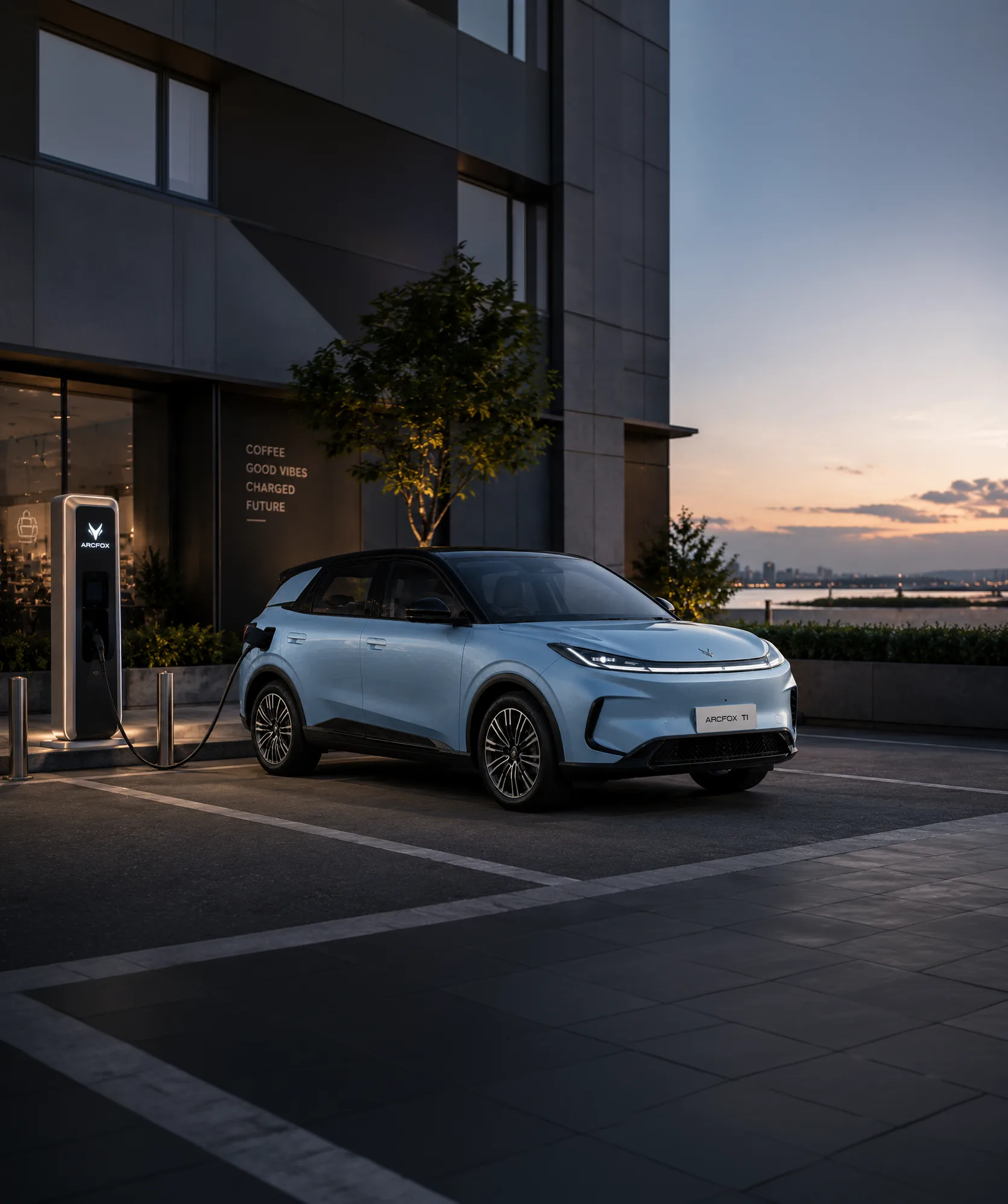
When you’re doing your sums, there are some other running costs to take into account.
Petrol cars do not pay a separate distance-based road user charge because road tax is included in the petrol price. Light EVs (less than 3500kg), on the other hand, pay a distance-based RUC of $76/1000km ($38/1000 km for PHEVs) on top of electricity costs.
But this is dwarfed by energy cost savings of going electric.
An EV costs the equivalent of $1.60/L to ‘fill up' when charged at home, including road user charges, according to the Government’s Energy Efficiency and Conservation Authority.
The average price of unleaded 91 petrol in New Zealand, meanwhile, was $3.54/L at the time of writing, according to New Zealand fuel price repository Gaspy – well over double.
EVs also win big when it comes to maintenance and servicing.
Petrol cars contain over 2000 moving parts and require regular oil changes, spark plugs, timing belts and exhaust repairs. Electric cars like the Arcfox T1 contain roughly 20 moving parts, don’t need engine oil or spark plugs, and brake pads last longer due to regenerative braking.
Driving a modern EV, you’ll notice immediate changes in acceleration, braking and cabin noise. Expect smooth and instant acceleration in the T1, because EVs deliver power directly to the wheels when you press the pedal, providing instant torque without waiting for gears to change.
Lifting your foot off the accelerator engages regenerative braking, slowing the T1 down while harvesting kinetic energy to feed power back into the battery. Driving down steep hills (looking at you, Wellington and Dunedin) helps recharge the battery and extends your range.
Round-town driving suits EVs. New Zealand's average urban commute is roughly 22km, so even lower-range EVs or second-hand models easily cover most workaday routines.
Road trips do require EV owners to plan ahead, and you’ll need to organise your route around charging networks, carry the necessary cables, and account for range drops caused by open-road speeds and terrain.
Plan your primary charging stops and note backup chargers in case a station is busy or out of order – see the NZTA/Waka Kotahi EV charger map, PlugShare, ChargeNet and other apps – and allow extra time for fast-charging.
Download key apps and install network and planning tools before you leave, and it can be worth choosing accommodation with on-site charging so you wake up with a full battery each morning.
Begin your journey with a 100% charge overnight and aim to fast-charge to about 80% en route to keep the trip moving quickly.
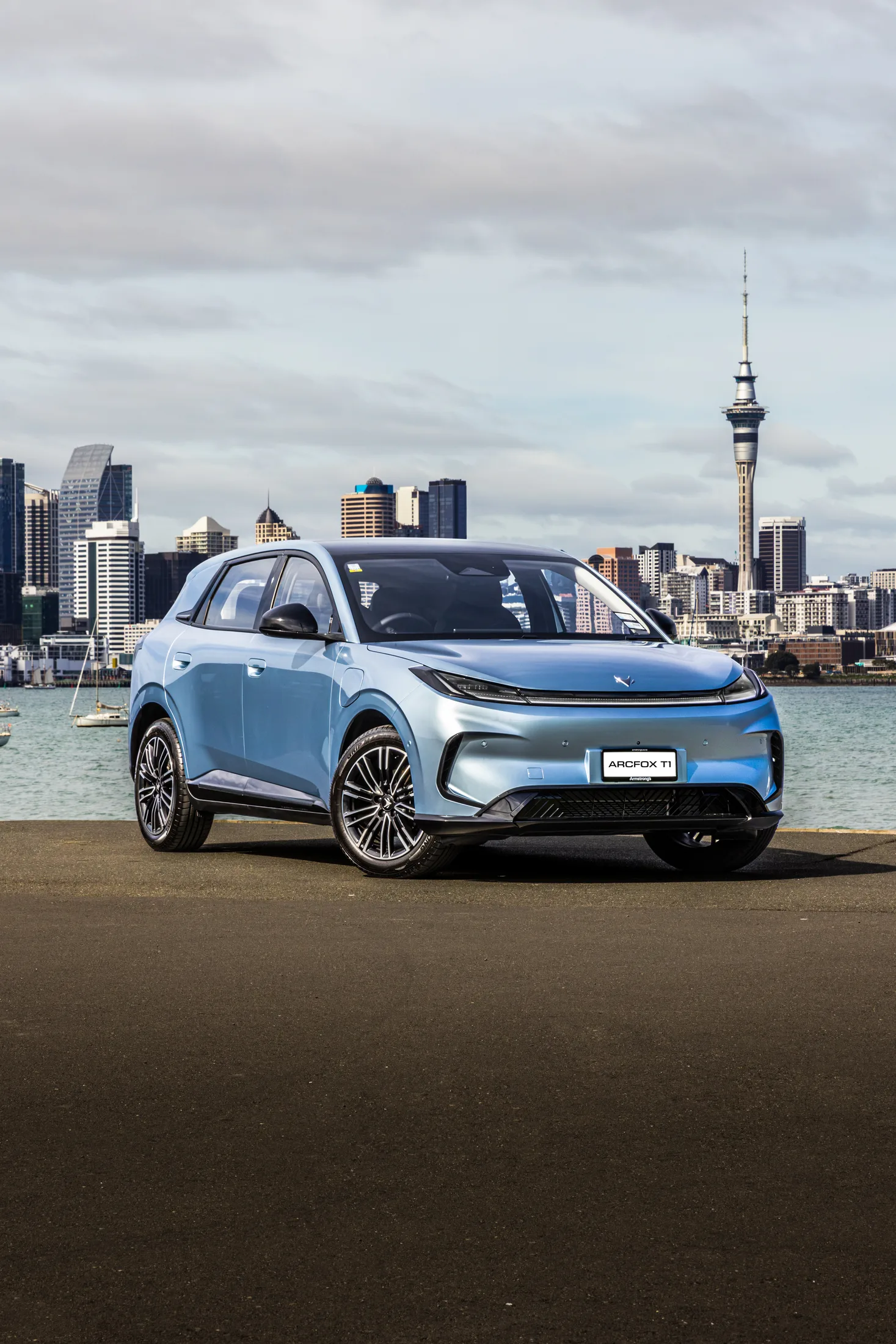
If you’re thinking it’s time to change, remember, you’re still looking for a car that meets your needs – kids’ soccer practice, the dog park, seeing Grandma in Tauranga. Comfort, passenger space, storage, parking and ease of use is as important as the tech.
It’s here that a vehicle like the T1 has broad appeal. Sitting in the "sweet spot" between a hatchback and an SUV, it aims to combine the practical utility and elevated ride height of an SUV with the sharper drive of a traditional passenger car.
Interior space will surprise: a big 459-litre boot, 71 litres of underfloor storage, and generous legroom.
The T1 comes with a comprehensive safety suite, including automatic emergency braking, front collision and lane departure warning, intelligent cruise control, and that Auckland must-have: traffic congestion assistance.
Arcfox backs the vehicle with a six-year/200,000km vehicle warranty alongside an eight-year/200,000km battery warranty, and six years of roadside assist.
Find out more and book a test drive at arcfox.co.nz

