




Sponsored by Arcfox
Independence. It’s not a word normally associated with motorists’ motivation for the cars they buy, but it explains the rise and rise of electric vehicles (EVs) on New Zealand roads – and of a new generation of drivers keen on groundbreakers like the Arcfox T1.
Global market analysts have predicted a 220% year-on-year growth of electric vehicles (EVs) in New Zealand this year and 11% globally – but what is fuelling this increase?
Simon Rutherford, CEO of Auto Distributors New Zealand – the distributor of the new Arcfox T1, a stylish, hi-tech, $34,990 crossover SUV helping to re-write the narrative when it comes to EVs – says independence plus the natural Kiwi inclination to be environmentally conscious are key factors.
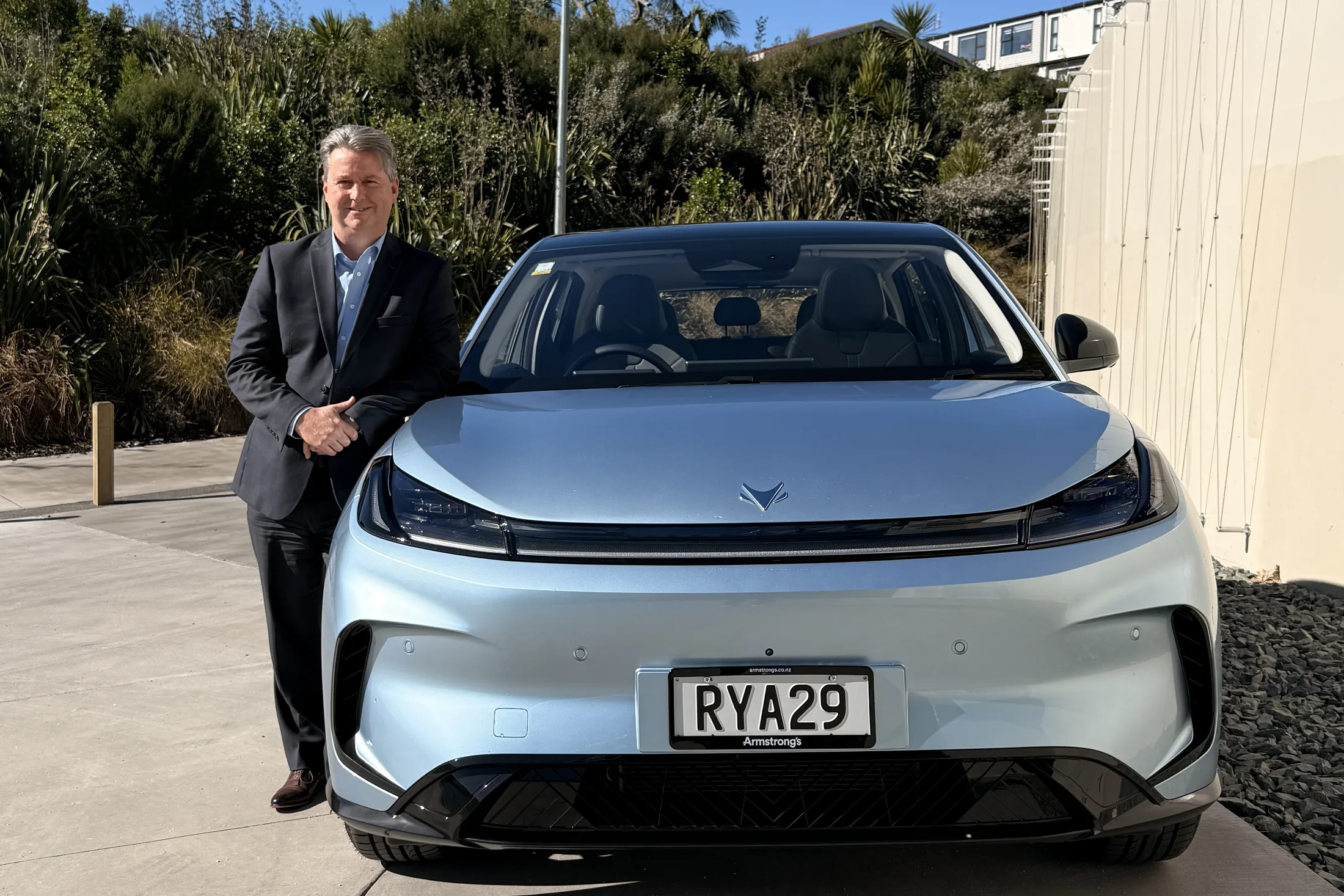
The old hesitancy accompanying the first wave of EV adoption has given way to a new generation, he says.
“Sure, the situation in the Middle East and fuel prices are an accelerant [for EV sales], but the accessibility of value-for-money, innovative and stylish EVs was happening well before the conflict with Iran,” Rutherford explains.
“People want certainty and independence in their lives – an EV gives that now.”
By independence, he means not only freedom from whatever is happening in the Straits of Hormuz but also opting to follow a more independent environmental path, personally and nationally.
Certainty is right – the Arcfox T1 (so named because of its eye-catching design characteristics inspired by the Arctic fox and the aurora borealis) comes with a six-year or 200,000km vehicle warranty and an eight-year or 200,000km battery warranty (whichever comes first).
There is certainty, too, in the affordability of on-road and running costs as the old concerns of range anxiety, charging inconvenience and battery life recede into history.
“When EVs first came onto the market, they were relatively expensive and had to be subsidised,” says Rutherford, “so the price/value equation wasn’t as obvious. They are much more accessible now.
“Some of those old concerns arose because some people saw complications where none really existed. We find, for instance, that people mostly just plug in their EVs overnight after daily use rather than use public fast charging stations and all the worries about wait times and so on.”
Rutherford says the Arcfox’s range of 310km is perfect for urban and everyday use and, with fast charging taking only 25 minutes to restore 80% battery levels, a short break for a coffee and a stretch of legs has become normalised as Kiwis build such stops into planned, longer journeys.
“There’s one group that have now experienced EVs for themselves, whether in an Uber or in a friend’s car, and they’ve come to realise that EVs offer performance, technology, a quiet and more soothing ride, plus environmental and lifestyle advantages,” says Rutherford.
“There’s another younger group who saw Nissan Leafs in the early days and haven’t had to change their thinking or psyche; they don’t care so much about the powertrain, they’re more interested in the technology, the capability of the car and its fun-to-drive flexibility.
“Both groups include people who want to find ways to live in harmony with the environment, reducing their footprint and harnessing natural resources more efficiently. People can see the logic and the connection with the New Zealand clean, green brand.”
It poses a philosophical question not usually contemplated in the motor vehicle industry: are New Zealanders more readily accepting EVs now, or are EVs evolving into cars now more ready for Kiwis?
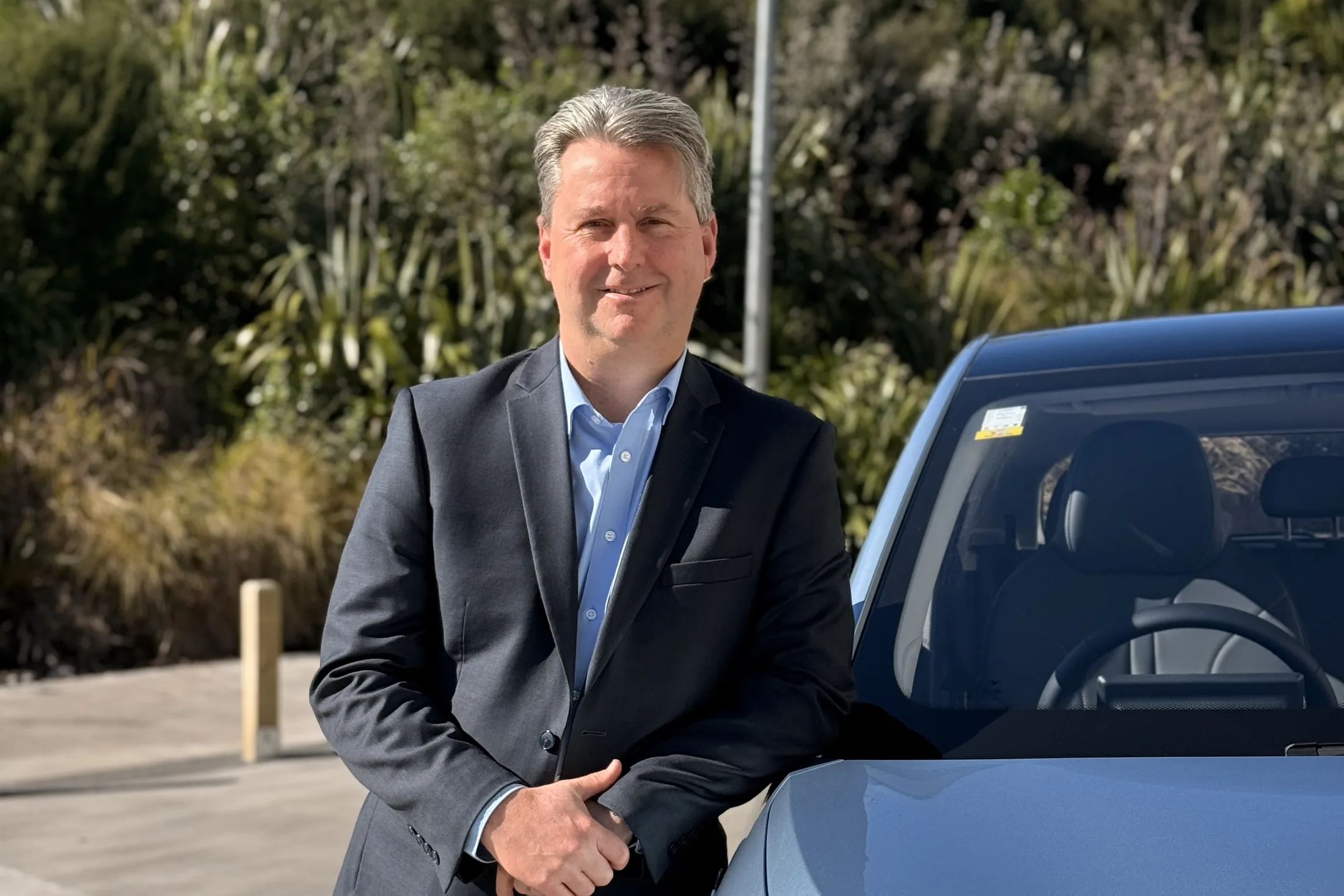
Both, says Rutherford, pointing to the features of the Arcfox T1.
The T1 design is eye-catching – “I think most people buy from the outside,” he says. “They don’t want something that doesn’t look good” – and technology advances include automatic parking assistance, driver assistance, 360-degree surround view and transparent chassis, plus active safety technology.
The Arcfox T1 has comfortable ventilated seats plus a whopping 1352 litres of storage space with the seats down, plus a further 74-litre hidden storage space, with economy, sport, comfort and personalised driving modes.
The Arcfox T1 also has the benefit of its Chinese heritage with the BAIC Group, the makers of Mercedes-Benz there. China sells almost two-thirds of the world’s EVs right now and has 80% market share in Australia, 26% in the UK and 25% in Japan.
Rutherford formerly lived in China for four years, working for Ford, one of the many major car manufacturers with plants there.
“The huge Chinese domestic market means their EVs have become cutting-edge; and because they have so many demanding consumers in terms of quality, Chinese-made EVs would not survive if they churned out a poor product.”
For more information and to book a test drive, visit www.arcfox.co.nz.

