


The BYD Shark 6 made quite an entrance when it arrived in New Zealand, offering something the traditional ute makers hadn't quite managed: a plug-in hybrid double-cab that drove more like an EV than a diesel workhorse, while retaining the practicality and long-distance flexibility Kiwi buyers expect.
It was a compelling proposition, but the original Shark also came with a couple of fairly significant asterisks. Its 2.5-tonne braked towing capacity and limited off-road drive modes left it looking a little less convincing for buyers who needed their ute to do more than commute, carry the occasional load and look good parked outside Bunnings.
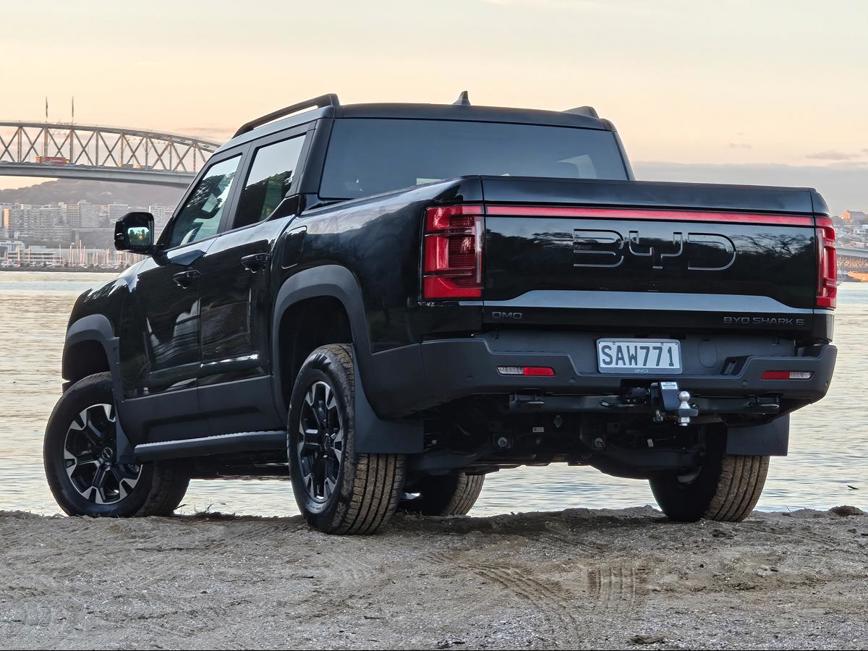
Enter the BYD Shark 6 Performance. Despite the name, this isn't really about turning the Shark into some sort of electrified street racer. Instead, BYD has addressed the areas where the original fell short, adding a larger petrol engine within its DMO plug-in hybrid system, more serious off-road capability and, crucially, a 3.5-tonne towing capacity.
The result is an evolution of the original rather than a wholesale reinvention. And that's probably the right approach: the Shark's appeal was never really about outright speed - although it was very fast for a ute - but about delivering an EV driving experience in a vehicle that could still do ute things.
On the outside: what are the BYD Shark 6 Performance's main design features?
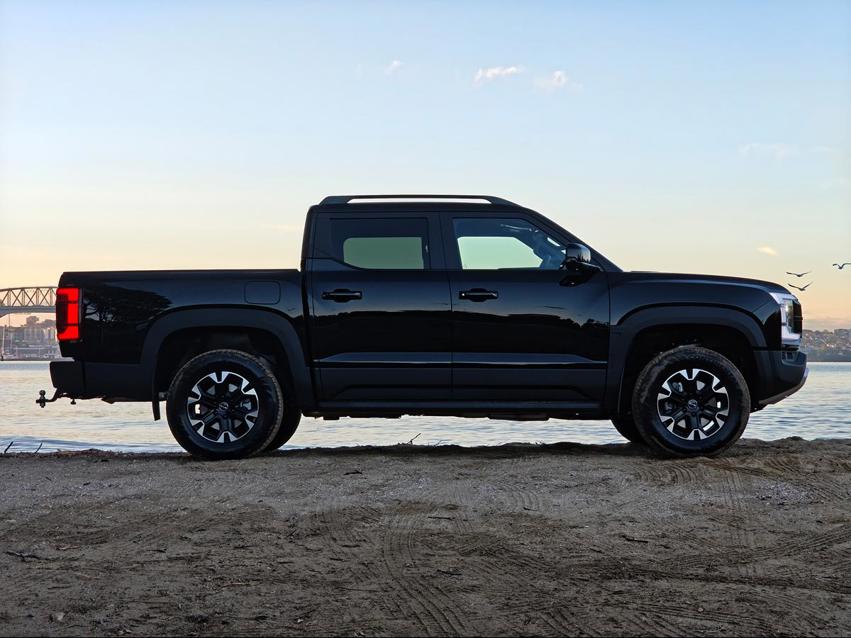
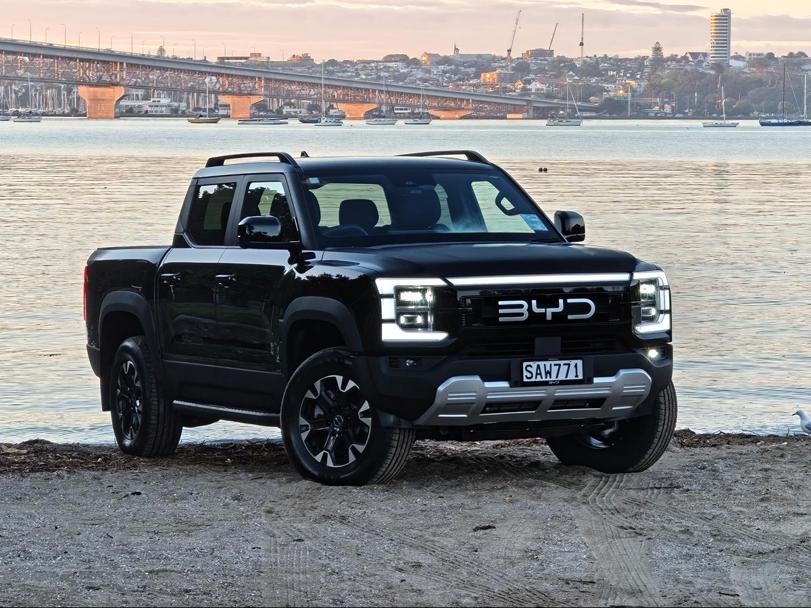
You'll need a reasonably keen eye to distinguish the Shark 6 Performance from the original, because BYD hasn't gone down the usual route of adding a few new bits of plastic and calling it a facelift.
There are no major exterior styling changes to announce the Performance's arrival, and the differences are largely mechanical rather than cosmetic.
The same imposing, square-jawed bodywork remains, with a broad front end, chunky proportions and enough visual swagger to suggest that BYD has spent some time studying the American full-size pickup market. The Shark sits in an interesting space between conventional one-tonne utes such as the Ford Ranger and Toyota Hilux and the considerably larger likes of the Ram 1500 and Chevrolet Silverado.
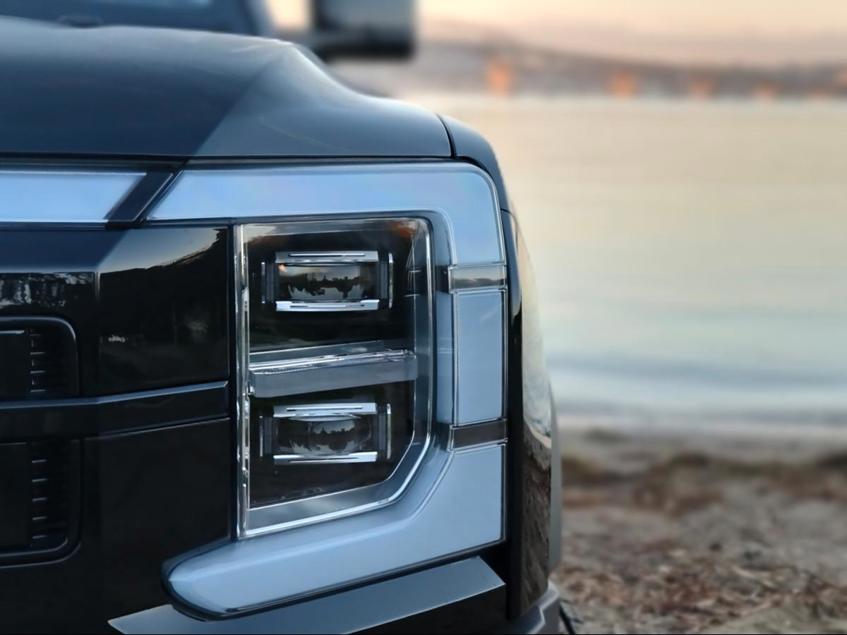
It borrows a little of that American truck attitude without losing its own identity. The styling is assertive, but not particularly fussy, and the proportions work well for a vehicle of this size. What might have seemed a little polarising when the Shark first appeared has become more familiar as examples have accumulated on New Zealand roads.
There are no major exterior styling changes to announce the Performance's arrival, and the differences are largely mechanical rather than cosmetic. That means you get the same substantial road presence without the need for additional visual embellishments to tell the neighbours you've bought the newer model.
It remains a handsome ute, although its sheer size is worth bearing in mind if your daily routine involves tight urban streets or squeezing into supermarket car parks designed for considerably smaller vehicles.
OVERVIEW
| Price | $78,990 |
| Body style | Double cab ute |
| Wheels and tyres | 18-inch alloy wheels, 265/65 tyres |
| Length | 5457mm |
| Wheelbase | 3260mm |
| Weight | 2775kg |
| Website | bydauto.co.nz |
On the inside: what's the BYD Shark 6 Performance's cabin like?
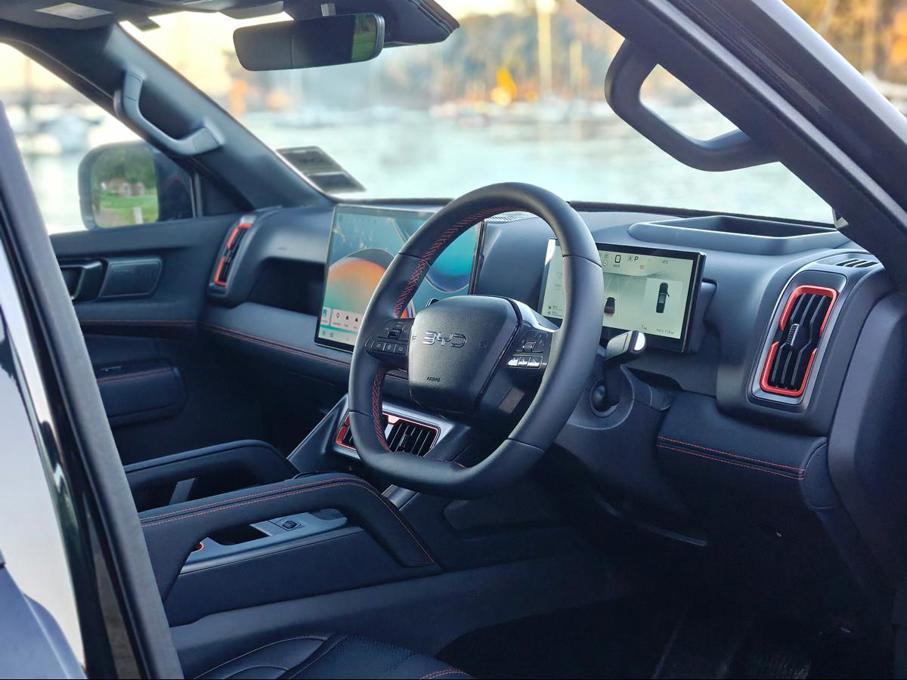
The Shark's cabin was one of the original model's strongest selling points, and the Performance largely leaves that formula alone.
The biggest change is the gear selector - the original's chunky centre-console lever has been replaced by a column-mounted shifter.
There's plenty of space, the seats are comfortable and supportive, and the overall presentation feels more premium than the traditional work-focused ute cabin. BYD has clearly taken the view that a modern double-cab should be a pleasant place to spend several hours, rather than simply somewhere to sit while waiting for the next job.
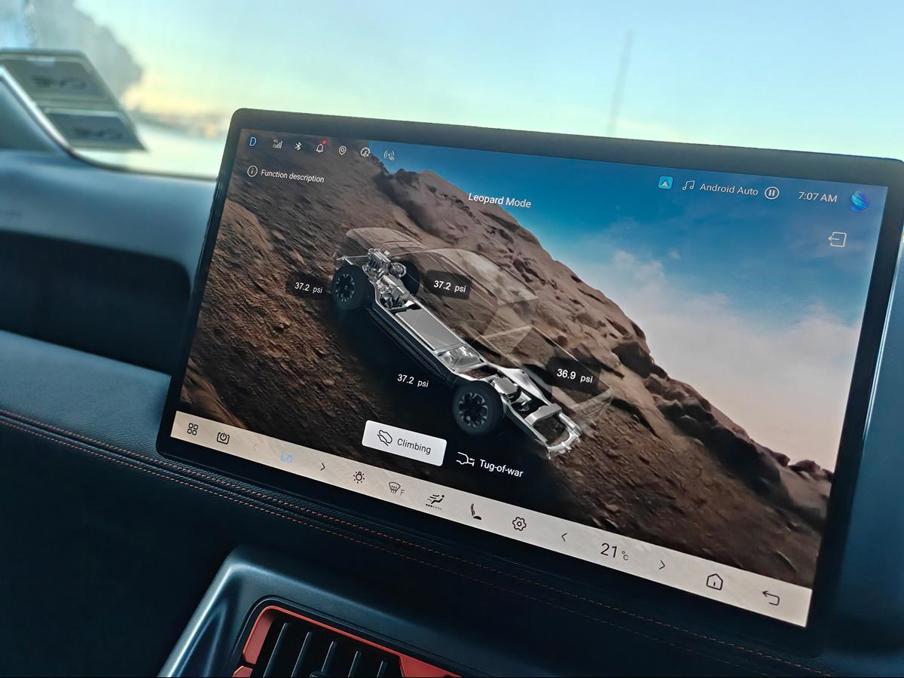
The biggest change is the gear selector - the original's chunky centre-console lever has been replaced by a column-mounted shifter, freeing up space between the front seats and giving the centre console a cleaner, more functional appearance.
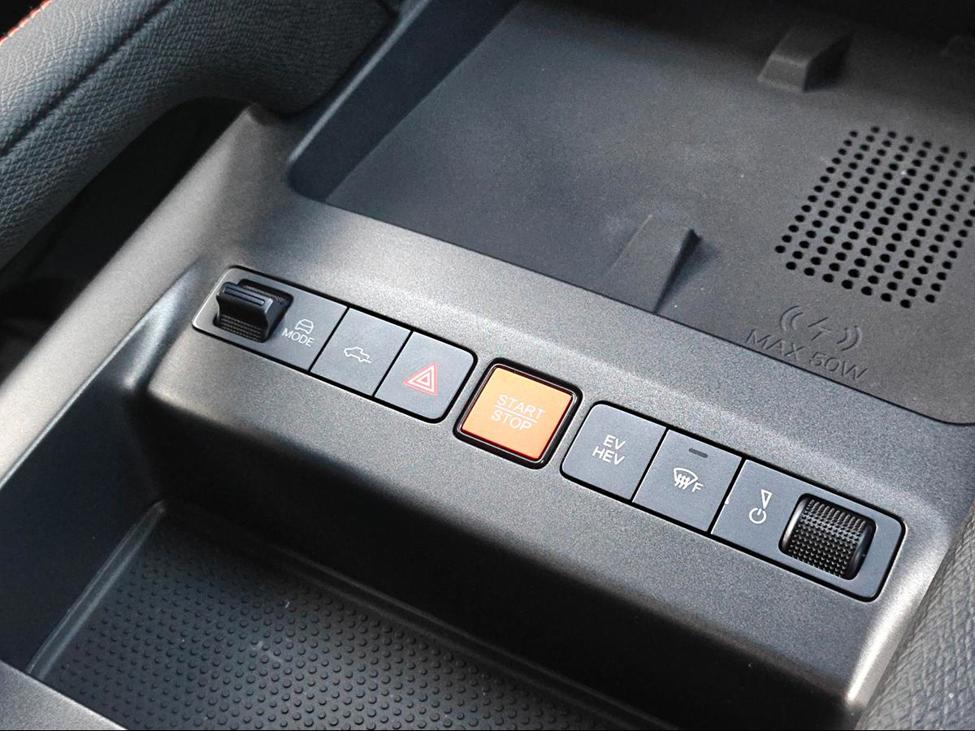
It's a sensible change. The revised layout feels less ornate and more purposeful, with a simpler arrangement of physical controls that suits the Shark's dual role as a family vehicle and working ute. The cabin remains technology-focused, but there's enough conventional functionality to keep it from becoming an exercise in touchscreen-based frustration.
Seat comfort is particularly good, while fit and finish are also impressive, helping the Shark feel like a more sophisticated proposition than many traditional diesel rivals.
There is one small irritation though: the steering wheel. It's a little too thick for my liking, and the material doesn't feel especially premium, coming across as cheaper-feeling than you'd expect given the otherwise convincing cabin.
The name might suggest a dramatic increase in straight-line performance, but that's not really the point of the Shark 6 Performance.
It's hardly a deal-breaker, but it does stand out in an interior that otherwise gets most of the important details right.
INTERIOR
| Head-up display | Yes |
| Infotainment screen | 15.6 inches |
| Phone projection | Wireless Android Auto and Apple CarPlay |
| Wireless phone charger | One |
| USB ports | 1x USB-A and 1x USB-C front and rear |
| Climate control | Dual zone |
| Front seat heating/ventilation | Yes/Yes |
| Front seat adjustment | Power, 8-way driver, 6-way passenger |
| Tray capacity | 1200 litres |
| Rear seat split/fold | No |
| Power tailgate | No |
On the road: what's the BYD Shark 6 Performance like to drive?
The name might suggest a dramatic increase in straight-line performance, but that's not really the point of the Shark 6 Performance.
There is more power available and the petrol engine has grown from 1.5 litres to 2.0 litres, but the engine's primary role in BYD's DMO plug-in hybrid system is to generate electricity rather than drive the wheels directly in the conventional manner. The electric motors remain responsible for delivering the characteristic immediate response, smooth acceleration and EV-like driving experience.
Consequently, the Performance is brisk rather than startlingly quick. There's a little more muscle available, but the real improvements are found in the way the system operates and what the vehicle can now do.
The larger engine can generate electricity with less effort under demanding conditions, helping it operate more smoothly and quietly than the smaller unit in the original Shark. The petrol engine is still audible when called upon, particularly when acceleration demands are high, but it feels considerably less frantic in normal driving.
The Performance isn't trying to turn the Shark into a sports ute. Instead, it makes the existing concept more capable, more refined and more useful to buyers whose requirements extend beyond the school run.
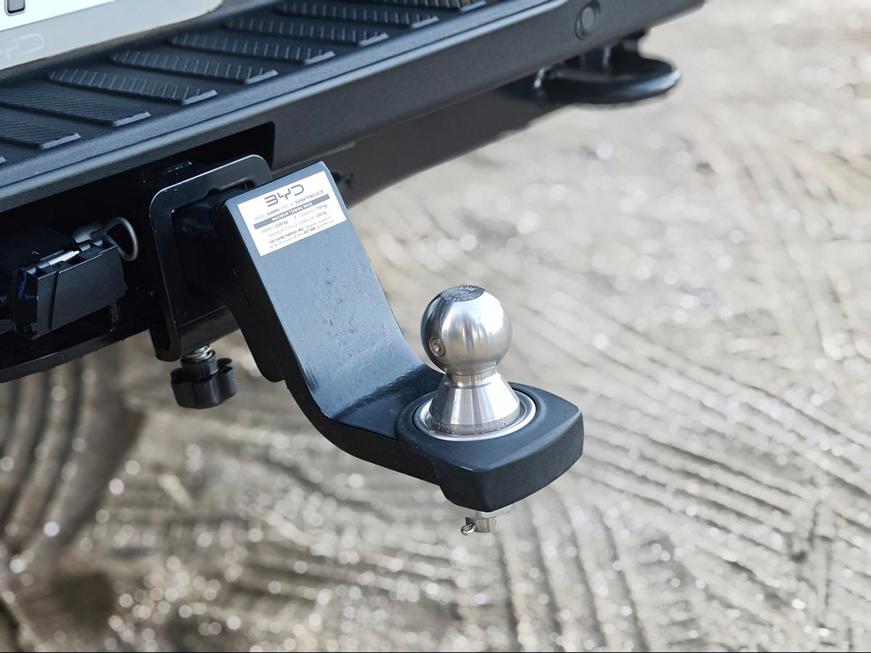
The Performance also addresses the original's more practical shortcomings. Off-road drive modes are more comprehensive, with the addition of dedicated terrain settings, but it is the increase to a 3.5-tonne braked towing capacity that is arguably the most important change, bringing the Shark into line with the figure many New Zealand ute buyers consider a baseline requirement.
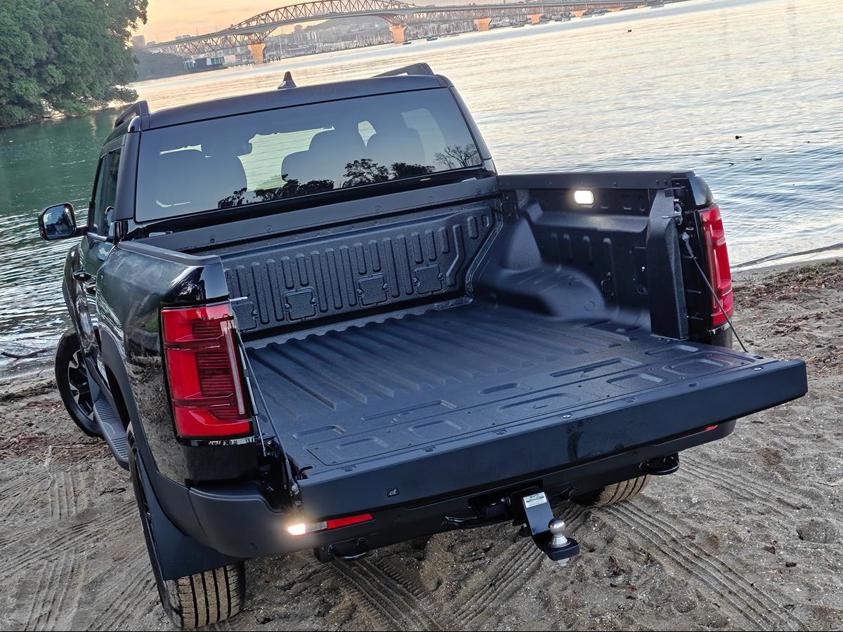
It transforms the vehicle's appeal for those who tow substantial trailers, boats or caravans, although the usual caveats around payload, gross vehicle mass and gross combination mass still apply. A 3.5-tonne towing rating doesn't mean you can automatically tow that much while carrying a full load of passengers and cargo, so buyers intending to work the Shark hard should check the relevant weight limits carefully.
The Performance isn't trying to turn the Shark into a sports ute. Instead, it makes the existing concept more capable, more refined and more useful to buyers whose requirements extend beyond the school run.
SPECIFICATIONS
| Powertrain type | Plug-in hybrid |
| Capacity and battery | 2000cc and 29.6kWh |
| Power | 350kW |
| Torque | 700Nm |
| Transmission | Single-speed, AWD |
| Power to weight | 126kW/tonne |
| Adaptive suspension | No |
| Efficiency | 1.3l/100km on +25% charge (WLTP) |
| Tank size, fuel type, and range | 60 litres, 95 octane, 80km |
| Tow rating | 3.5 tonnes |
On ownership: what's the BYD Shark 6 Performance's warranty and servicing situation?
BYD offers the Shark 6 Performance with a 6-year/150,000km warranty, along with an 8-year/160,000km warranty on the battery. 8 years of roadside assist is also standard, while service intervals are every 12 months of 20,000 kilometres.
On the whole: what do we think of the BYD Shark 6 Performance?
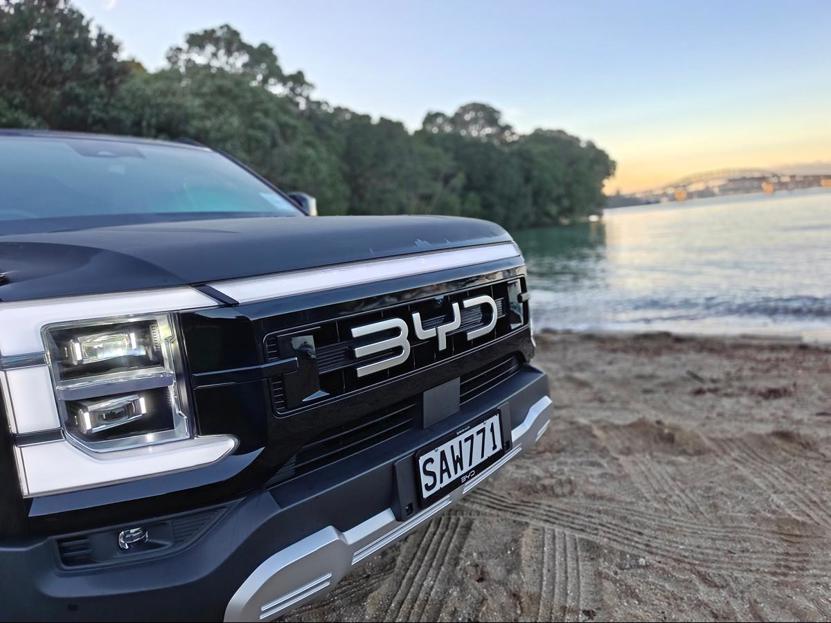
The BYD Shark 6 Performance is a welcome development of an already interesting ute, and one that addresses the original's most obvious shortcomings without tampering with the qualities that made it appealing in the first place.
The Shark 6 Performance doesn't merely make the original a little better; it makes the concept considerably more complete.
The exterior remains distinctive, the cabin is comfortable and well finished, and the electric drivetrain continues to deliver the sort of smooth, quiet response that makes conventional diesel utes feel rather old-fashioned.
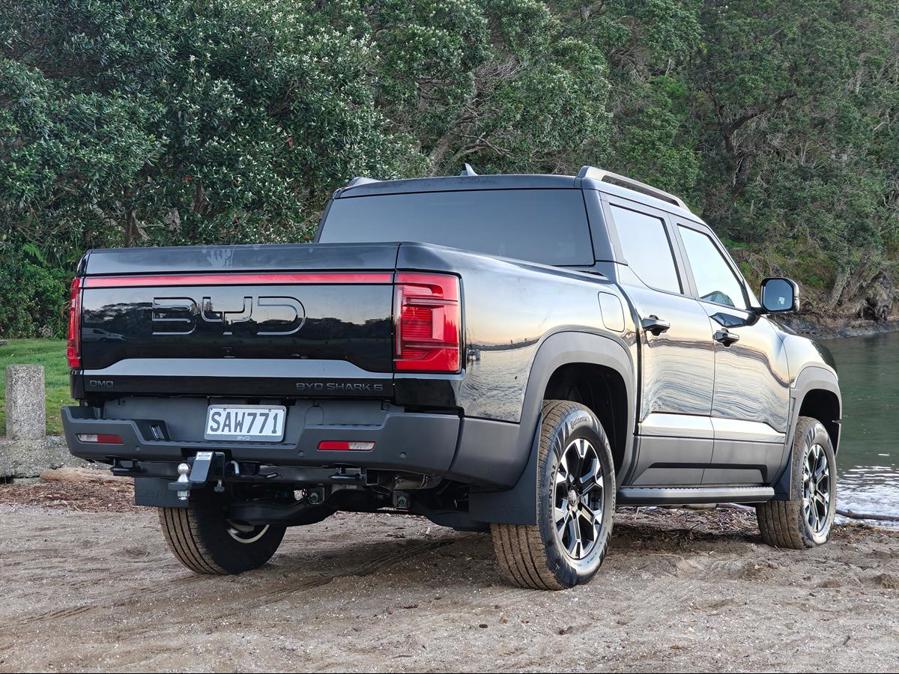
The larger petrol engine improves the refinement of the hybrid system, while the expanded off-road modes and 3.5-tonne towing capacity make the Shark a more convincing proposition for buyers with genuine work and recreational requirements.
For anyone who liked the original but couldn't quite get past its towing limitations or comparatively modest off-road credentials, this is a much more compelling package. The Shark 6 Performance doesn't merely make the original a little better; it makes the concept considerably more complete.
BYD Shark 6 Performance FAQs
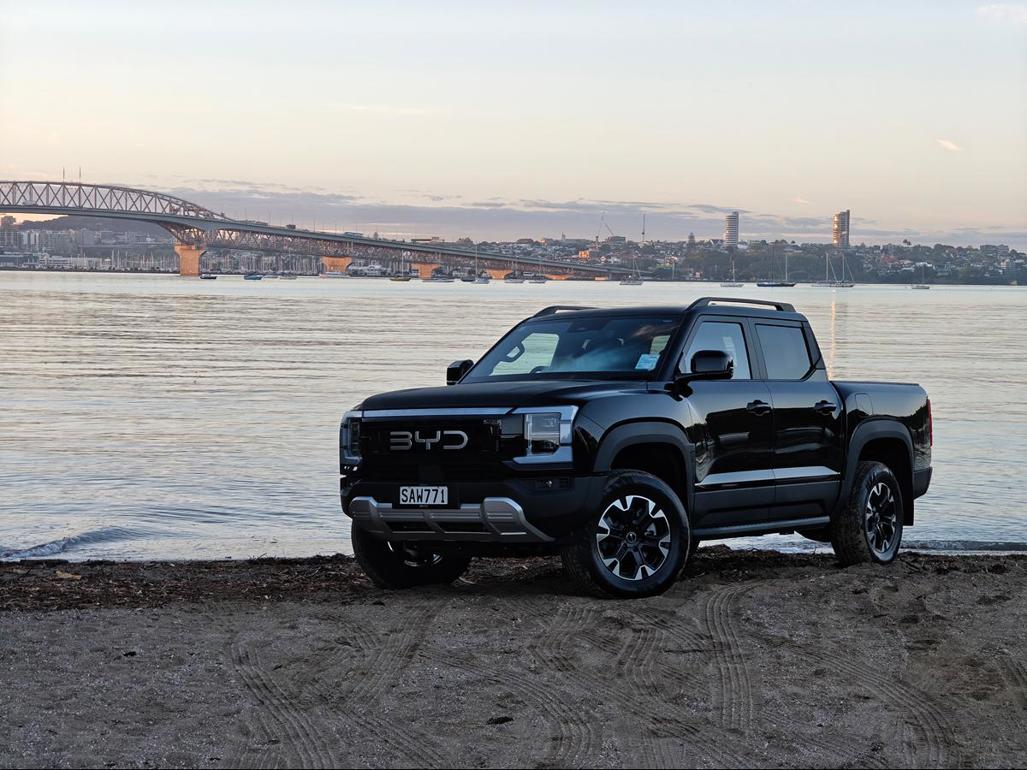
What kind of car is the BYD Shark 6 Performance?
A double cab wellside ute.
Does the BYD Shark 6 Performance have hybrid or EV technology?
Yes, the Shark 6 Performance is a range-extender style plug-in hybrid.
What’s the fuel economy of the BYD Shark 6 Performance?
BYD says the Shark 6 Performance will return an average combined consumption of 1.3l/100km with the battery charged between 25 and 100 percent, while with less than 25 percent it will return 10.5l/100km under the WLTP test cycle.
Is the BYD Shark 6 Performance safe?
The BYD Shark 6 Performance shares the 1.5-litre Premium's 5 Star ANCAP crash safety rating, while featuring dual front, side and curtain airbags, as well as a front centre one.
What safety and assistance features does the BYD Shark 6 Performance have?
| Intelligent lights | Automatic LED |
| Rain sensing wipers | Yes |
| Airbags | 7 |
| Adaptive cruise control | Yes |
| Driver attention monitor | Yes |
| Traffic sign recognition | Yes |
| Forward collision warning | Yes |
| Blind spot warning/assist | Yes/Yes |
| Lane departure warning/assist | Yes/Yes |
| Rear cross traffic alert/braking | Yes/Yes |
| Reverse collision braking | Yes |
| Parking sensors | 2x front, 4x rear |
| Camera system | 360 degree |
What are the BYD Shark 6 Performance main rivals?
- GWM Cannon Hi4-T Ultra ($62,990): Considerably cheaper and better off road, not as good on it.
- JAC T9 PHEV ($59,990): Similar powertrain but considerably cheaper, less refined.
- Ford Ranger Wildtrak hybrid ($85,990): Considerably less electric range, but considerably more ability.
- Geely Riddara RD6 ($69,990): Fully electric and actually faster, but even less capable off road.
- Toyota Hilux BEV SR ($81,990): Small range for an EV, but... it's a Hilux!


