



The Farizon brand, part of the extensive Geely group which also includes Volvo and Polestar, has been making its mark on the New Zealand commercial vehicle scene with its growing range of all-electric vans.
The Farizon SuperVan (no, not that one...) is part of a two-pronged electric van strategy for local distributor NordEast's commercial division, alongside its V7E sibling. While both are electric vans and of a similar size, they are distinct models - the SuperVan we drive here is the first model Farizon launched and comes in several configurations, unlike the newer one-size-fits-all V7E.
Farizon may be a new name to Kiwi buyers, but its parent company, Geely, is the global giant behind premium automotive brands like the aforementioned Volvo and Polestar, as well as Zeekr, Lotus and the Geely brand itself.
Farizon has dominated China's clean-energy commercial vehicle market as the annual sales champion for four consecutive years, and under an ambitious global strategy, the manufacturer is now aggressively expanding into our part of the world.
This particular short-wheelbase, low-roof model (L1H1) we drive here sits at the entry point of the SuperVan range, but with a price tag of $72,990, it positions itself significantly above its V7E stablemate, aiming to justify the premium with a higher level of specification and refinement.
On the outside: what are the Farizon SuperVan's main design features?
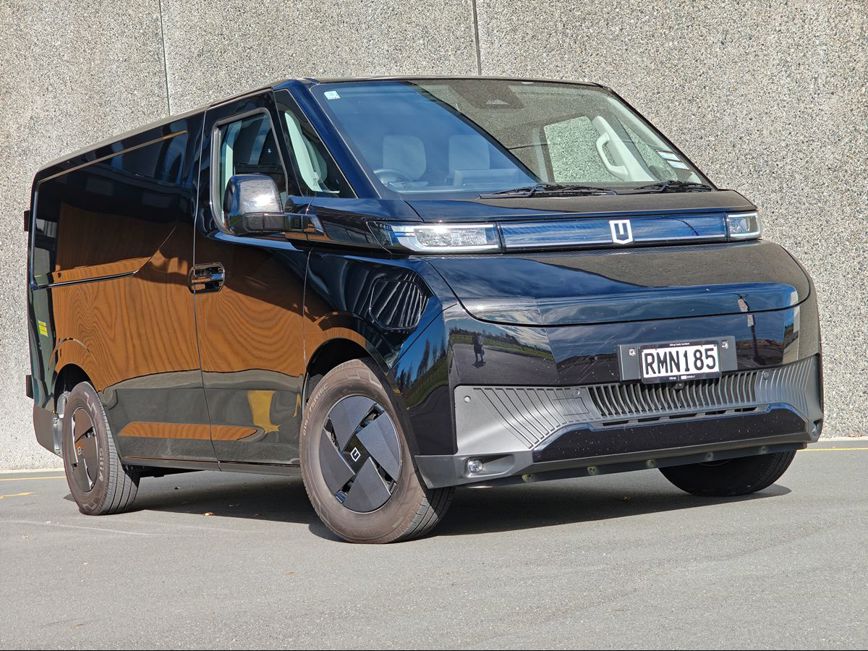
Where its V7E sibling looked great, the SuperVan takes it a step further in pushing the design envelope for a van.
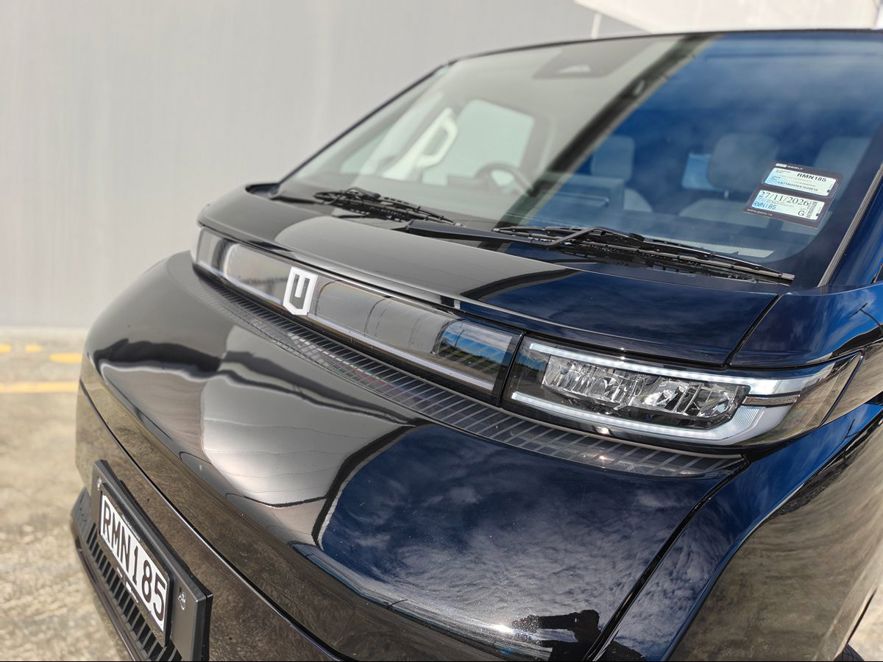
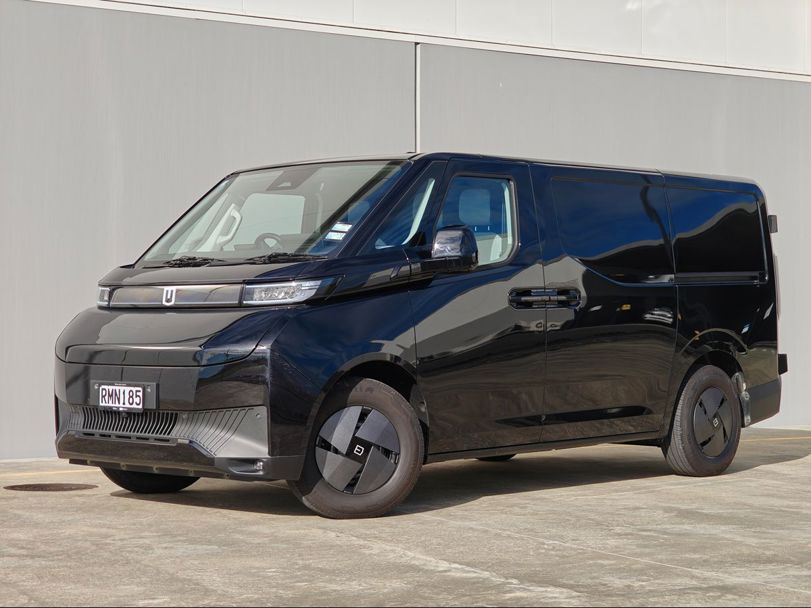
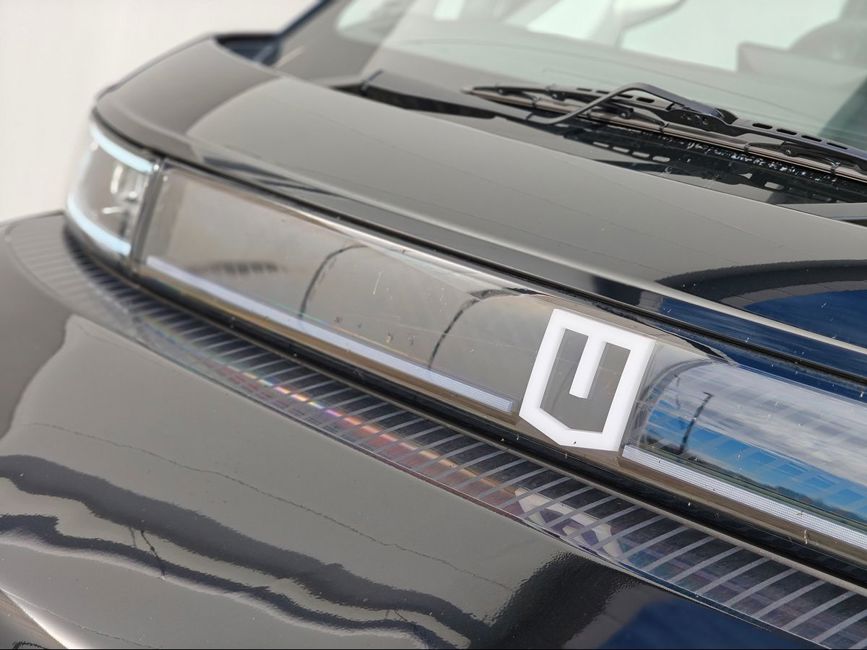
It has a distinctive, almost futuristic two-step nose with a light-up badge that gives it a surprisingly high-end feel for a commercial vehicle and, when finished in the black of our test vehicle, with matching black and grey aerodynamic wheel covers, this van looks seriously cool and modern.
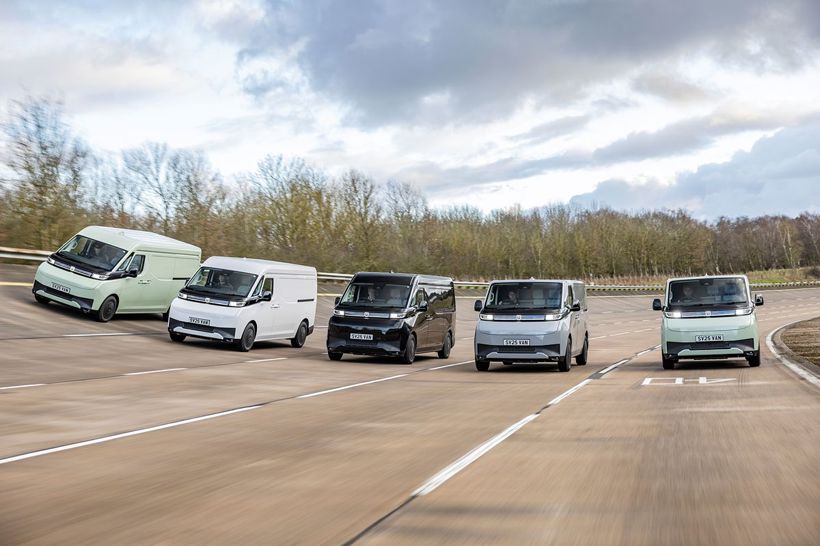
Black might not be the most practical colour for a hard-working trade vehicle, but a white option is available for those with more traditional tastes.
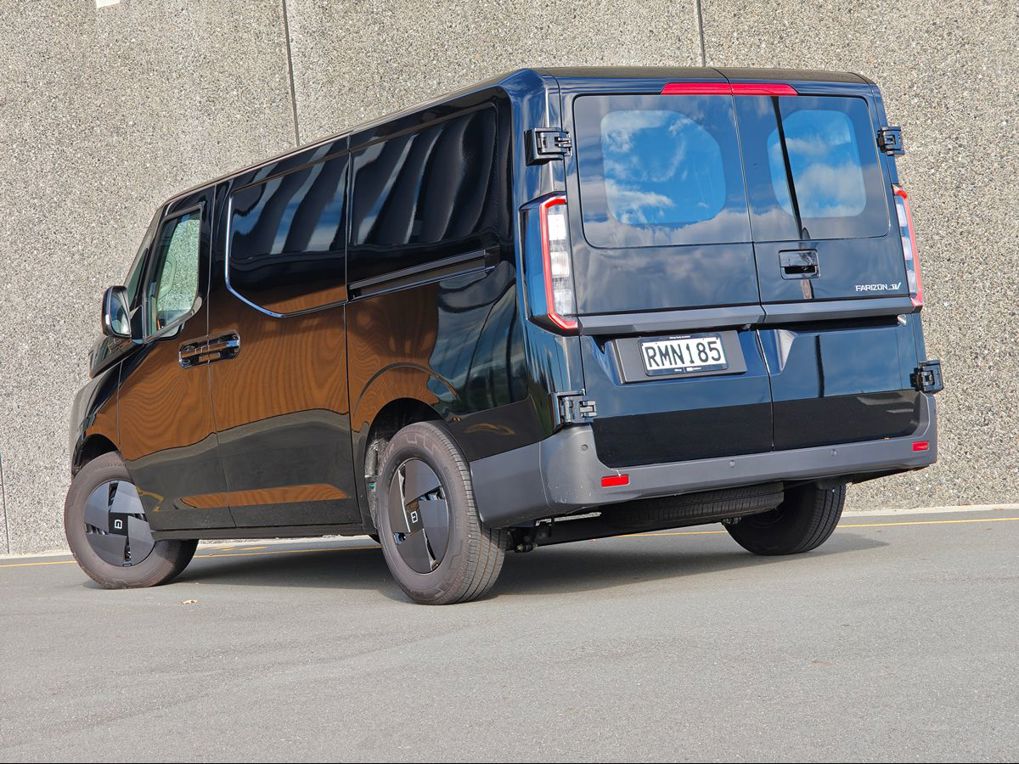
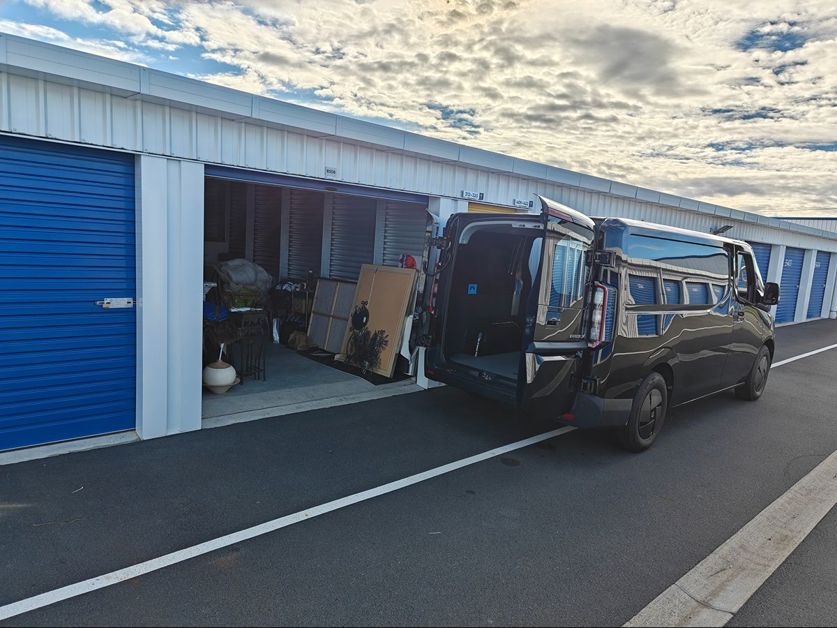
Distinctive frontal styling aside, functionally, the SuperVan what you'd expect from a van: it's a box on wheels, built for a specific purpose that allows for little in the way of artistic flair. As a result, the SuperVan features the expected barn doors at the rear, but interestingly, only a single sliding door on the passenger side is fitted to this model, which is a slightly less convenient configuration.
The ride is fantastic for a van; it's firm, as you'd expect from a vehicle designed to carry heavy loads and running high tire pressures, but it’s well-settled and composed.
The Farizon SuperVan may be a box on wheels built for the specific purpose of hauling as much as possible as easily as possible, but it does this with an unusual flair for its segment. Traditional vans are automotive wallpaper, where the Farizon stands out and turns heads - it does have competition in that regard though, as while we may be used to the Hyundai Staria now, other vans that push the styling boundaries are coming, the most obvious being the Kia PV5.
OVERVIEW
| Price | $72,990 |
| Body style | Van |
| Wheels and tyres | 16-inch steel wheels, 215/75 tyres |
| Length | 4990mm |
| Wheelbase | 3100mm |
| Weight | 2200kg |
| Website | Farizon.nz |
On the inside: what's the Farizon SuperVan's cabin like?
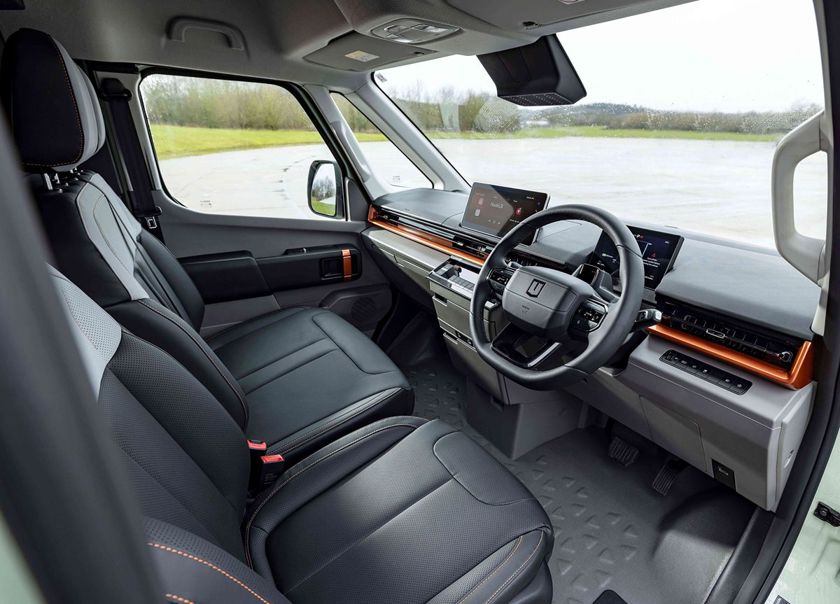
The SuperVan's interior is one of its most impressive aspects. While it's constructed from hard plastics, they feel robust, hard-wearing, and of good quality, while a splash of metallic bronze trim across the dashboard and door cards breaks up the monochrome and adds to the modern, almost premium ambiance.
The seats are a real highlight; though made of a synthetic leather-like material, they are exceptionally comfortable, soft, and beautifully padded, offering a surprising amount of support for van seats. Better still, they are both heated and ventilated—a real luxury in this segment.
The cabin is spacious, the driving position is excellent, and it’s easy to climb into - all important factors for something that a driver is likely to be spending a good part of their working day in - while clever storage solutions are everywhere, including a handy drawer atop the dash with integrated cup holders and a phone holder.
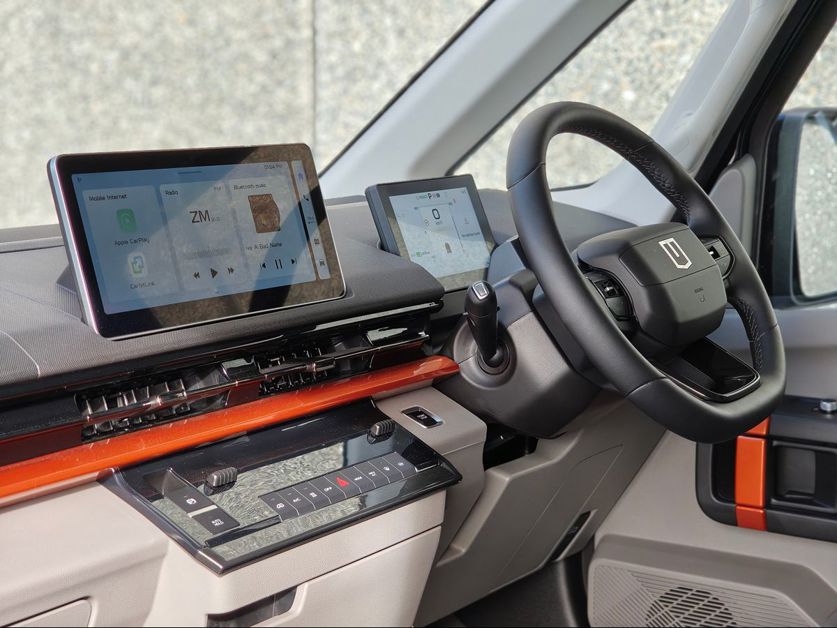
Thankfully, physical buttons for the heating and ventilation controls remain, which are far easier to use on the move than a touchscreen-only setup, while the central infotainment screen itself is minimalist and sensible, with large, clear icons.
INTERIOR
| Head-up display | No |
| Infotainment screen | 12.3 inches |
| Phone projection | Wireless Apple CarPlay |
| Wireless phone charger | No |
| USB ports | 1x USB-A and 1x USB-C |
| Climate control | Dual zone |
| Front seat heating/ventilation | Yes/Yes |
| Front seat adjustment | Manual |
| Cargo capacity | 6.95 cubic metres |
| Rear seat split/fold | N/A |
| Power tailgate | No |
On the road: what's the Farizon SuperVan like to drive?
Like its V7E sibling, he SuperVan is very good to drive, but with a more natural and direct steering feel than the steer-by-wire system in the V7E. This isn't thanks to any mechanical linkages here though, as the SuperVan is steer-by-wire as well, it's just got a more connected feel to it.
Engaging Sport mode noticeably livens things up considerably ... making standing start launches away from traffic lights rather hilarious.
The ride is fantastic for a van; it's firm, as you'd expect from a vehicle designed to carry heavy loads and running high tire pressures, but it’s well-settled and composed. Bumps from the rear are telegraphed into the cabin when empty, but it settles down nicely with even just a small load on board.
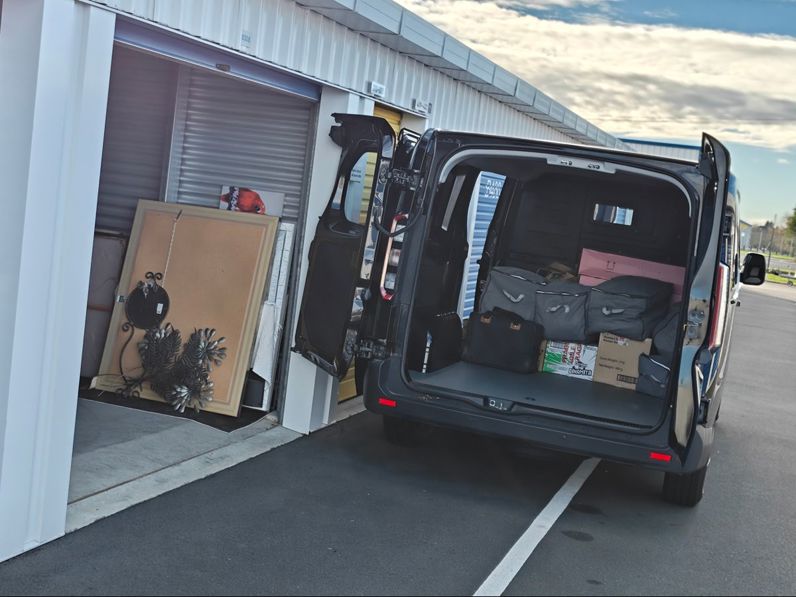
The electric motor provides smooth and responsive power, especially around town. It won't set any speed records and you need to pick your moments for overtaking on the open road, but it never feels underpowered. Engaging Sport mode noticeably livens things up considerably, however, making passing manoeuvres much easier, as well as making standing start launches away from traffic lights rather hilarious.
The SuperVan's Achilles' heel, however, is its driver assistance systems. While comprehensive, they can be overly intrusive, particularly the 'Intelligent Pilot' lane-centering system that feels underdeveloped, tugging at the wheel constantly and unnecessarily, while the adaptive cruise control doubles down on this over-cautious approach, slowing the van down uncomfortably in even slight bends. The standard adaptive cruise control, however, works very well, and you can just handle keeping it in between the white lines yourself, because the van will drive you mad if you let it try.
Like the Farizon V7E I reviewed a few months back, there was a faint but discernible high-frequency whine from the electric motor at open road speeds that may annoy some people, although having the stereo on - even at a low volume - easily masks it.
SPECIFICATIONS
| Powertrain type | Electric |
| Capacity or battery [delete one] | 83kWh |
| Power | 170kW |
| Torque | 336Nm |
| Transmission | Single-speed, FWD |
| Power to weight | 77.3 kW/tonne |
| Adaptive suspension | No |
| Efficiency | 24.4kWh/100km (3P-WLTP) |
| Range | 376km |
| Tow rating | 2 tonnes |
On ownership: what's the Farizon SuperVan's warranty and servicing situation?
The Farizon SuperVan comes with a comprehensive 5-year/150,000 km vehicle warranty, and a more extensive 8-year/200,000 km warranty for the battery. Service intervals are set at every 12 months or 30,000km, and the SuperVan also comes with 5 years of roadside assistance.
On the whole: what do we think of the Farizon SuperVan?
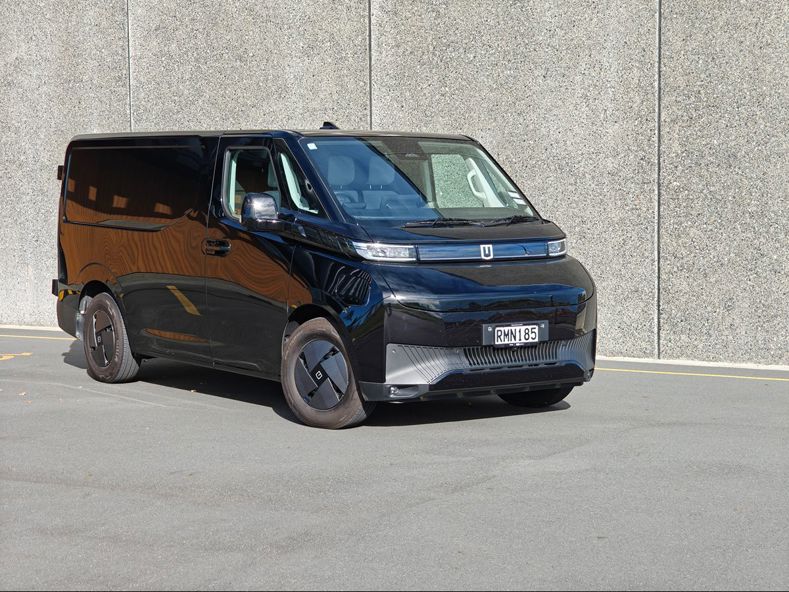
Overall, the Farizon SuperVan is a simply superb electric van. It looks fantastic, has a high-quality and exceptionally comfortable cabin, and is genuinely pleasant to drive. It feels like a significant step up in refinement and features for the van segment.
The main sticking point - aside from the overzealous lane assist and overly cautions adaptive cruise - is undoubtedly its price. At $72,990, it’s considerably more expensive than not only its V7E sibling, but also other electric vans entering the market - again, looking at that sharply-priced Kia PV5.
For a large fleet buyer, this may be a tough pill to swallow. However, for a small business owner or a sole trader who spends their entire day in their vehicle and values comfort, quality, and a premium feel, the SuperVan presents a very compelling choice; it’s a high-quality tool that also happens to be a genuinely nice place to spend your day in.
Farizon SuperVan FAQs
What kind of car is the Farizon SuperVan?
A fully-electric cargo van.
Does the Farizon SuperVan have hybrid or EV technology?
Yes, it is a BEV with an 83kWh battery.
What’s the energy economy of the Farizon SuperVan?
Farizon claims a combined average of 24.4kWh/100km for the SuperVan, a figure that it largely acheives in real world motoring, albeit unladen.
Is the Farizon SuperVan safe?
ANCAP awarded the SuperVan a Platinum rating, with an 84 percent crash avoidance score under its localised commercial van testing in 2024, while it also holds a 5 Star rating from Euro NCAP.
What safety and assistance features does the Farizon SuperVan have?
| Intelligent lights | Automatic LED with high beam assist |
| Rain sensing wipers | Yes |
| Airbags | Two |
| Adaptive cruise control | Yes |
| Driver attention monitor | Yes |
| Traffic sign recognition | Yes |
| Forward collision warning | Yes |
| Blind spot warning/assist | Yes/Yes |
| Lane departure warning/assist | Yes/Yes |
| Rear cross traffic alert/braking | Yes/No |
| Reverse collision braking | No |
| Parking sensors | Front and rear |
| Camera system | 360 degree |
What are the Farizon SuperVan main rivals?
- Toyota Hiace ZR ($59,990): Not an EV, but the default van. Smaller (6.2m3) capacity.
- Ford E-Transit Custom ($98,900): Smaller cargo capacity (6.0m3) but a much bigger price tag.
- LDV eDeliver Big ($69,990): Way bigger load space (9.7m3), but significantly lower quality.
- Kia PV5 Cargo ($64,990): Cheaper, but significantly smaller cargo capacity (4.42m3)
- Farizon V7E ($55,990): Roughy the same size as the smallest SuperVan (6.95m3), but cheaper...


