



What’s this new car all about then?
It is a fairly well-established fact by now that Chinese car names are, well, confusing, to say the least. A car that is sold under one name in a specific market may not be called that anywhere else. Indeed, another entirely different car from the same manufacturer may use that name somewhere else in the world, even if the two bear no relation to each other.
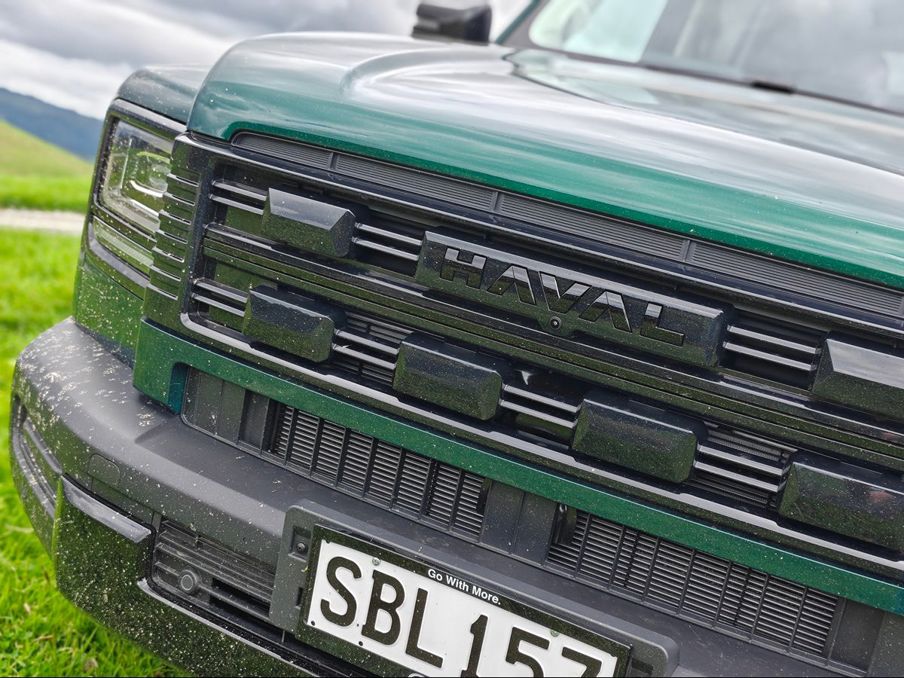
Such is the case with the GWM Haval H7. While we previously haven't had an H7 here in New Zealand, there was a Haval SUV called the H7 in Australia back 2018 that was based on the Chinese domestic market Haval H7L. Then there was another one in 2025 that was actually the Chinese market Haval Big Dog (which is still one of the best car names ever...), and now there is yet another one - and its available here this time - which is actually the Haval Raptor in its home market.
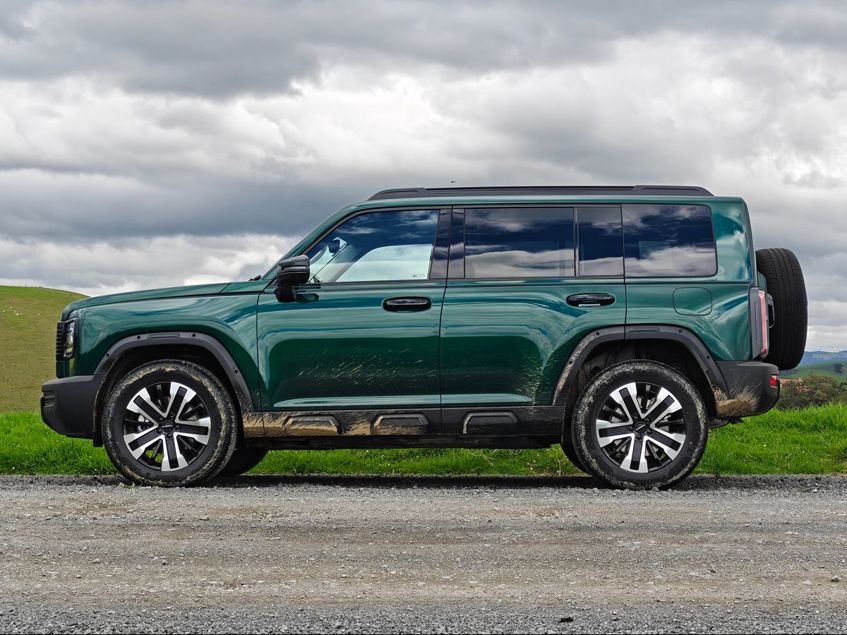
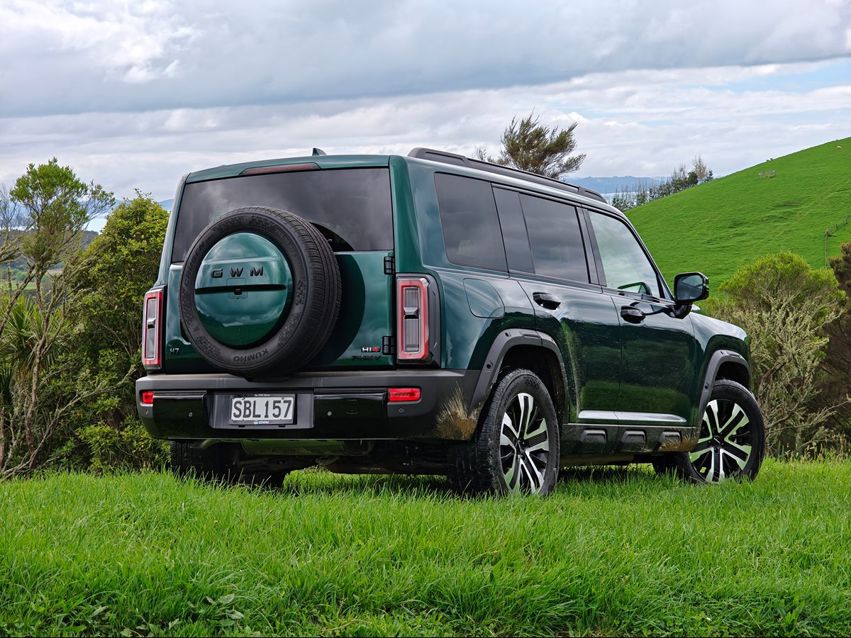
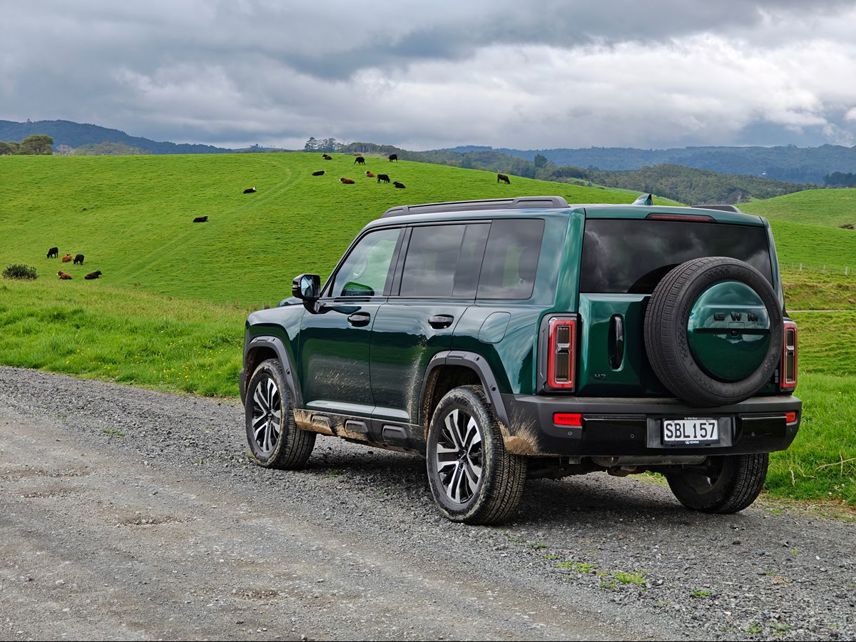
The reason for name change is rather obvious - Ford clearly wouldn't let fly here - and it ultimately doesn't matter in the slightest. It just makes it somewhat difficult to explain what your new car is to someone. Just go with "it looks like a mini Land Rover Defender!" and you'll be set though.
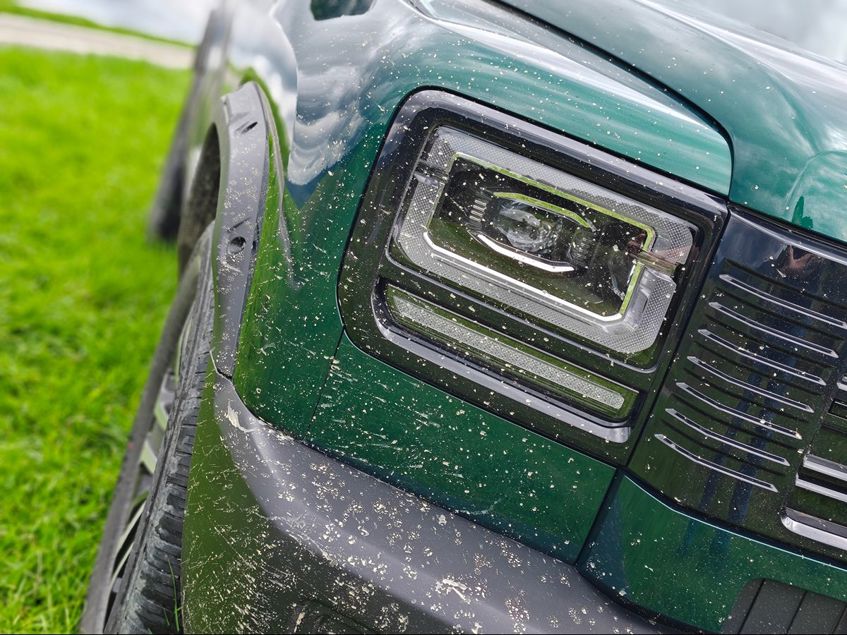
The H7/Raptor does, indeed, look rather like a Defender, particularly in profile (and even more so in H7L form that we don't get here), which means it is a handsome and distinctive medium sized SUV.
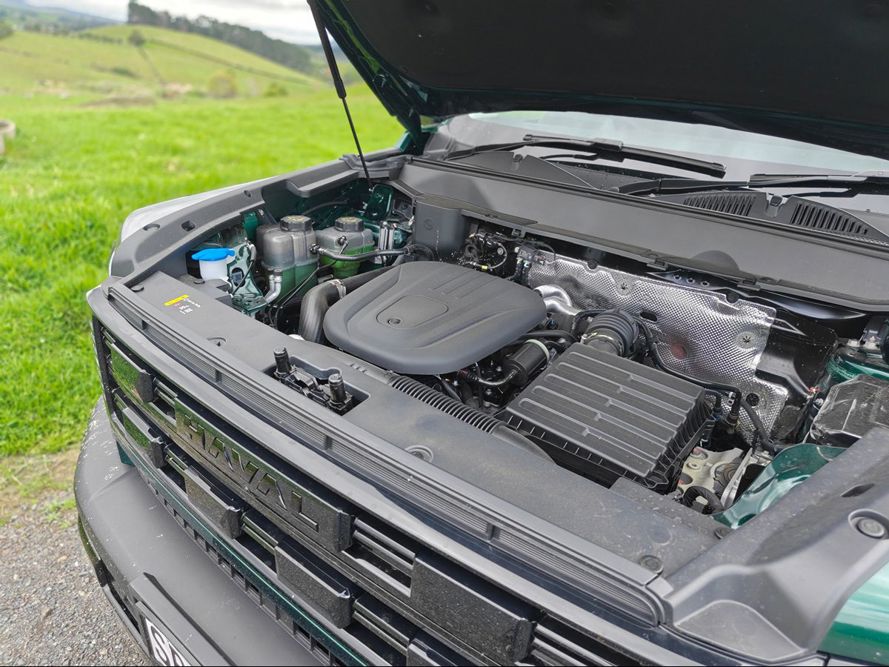
It occupies the middle ground between the Haval H6 (that it shares its platform with) and the ladder chassis Tank 300. Haval's Hi4 AWD powertrain is distinct from the Hi4-T underpinnings the Tank range and Cannon utes sit on, being a monocoque platform with transverse mounted petrol engines hooked up to a dedicated hybrid transmission (DHT) that comprises of a four-speed shifter and the front electric motor, as well as a second electric motor on the rear.
This means the Hi4 system is more of a conventional car/crossover SUV set up, as opposed to the Hi4-T's rugged ladder chassis/4X4 mechanicals, landing the H7 square in the most competitive segment of the new car market - that of the mid-size SUV.
The H7 launches in New Zealand in top-spec Vanta AWD form, both in hybrid and plug-in hybrid, with a FWD Lux hybrid coming before the end of the year. All variants are powered by a 1.5-litre petrol four-cylinder engine hooked up to a four-speed DHT driving the front wheels, with the AWD models getting an additional electric motor on the rear axle.
The AWD hybrid pumps out 182kW and 67Nm, which will propel the H7 to the open road speed limit in 7 seconds flat, while the PHEV packs a prodigious 320kW and 670Nm and will whip to the speed limit in 4.9 seconds. Outputs for the FWD hybrid have yet to be confirmed.
While the hybrid models use a 1.53kWh ternary lithium battery, the PHEV gets a much bigger 33.7kWh LFP battery and a claimed range of up to 137km.
How much is it?
While the Lux 2WD hybrid will kick off the H7 range at $49,990 when it arrives, for now the Vanta AWD hybrid is the entry point at $55,990, while the Vanta AWD PHEV tops the range at $61,990.
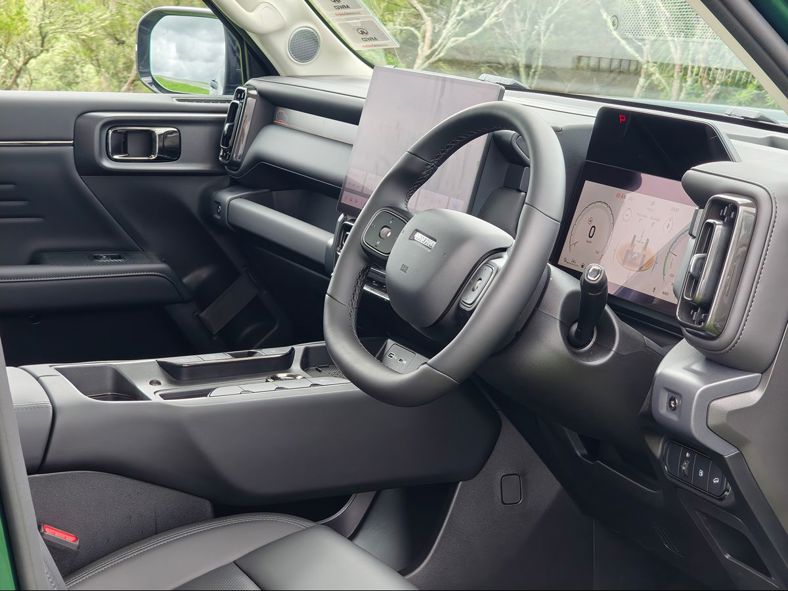
The Lux comes standard with a fairly comprehensive list of standard equipment, including 19-inch alloy wheels, a 12.3-inch digital cluster and a 15.6-inch infotainment touchscreen, keyless entry, automatic LED headlights with high beam assist, electrically adjustable front seats, a 360 degree camera, 7 airbags and a full suite of safety assists.
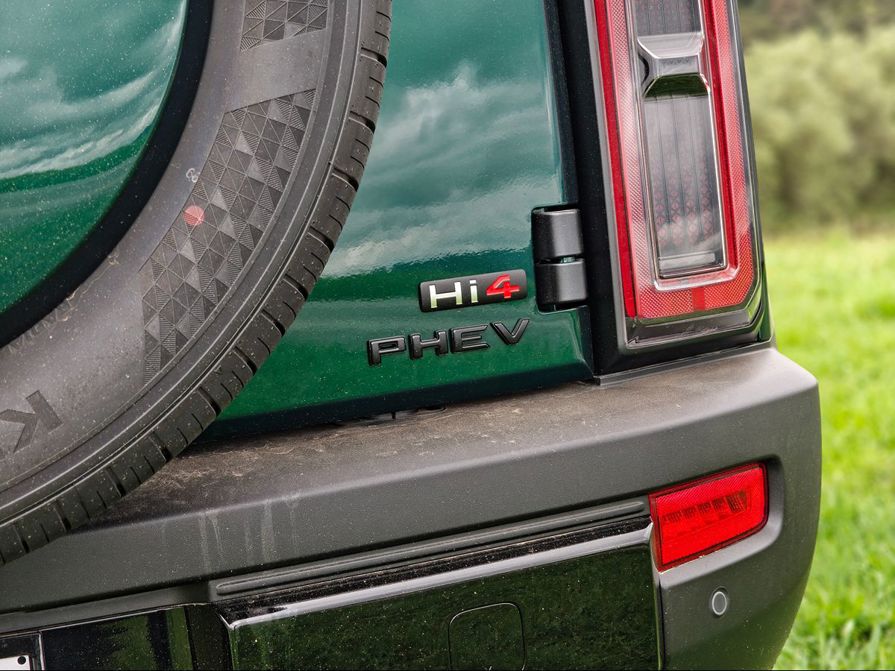
The Vanta AWD models up the spec content with a gloss black exterior trim package, black badging, a heated steering wheel, auto dimming rear view mirror, rear sun shades, heated and ventilated front seats, ambient mood lighting, rear privacy glass, a head-up display and a 10-speaker premium audio system.
The PHEV also obviously scores the larger battery, DC fast charging, V2L output and the big power and performance bump.
What's it like to drive?
On the road, the H7 offers up a solid, chunky four-wheel-drive feel that sits comfortably between the car-like H6 and the firmer ladder chassis Tank 300. The driving position is equally "truckish", with an upright seating position that offers a commanding view out over the wide, square bonnet.
The chassis is neutral and flat with minimal body roll through corners, gripping the road nicely and turning in sharply. The intentionally truckish nature of the chassis brings a slightly firm, brittle edge to the ride over rough surfaces, but it is an overall comfortable and pleasing experience.
While the steering feels somewhat artificial and distant in its feedback, it remains quick and accurate, and the powertrain is responsive, punchy and exceptionally quiet and refined, though the traction and stability control systems can intervene somewhat aggressively when exiting tight corners.
The PHEV is clearly the powerhouse of the pair, being nicely muscular when up and running, although its "super hybrid" nature does bring the traditional initial sluggishness of the line as the DHT sorts out where the power needs to both come from and go to.
GWM likes to say the H7 boasts a more convincing off-road package than other mid-size SUVs, and the inclusion of 8 drive modes (including 4WD, Snow, Sand, Mud and Towing modes) and a rear "locking diff" that locks the rear motor into play when heading off the sealed stuff does back that up to a degree, but we didn't get a chance to try this on the launch.
What’s the pick of the range?
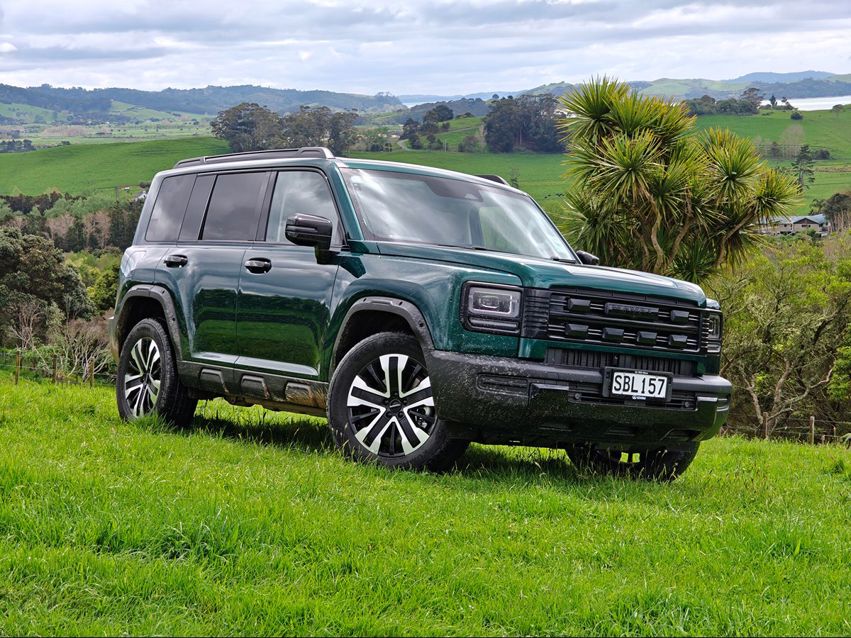
The Vanta AWD PHEV emerges as the clear pick of the range at this stage. Delivering a impressive on-road driving experience, it combines strong performance with generous equipment levels, genuine family-friendly space and those "Defender-lite" looks that work better with the Vanta's blacked-out exterior treatment, that comfortably justify its price premium over the standard hybrid model.
While the AWD hybrid still represents an impressively complete package for the money, it remains to be seen if the 2WD Lux can top that. On paper it doesn't lose a lot with its sharp sub-$50k price tag, so may well turn out to be the sleeper of the range when it gets here.
What other cars should I consider?
While there are plenty of options in the mid-size SUV segment, few offer up the same combination of sharp pricing and tough truck looks quite so convincingly.
The most obvious rival is the king of SUVs, the Toyota RAV4 that covers off the H7 range with FWD hybrid models ($50,990 to $54,990), AWD hybrid models ($54,990 to $65,990) and AWD PHEV models ($62,990 to $67,990), while also offering a 2WD PHEV model ($57,990) as well.
Likewise, the likes of the Nissan X-Trail ($39,990 to $58,990), Hyundai Tucson ($47,990 to $72,990), Mitsubishi Outlander ($43,990 to $85,590) and Honda CR-V ($44,990 to $75,000) offering a choice of ICE and hybrid options (and PHEV, in the case of the Mitsubishi) in FWD and AWD.


