


Honda is an engineering-led company that has, at times, produced some fabulous eco and performance cars, with some really clever features and technology. It's also a brand that plays fast and loose with the RS badge, in ways we cannot condone.
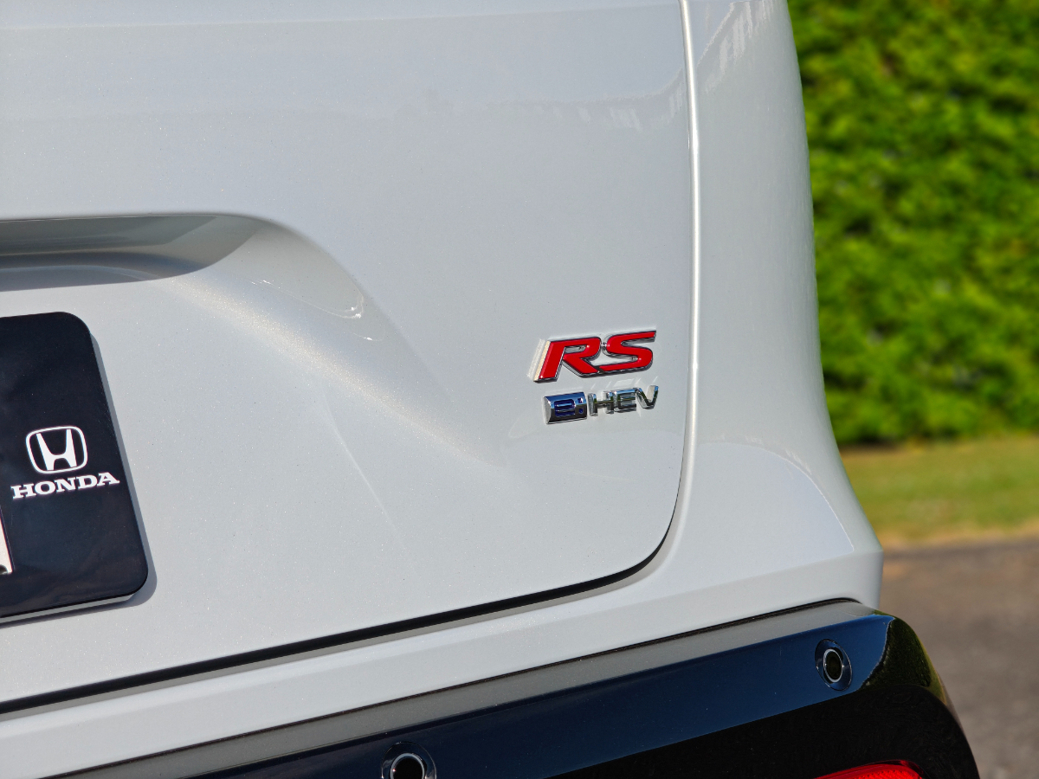
Which brings us to the revised HR-V range. Back in June, Honda New Zealand rejigged its HR-V lineup to go from one to three variants. The top $47,900 version is badged RS, even though there are absolutely no mechanical upgrades. It's all cosmetic.
Forget the RS badge. This car is really all about cargo cleverness and convenience.
Honda has form here. The Jazz RS is similarly standard, although it does at least have an extra Sport mode for the transmission and a slightly firmer suspension tune. None of that for the HR-V RS.
On the outside: what are the Honda HR-V RS's main design features?
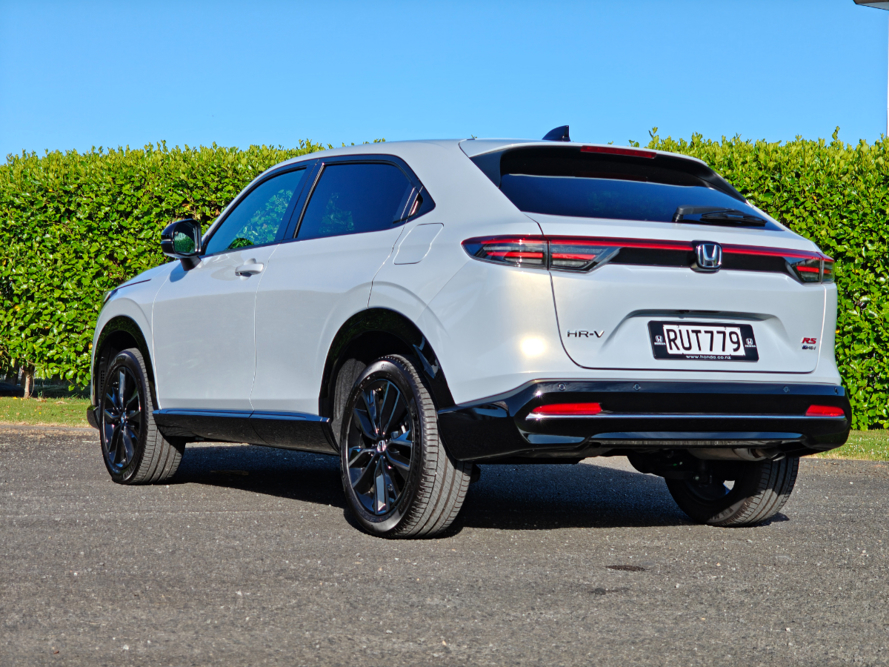
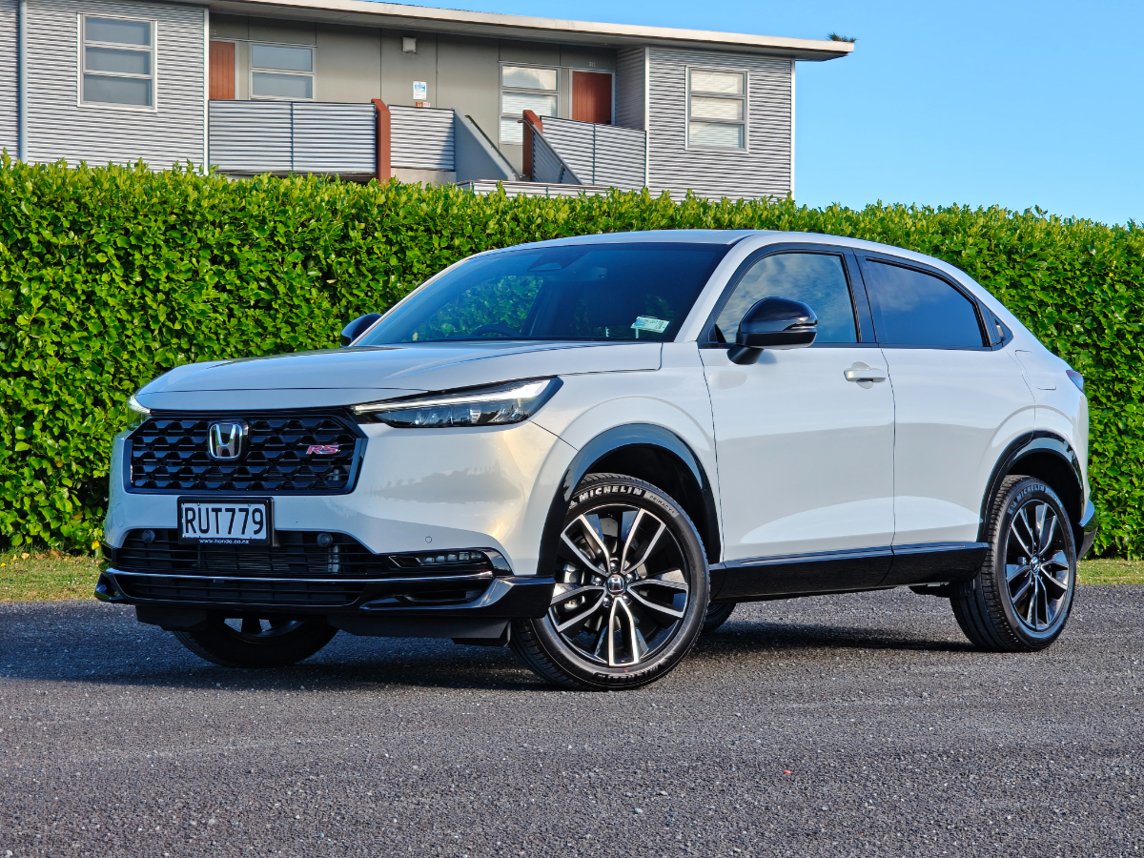
Familiar HR-V profile, but the RS gains a special grille with RS emblem, plus unique trim on the bumper and doors. And that's about it really, save a few trim changes inside (which we'll get to).
Our test car's colour is officially Platinum Opal White Silver Pearl, which is a lot of shades in one sentence. But it is a rather stunning finish that really sparkles in the sun.
OVERVIEW
| Price | $47,900 |
| Body style | 5-door compact SUV |
| Wheels and tyres | 18in alloy wheels, 225/50 Michelin Primacy tyres |
| Length | 4390mm |
| Wheelbase | 2610mm |
| Weight | 1390kg |
| Website | honda.co.nz |
On the inside: what's the Honda HR-V RS cabin like?
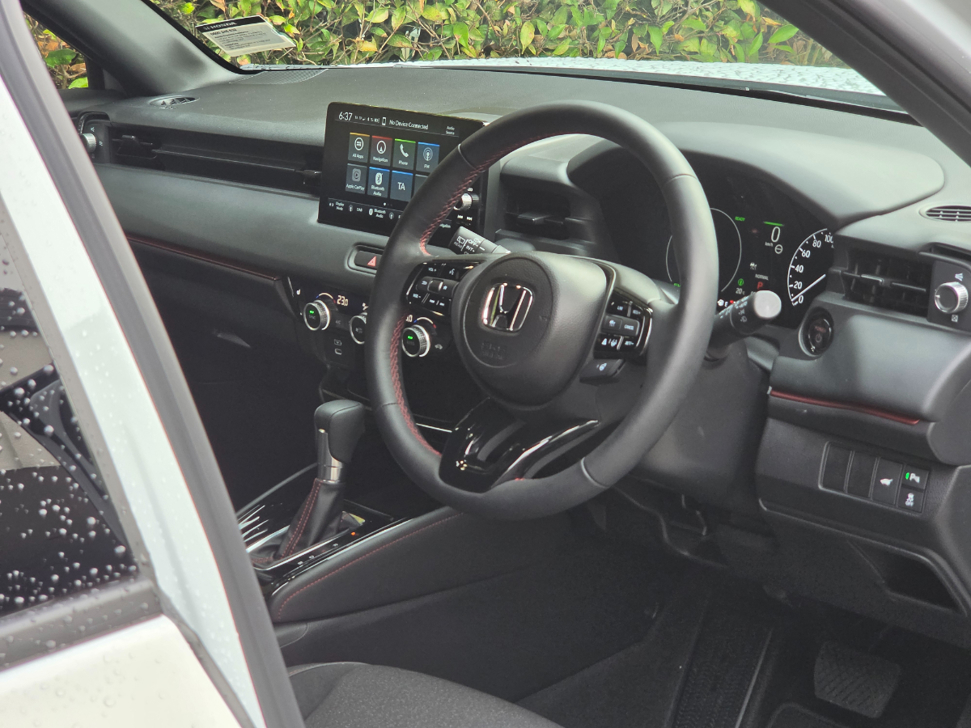
RS-specific stuff inside the HR-V includes red accents and red stitching, including the leather steering wheel wrap. And that's about it really, save the trim changes on the outside (which we've already covered).
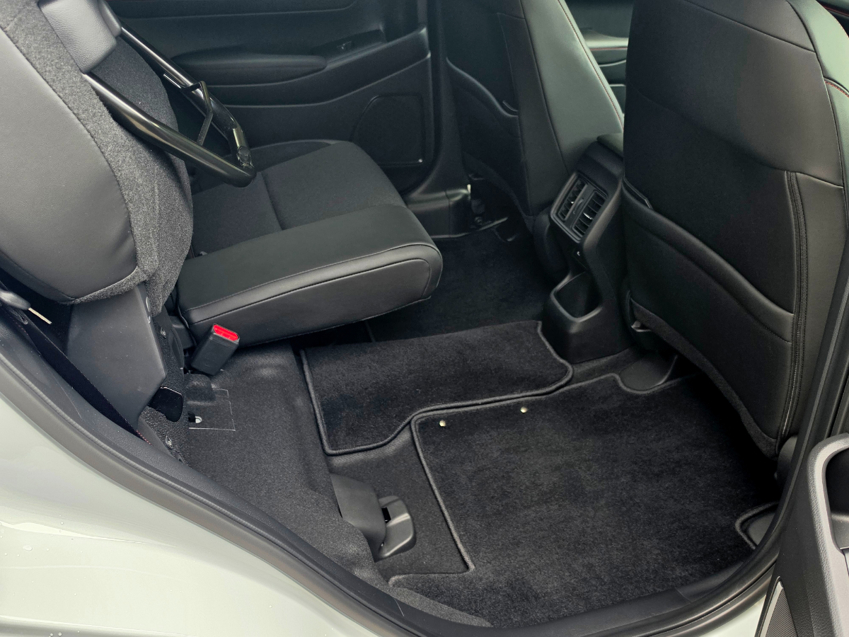
Magic Seat is familiar from Hondas of years gone by, but still staggeringly clever and useful.
In general, the dashboard is pleasantly traditional, with lots of physical buttons and a modest 9.0-inch infotainment screen, which offers wireless Apple CarPlay but still requires a cable for Android Auto.
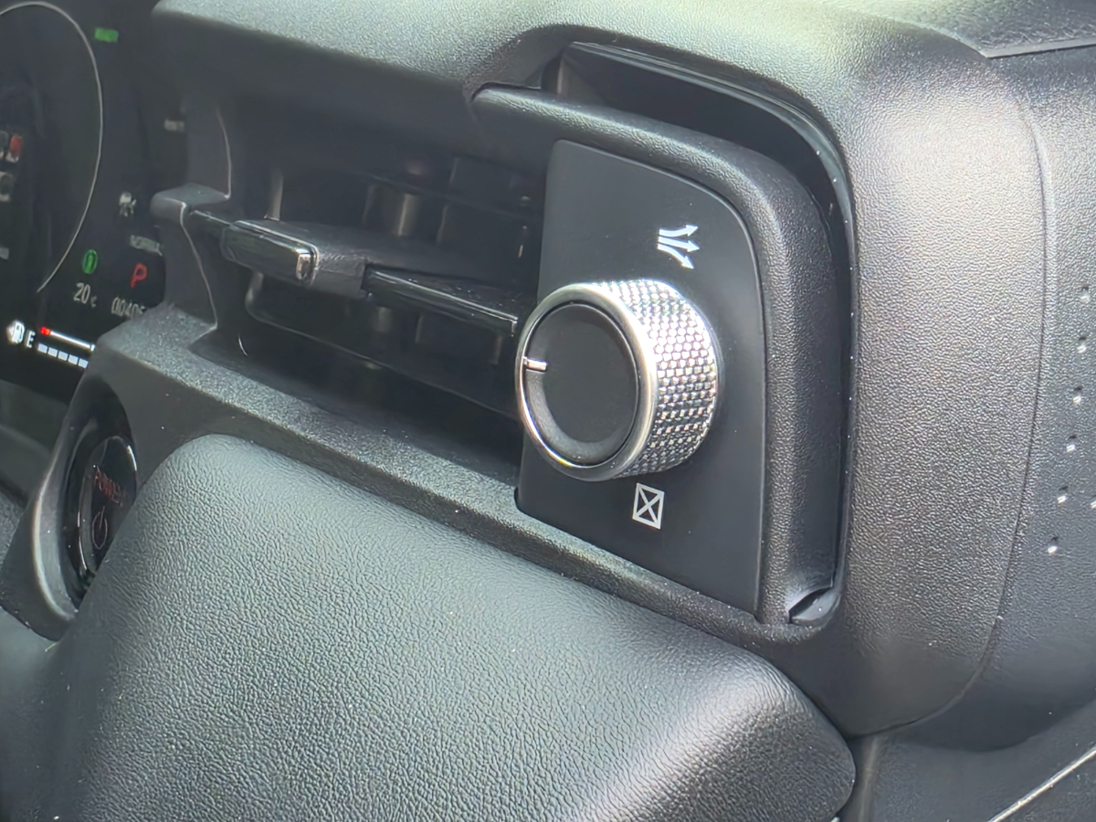
They're nice buttons, by the way, and you'll find a few novel switchgear features - like the twist air-con diffusers at the outer edges of the dashboard that can stop air blowing in your face or on your hands. You know, if you're an irritable-type person.
The HR-V does boast connected services: it's "live" with a SIM card embedded and owners can acces remote functions through a mobile phone app, including vehicle information and active services like engine start and remote unlocking.
Potentially very useful, although it has to be said we didn't have much luck with the basics. Several attempts to unlock the vehicle remotely were fruitless (at least according to the app) and a go at starting the engine with the vehicle in the driveway seemed to fail. At least until we walked past a few minutes later, long after we'd given up waiting, and it fired up.
We're prepared to put that down to being a new user on the vehicle - sometimes these services take a while to bed in. We've had the same issues with Toyota's connected services in the new RAV4.
In terms of packaging, though, the HR-V is on another level to most compact SUVs. The rear features the company's Magic Seat system, which allows you to tilt the seat squab up, fold the back totally flat or even lay the front-passenger chair down, to create Tall, Utility and Long configurations. It's familiar from Hondas of years gone by, but still staggeringly clever and useful.
The RS (and the LX, on which it's based) also has a hands-free tailgate. Forget the RS badge, it's really all about cargo cleverness and convenience, this car.
INTERIOR
| Head-up display | No |
| Infotainment screen | 9.0 inches |
| Phone projection | Wireless Apple Carplay, wired Android Auto |
| Wireless phone charger | No |
| USB ports | 1x USB-A (data) and 1x USB-C front, 2x USB-C rear |
| Climate control | Dual zone |
| Front seat heating/ventilation | Yes/No plus heated steering wheel |
| Front seat adjustment | Manual |
| Boot capacity | 319 litres |
| Rear seat split/fold | 60/40 plus Magic Seat configurations |
| Power tailgate | Yes, including walk-away close |
On the road: what's the Honda HR-V RS like to drive?
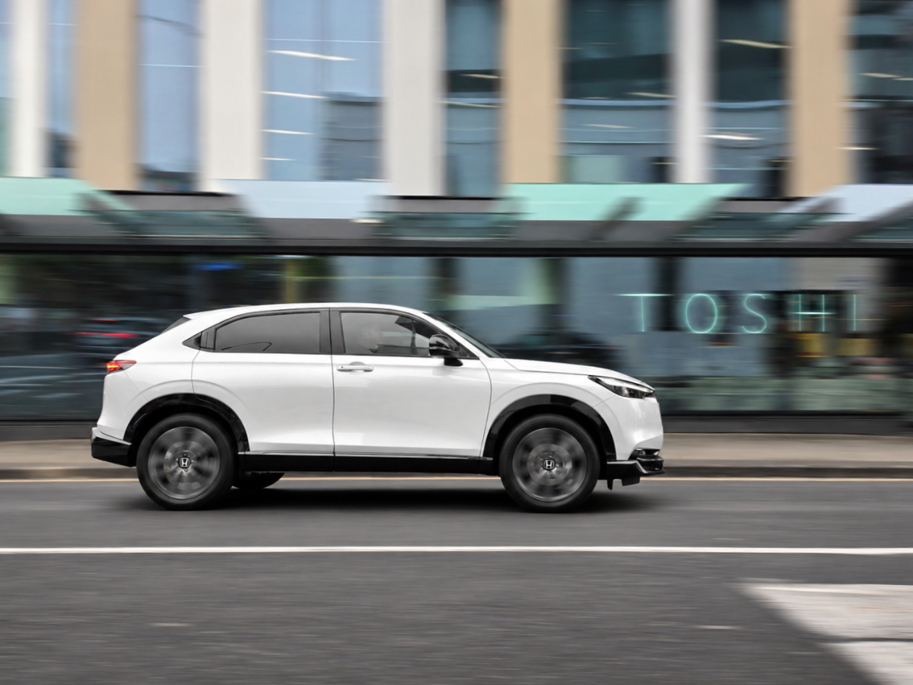
Here comes the clever techy stuff. Like the Jazz and CR-V, HR-V embraces Honda's e:HEV hybrid technology, which was basically the Japanese maker being clever with range-extender-type electrification long before Chinese brands stormed into the Kiwi market and acted all clever... about bringing range-extender-type electrification to market.
The HR-V is not super sporty (or even Rallye Sporty), but it certainly feels like a proper car.
No plug, of course. The petrol engine acts primarily as a generator, with the electric motor mostly driving the wheels. Sometimes the petrol engine runs directly to a motor-generator, which then drives the electric motor. Very occasionally, the petrol engine drives the wheels directly, mostly at higher speeds.
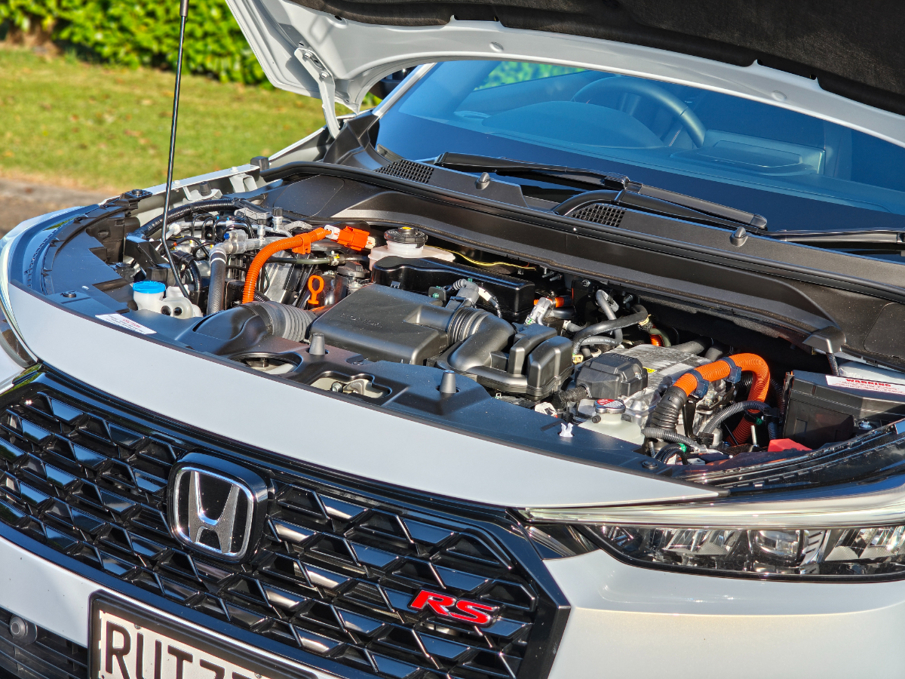
Hey, don't worry about it. Just drive and never mind those times when the engine is making weird noises that don't fit with the acceleration being achieved. It's just e:HEV doing its thing.
This is an astonishingly frugal little SUV, with an official figure of 4.3l/100km; we got 5.5l/100km during a week of running where we showed it very little mercy, including a motorway run from Auckland to Hampton Downs and back, which is the kind of driving that's not kind to hybrids.
It's pleasingly old-school in the way it serves up steering communication and a confident chassis feel through corners, too. It's not super sporty (or even Rallye Sporty), but it certainly feels like a proper car.
SPECIFICATIONS
| Powertrain type | Petrol 4-cylinder with e:HEV hybrid system |
| Capacity | 1497cc |
| Power | 78kW (engine), 96kW (motor) |
| Torque | 127Nm (engine), 253Nm (motor) |
| Transmission | Continuously variable, FWD |
| Adaptive suspension | No |
| Efficiency | 4.3l/100km (3P-WLTP) |
| Tank size, fuel type | 40 litres, 91 octane |
| Tow rating | 800kg |
On ownership: what's the Honda HR-V warranty and servicing situation?
The vehicle is covered for 5 years/unlimited km, with separate 8-year/160,000km warranty for the e:HEV battery.
Servicing is required every 12 months/15,000km. Honda NZ offers 3 or 5-year service plans, priced at $1699 and $2999 respectively.
On the whole: what do we think of the Honda HR-V RS?
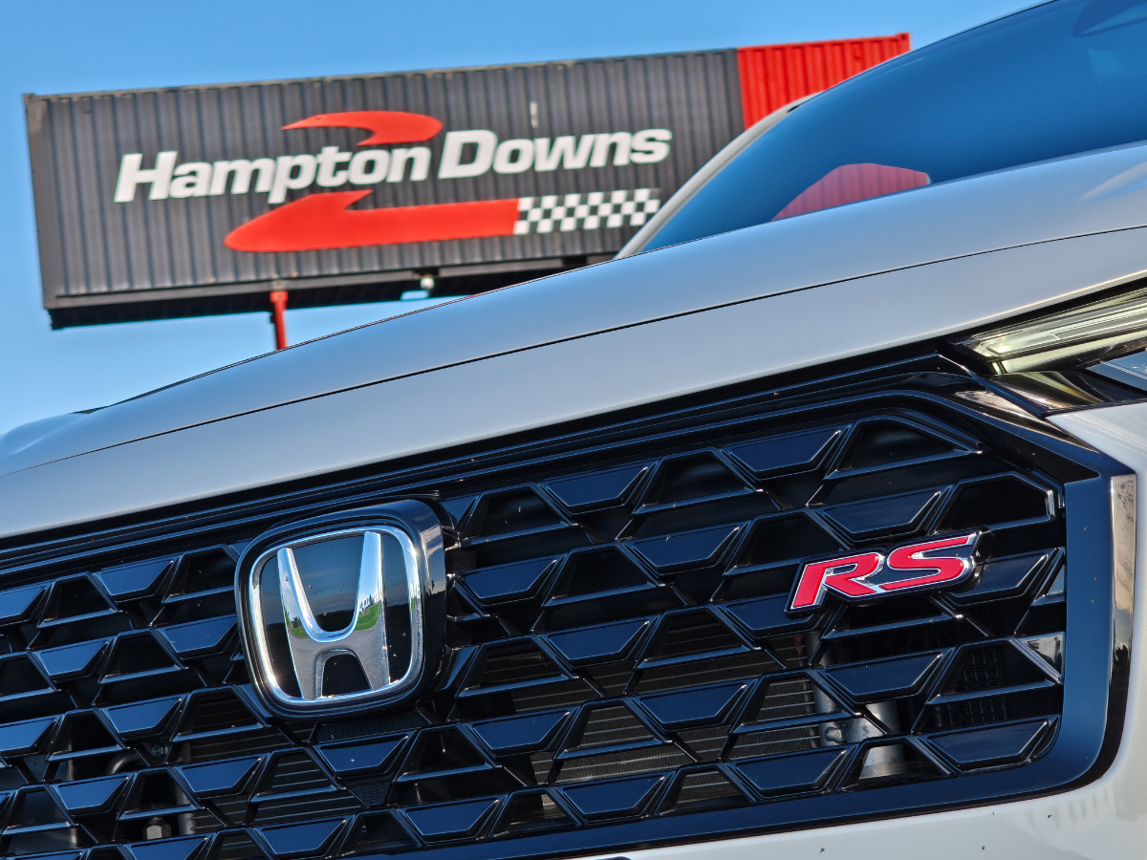
Looks past the RS badge and the HR-V remains a throughly competent and astonishingly practical small SUV. The company's hybrid technology still stands out as innovative and effective.
In fact, it's quite easy to look past the RS badge because you can buy what's essentially one of these sans the badging and extra trim for $45,800. It's called the HR-V LX. Get one of those.
Honda HR-V RS FAQs
What kind of car is the Honda HR-V?
A compact 5-door SUV.
Does the Honda HR-V have hybrid or EV technology?
It's a full hybrid with proprietary e:HEV technology.
What’s the fuel economy of the Honda HR-V RS?
It's rated for 4.3l/100km under NZ's 3P-WLTP protocol.
Is the Honda HR-V safe?
It has a 4-star ANCAP rating, valid until 2028. At the time of testing (2022), it fell just short of the scores needed to earn 5 stars in two catgeories: Child Occupant Protection and Safety Assist.
What safety and assistance features does the [car name] have?
| Intelligent lights | LED with active cornering |
| Rain sensing wipers | Yes |
| Airbags | Dual front and side, curtain |
| Adaptive cruise control | Yes |
| Driver attention monitor | No |
| Traffic sign recognition | Yes |
| Forward collision warning | Yes |
| Blind spot warning/assist | Yes/no |
| Lane departure warning/assist | Yes/yes |
| Rear cross traffic alert/braking | Yes/no |
| Reverse collision braking | No |
| Parking sensors | Front and rear |
| Camera system | Reversing with 3 angles and dynamic guidelines |
What are the Honda HR-V RS's main rivals?
- Peugeot 2008 GT hybrid ($49,990): Peugeot's small SUV is super-thrifty and great to drive.
- Toyota Corolla Cross GR Sport hybrid ($54,990): GR-branded Corolla Cross does actually have mechanical upgrades. Bigger and more expensive, though.
- MG ZS Esssence Hybrid+ ($38,990): Top-specification ZS has "Hybrid+" technology quite similar to the Honda.
- Haval H6 Ultra HEV AWD ($47,490): Jazz RS money gets you a Haval hybrid a whole size up, with AWD.
- Honda Jazz RS e:HEV ($36,700): If you want an RS-flavour Honda, consider the Jazz. Smaller and lower, but appealing even more clever.


