



The Polestar 3 is a car that defies easy categorisation. It is, on paper, a large luxury electric SUV, but there is something rather more interesting going on underneath that broad, stylish bodywork.
Polestar's origins aren't in SUVs, or even electric cars, but in making Volvos go faster. The company began life as a Swedish racing team in 1996 before becoming Volvo's performance and tuning arm, eventually evolving into the standalone EV brand it is today.
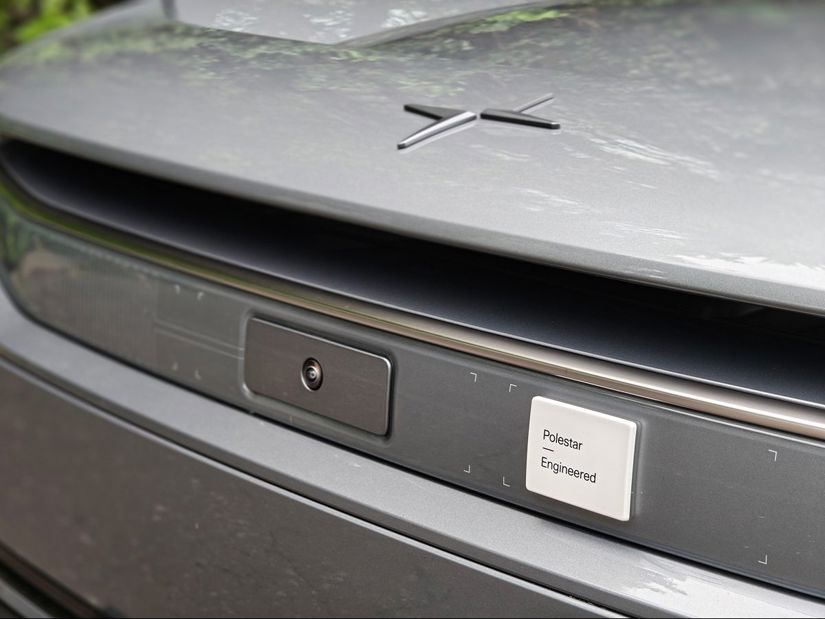
That racing heritage still matters. Polestar's modern philosophy is built around the idea that performance is about the whole car - its chassis, steering, brakes, power delivery and balance - rather than simply chasing big power figures. But it still does those too.
The 3 is the biggest example of that philosophy in SUV form. It sits above the Polestar 2 and alongside the Polestar 4 in the company's line-up, taking the brand into the fiercely competitive luxury SUV market.
It is also a product of the enormous Geely automotive family. Underneath its distinctive bodywork sits Geely and Volvo engineering, including the SPA2 architecture shared with the Volvo EX90, along with plenty of shared technology, safety systems and electrical know-how. Yet Polestar has taken those familiar ingredients and attempted to cook something rather different.
And that is perhaps what makes the 3 so fascinating - it has the practicality and comfort expected of a luxury SUV, the technology and engineering resources of the Geely-Volvo empire, and the performance mindset of a company that started out chasing racing trophies.
At $174,900, it also finds itself in an interesting part of the market: expensive enough to be properly premium, but promising the sort of performance that can make much more exotic machinery look rather less appealing.
So, does this unusual combination actually work? After spending time behind the wheel, I reckon it might be one of the most convincing things Polestar has built yet.
On the outside: what are the Polestar3 Performance's main design features?
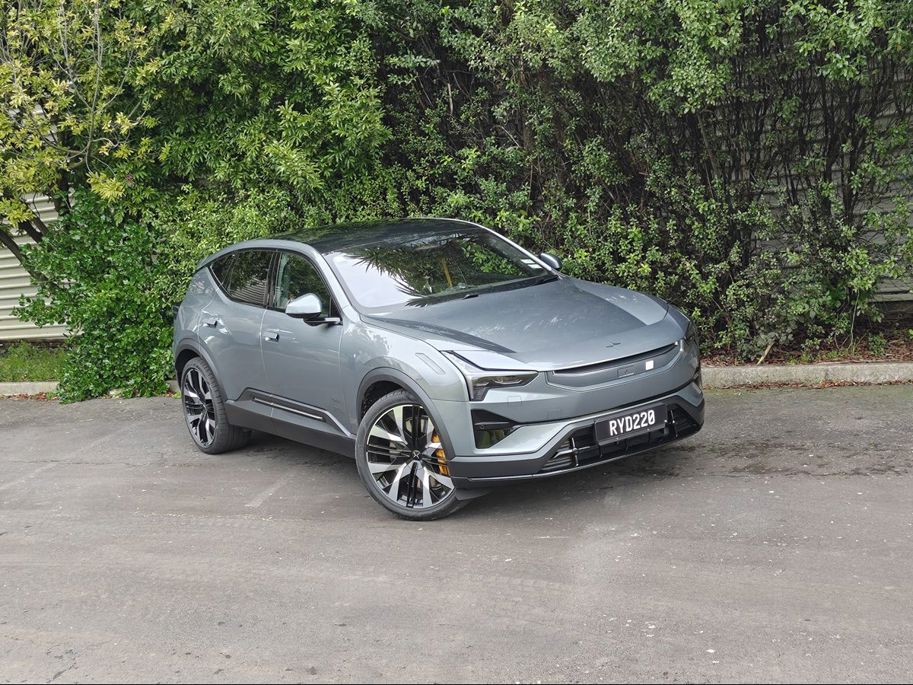
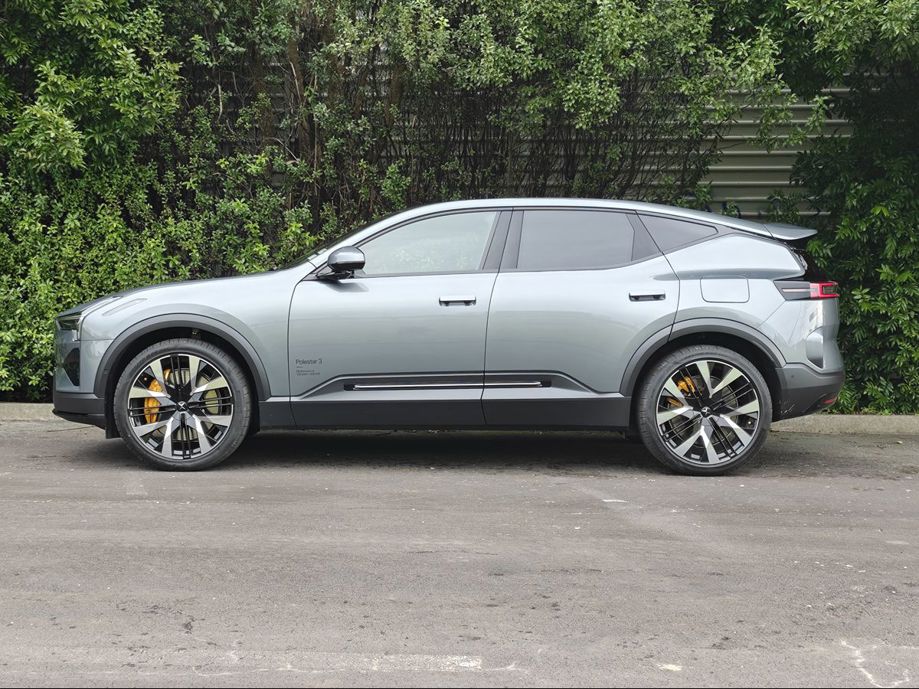
Visually, the Polestar 3 is nothing short of stunning. It walks a fine line between a shooting brake-style wagon and an SUV, boasting a relatively high ride height but countering it with a low roofline and a long, wide stance. It's a design that could easily pass for a futuristic wagon with just a little imagination.
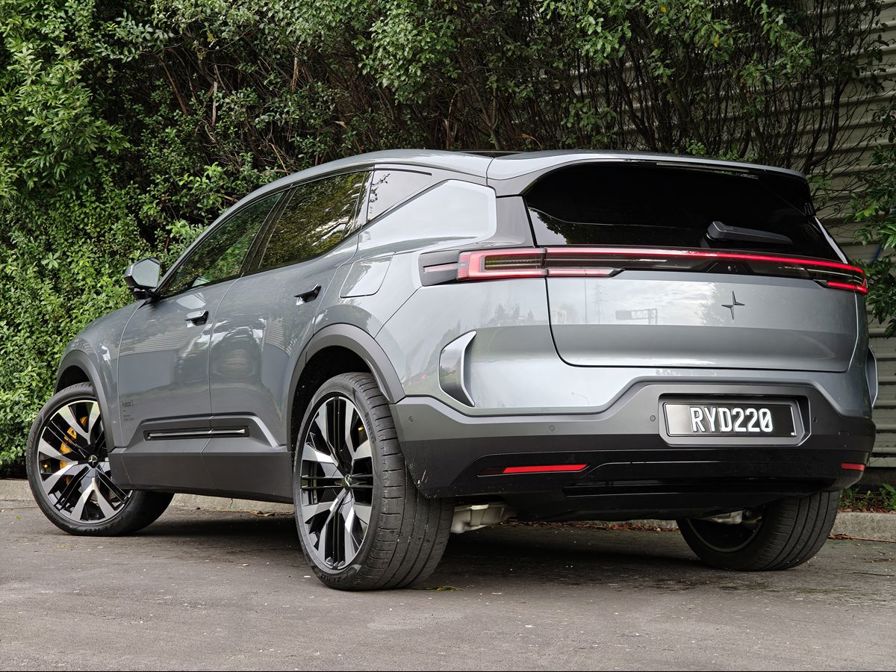
The front end is dominated by the striking and distinctive "Dual-blade" headlights, a clear nod to its Volvo heritage but executed with a sharper, more aggressive edge. However, it's the view from the rear that truly startles; the enormous haunches and incredibly wide tyres give it the muscular presence of a modern hot rod.
Honestly, there's very little to criticise here, certainly to my eyes. The design is cohesive, confident, and just plain good-looking.
OVERVIEW
| Price | $174,900 |
| Body style | 5-door SUV |
| Wheels and tyres | 22 inch alloy wheels, 265/40 front and 295/35 rear tyres |
| Length | 4900mm |
| Wheelbase | 2985mm |
| Weight | 2525kg |
| Website | polestar.com/nz |
On the inside: what's the Polestar3 Performance's cabin like?
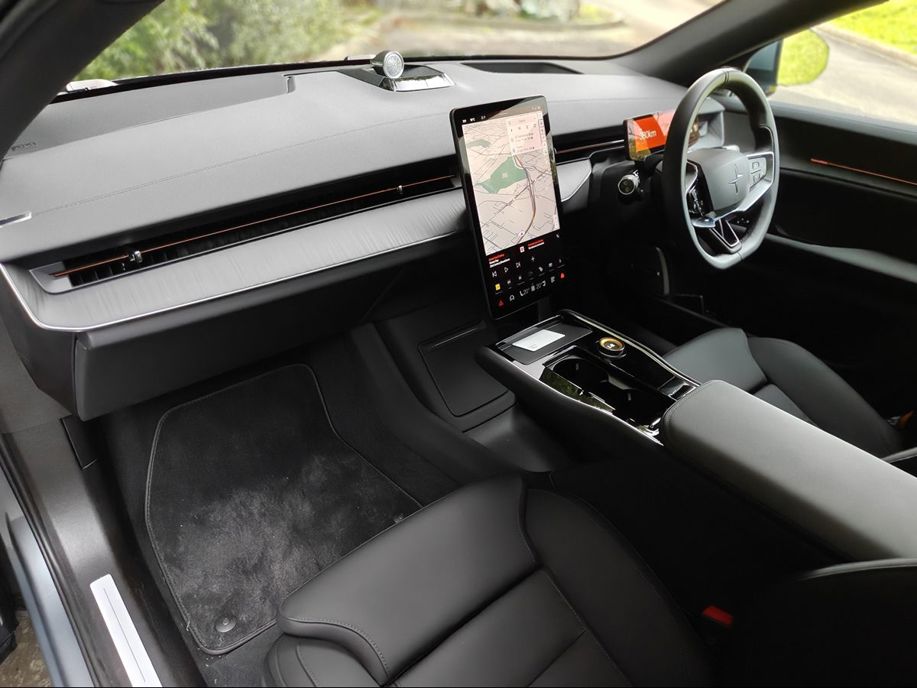
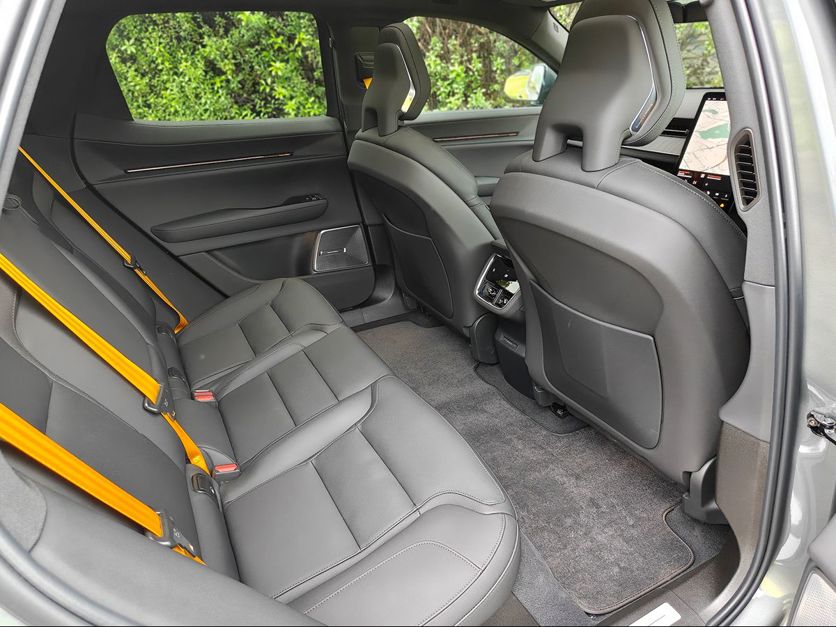
Stepping inside, the cabin is - like all Polestar vehicles - an exercise in superb, restrained minimalism.
The interior is a sea of high-quality materials, and everything feels gorgeous to the touch. It's a space that feels superbly made and exceptionally premium. The seats are a particular highlight, being ridiculously comfortable and offering a vast range of adjustment to find that perfect driving position.
Tech-wise, the centrepiece is a large, logically laid-out central touchscreen that handles almost all of the car's functions. If you're someone who needs a button for everything, you might struggle here; physical controls are limited to a volume knob on the centre console and haptic-touch surfaces on the steering wheel.
The Polestar 3 now includes Android Auto connectivity, which is somewhat superfluous given its Android Automotive operating system that essentially behaves in the same way. It's nice to have options, but don't try and connect Android Auto if you have signed into the car with your Google account, as it becomes very confusing, very quickly as the two almost identical looking interfaces compete for your attention.
The brakes are monstrous, it carries immense speed through corners, and you can get on the power incredibly early on exit.
It is also somewhat complicated and temperamental to fully set yourself up in the OS, but once you have everything set it becomes wonderfully simple and intuitive to use the infotainment system.
INTERIOR
| Head-up display | Yes |
| Infotainment screen | 14.5 inches |
| Phone projection | Wireless Apple CarPlay and Android Auto |
| Wireless phone charger | One |
| USB ports | 2x USB-C front, 2x USB-C rear |
| Climate control | Three-zone |
| Front seat heating/ventilation | Yes/Yes |
| Front seat adjustment | 10-way power adjustable driver and passenger |
| Boot capacity | 484 litres with 90 litres underfloor and a 24 litre frunk |
| Rear seat split/fold | 60/40 |
| Power tailgate | Yes |
On the road: what's the Polestar3 Performance like to drive?
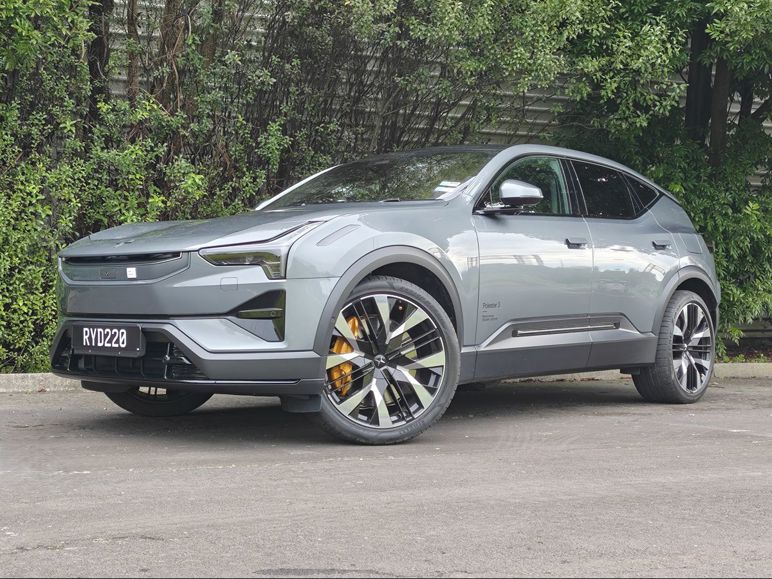
On the road is where the Polestar 3 truly shines. In its default settings, it is a superbly comfortable and compliant daily driver with a beautiful ride and virtually no body roll. It's just a genuinely pleasant car to be in.
But when you start tinkering with the settings for suspension, steering and power delivery, it transforms into an absolute monster of a distance devourer. With the Performance model on test offering 500kW and a 0-100km/h time of 3.9 seconds, the acceleration is insane. Yet it's a measured and insistent power delivery, never feeling unpleasantly violent.
Point-to-point on a winding road, you would be hard-pressed to find a quicker car for the money.
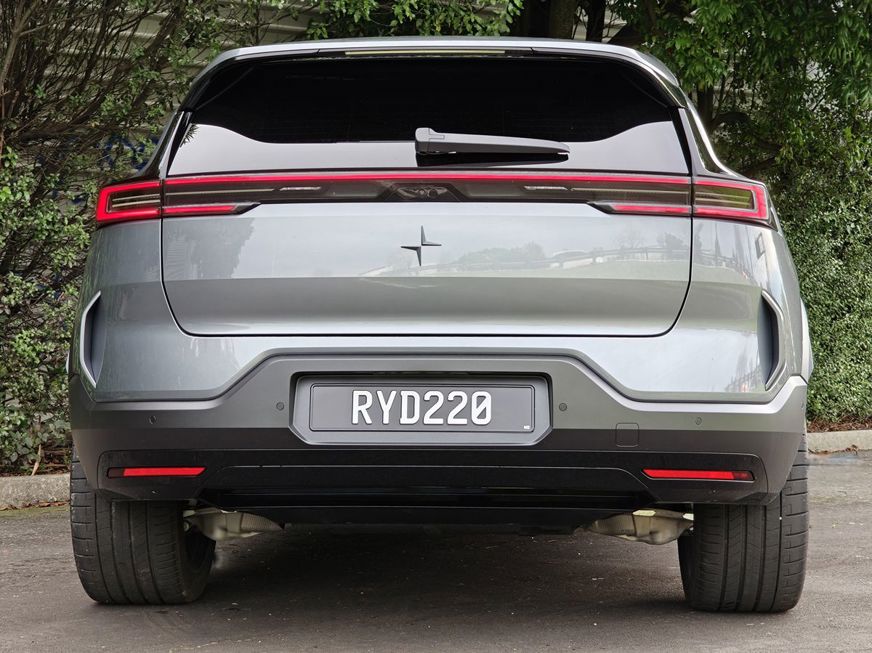
The brakes are monstrous, it carries immense speed through corners, and you can get on the power incredibly early on exit. For a vehicle this big and heavy, with a battery of more than 100kWh, its sharpness and responsiveness are startling. The Performance model weighs more than 2.5 tonnes, making its agility all the more impressive
The Polestar 3 is a superb luxury vehicle and a frighteningly fun car to drive on a challenging road. It's a package that feels incredibly special.
It's never harsh like a dedicated sports car, always maintaining the composure of a comfortable grand tourer, but it's brutally, brutally good. The driver aids are all present and well-calibrated, doing their job effectively without being intrusive, something that could easily have ruined the Polestar 3's superb balance in every other aspect.
SPECIFICATIONS
| Powertrain type | Electric |
| Battery | 106kWh |
| Power | 500kW |
| Torque | 870Nm |
| Transmission | Single-speed, AWD |
| Power to weight | 192 kW/tonne |
| Adaptive suspension | Yes, dual-chamber active air suspension |
| Efficiency | 23.1kWh/100km (3P-WLTP) |
| Range | 601 km |
| Tow rating | 2.2 tonnes |
On ownership: what's the Polestar3 Performance's warranty and servicing situation?
The Polestar 3 comes with a 3-year vehicle warranty, an 8-year/160,000km battery warranty and complimentary roadside assistance. The battery warranty also covers the battery if its state of health drops below 70 per cent of its original capacity during that period. Service intervals are every 2 years or 30,000km.
On the whole: what do we think of the Polestar3 Performance?
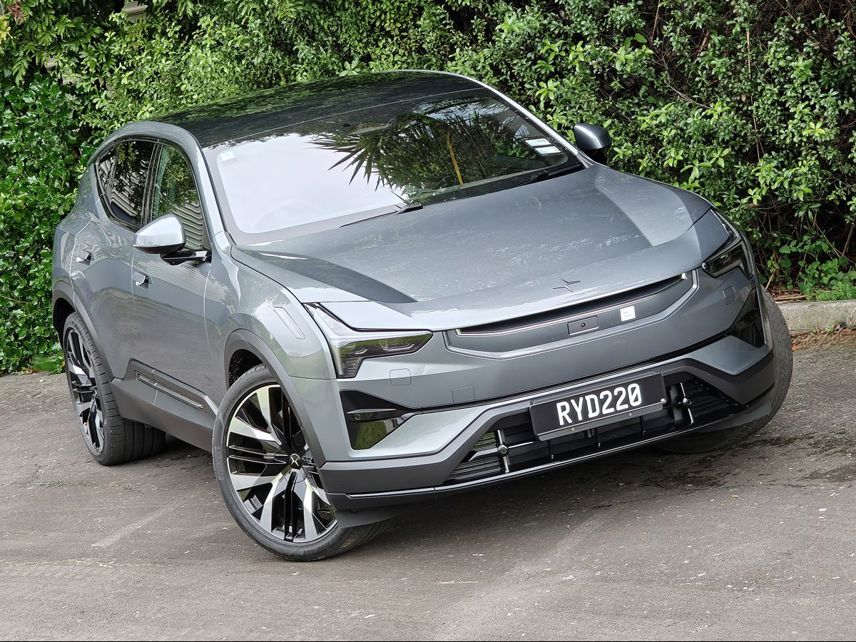
I absolutely adore this car. The Polestar 3 is a superb luxury vehicle and a frighteningly fun car to drive on a challenging road. It's a package that feels incredibly special.
Yes, on narrow New Zealand country roads, you are always aware of its sheer size and presence, but it never feels big, heavy, or unwieldy from behind the wheel. When you factor in the awesome stereo with its fantastic Abbey Road Studios Mode, it's just a brilliant place to be.
It's genuinely difficult to find real negatives; any minor initial frustrations with the infotainment do fade with familiarity, and for $175,000, it's hard to imagine getting much more car for your money, regardless of whether it's powered by petrol or electricity.
It's a fantastic achievement.
Polestar 3 Performance FAQs
What kind of car is the Polestar 3 Performance?
A large luxury electric SUV.
Does the Polestar 3 Performance have hybrid or EV technology?
It is a fully electric vehicle, with rear-wheel-drive and all-wheel-drive versions available.
What’s the energy economy of the Polestar 3 Performance?
Official WLTP energy consumption for the Polestar 3 Performance on the largest wheel option is 23.1kWh/100km.
Is the Polestar 3 Performance safe?
The Polestar 3 has a 5 Star ANCAP safety rating, tested in 2025, with the rating applying to all variants. It has nine airbags as standard.
What safety and assistance features does the Polestar 3 Performance have?
| Intelligent lights | Active LED |
| Rain sensing wipers | Yes |
| Airbags | 9 |
| Adaptive cruise control | Yes |
| Driver attention monitor | Yes |
| Traffic sign recognition | Yes |
| Forward collision warning | Yes |
| Blind spot warning/assist | Yes/Yes |
| Lane departure warning/assist | Yes/Yes |
| Rear cross traffic alert/braking | Yes/Yes |
| Reverse collision braking | Yes |
| Parking sensors | Yes |
| Camera system | 360 degree |
What are the Polestar 3 Performance's main rivals?
- Volvo EX90 Ultra ($159,990): shared platform, but with a more traditional SUV look.
- Porsche Macan Electric GTS ($209,400): not as powerful, but as fast. Also more expensive.
- BMW iX xDrive45 ($169,900): no hot version anymore, so its well down on performance.
- Cadillac Lyriq V ($TBA): not here yet, but promises to be faster and, quite possibly, cheaper.
- Lotus Eletre 600 ($189,900): part of the Geely family, but uses different underpinnings for similar results.


