



In the automotive world, concept cars often stun on the auto show floor with radical shapes and clever ideas, only to prove rather less convincing once you actually have to live with one. Folding phones have occupied much the same territory for years.
They offered a tantalising glimpse of the future, but often came with narrow cover screens, chunky bodies and enough usability compromises to make you wonder whether the future was really worth it.
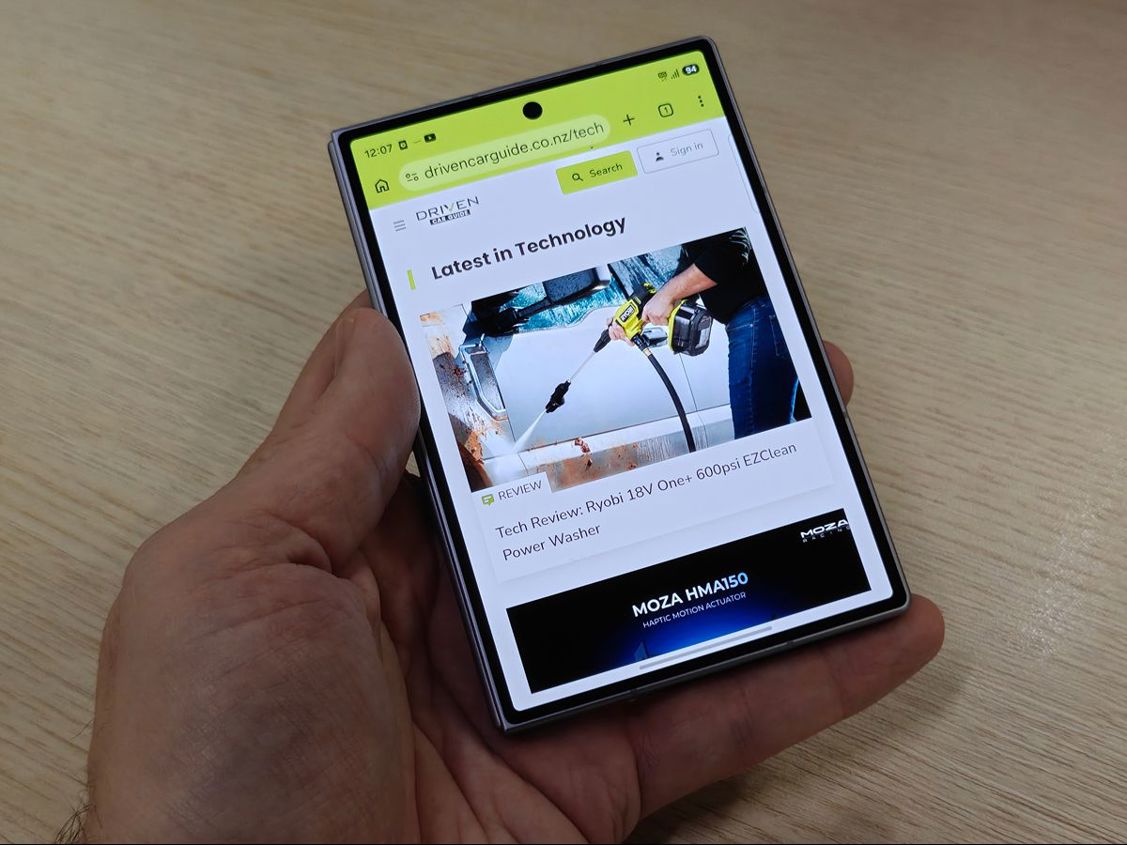
After a few weeks with the new Galaxy Z Fold8, however, it feels like Samsung has finally figured out the bit that matters: making a folding phone that is actually pleasant to live with.
The biggest change is the shape. The Z Fold8 abandons the tall, skinny proportions of previous generations - and its Z Fold8 Ultra sibling - in favour of something much squatter and more useful. Folded, it measures 124mm by 82mm and weighs just 201 grams, making it the lightest book-style foldable around.
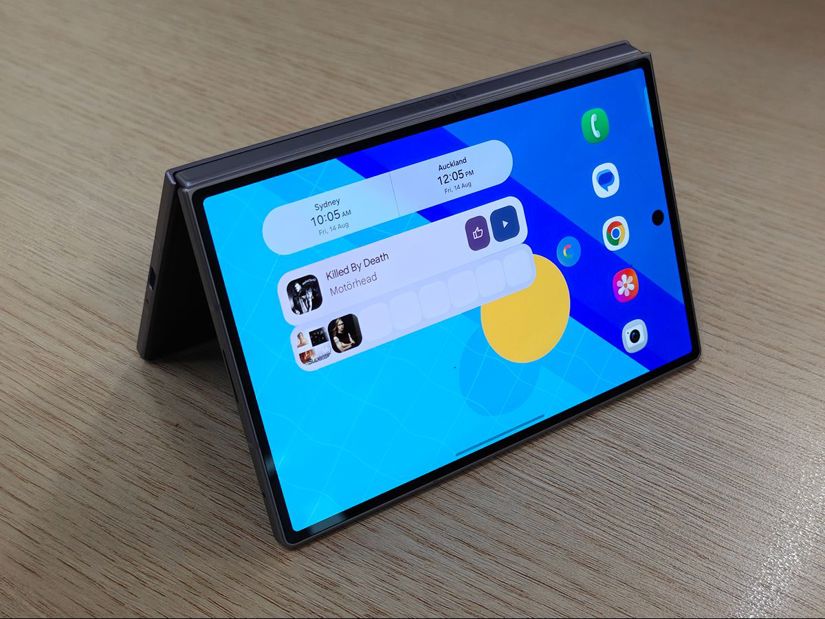
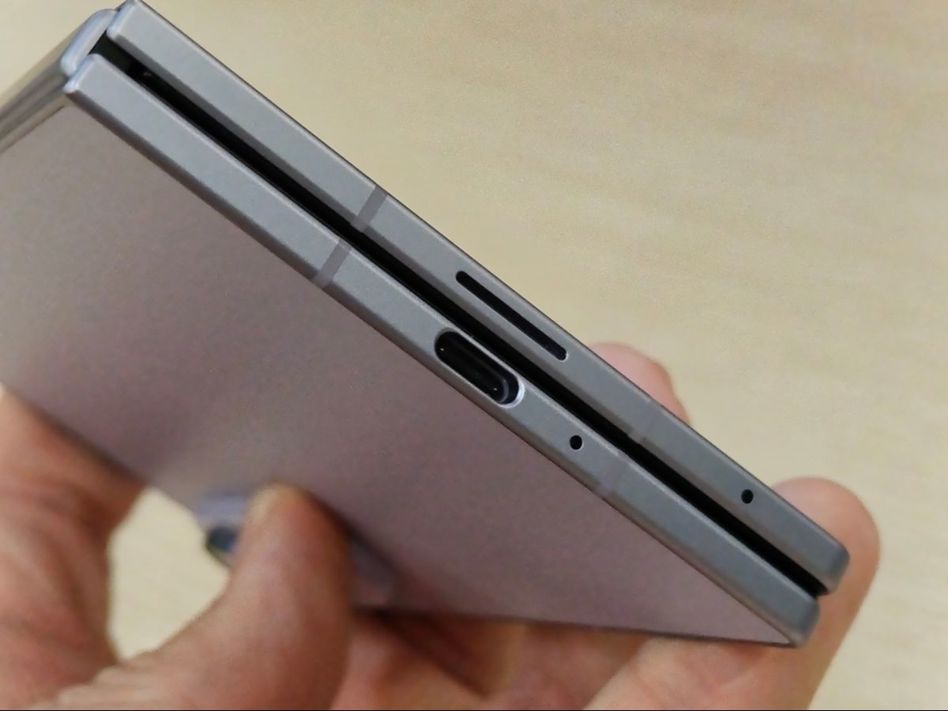
It feels surprisingly normal in the hand, too. At 9.7mm thick when folded, it is only a little chunkier than a conventional flagship phone, while the slim 4.5mm profile when opened makes the whole thing feel more like a very thin notebook than a piece of miniature engineering equipment.
More importantly, it doesn't feel fragile. The combination of Samsung's aluminium frame and toughened glass gives it a reassuringly solid feel, without the top-heavy awkwardness that has afflicted some earlier foldables.
Then there are the screens. The 5.5-inch outer display is wider than before, which sounds like a fairly minor change until you start using it. Typing messages is easier, navigation is perfectly usable and even watching the occasional video doesn't feel like trying to view the world through a letterbox.
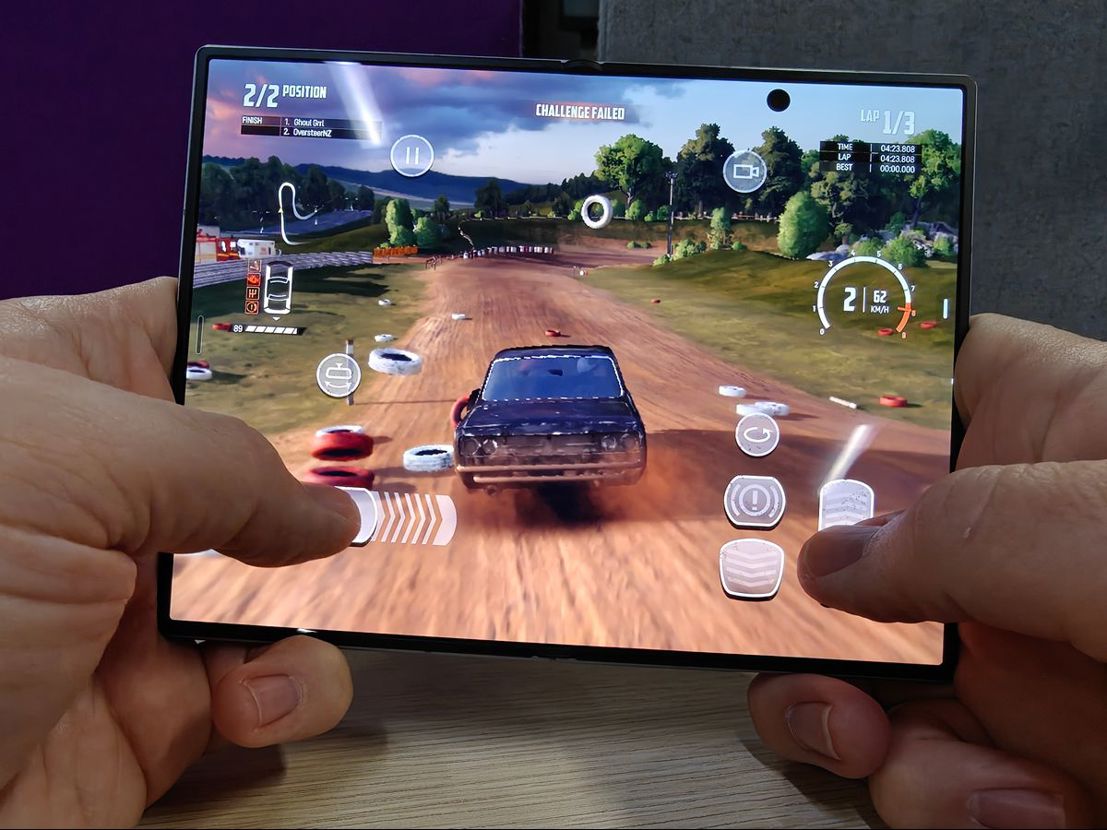
Open it up and there's a 7.6-inch internal display with a much squarer 4:3 layout. It's an excellent size for everything from reading and email to documents and maps, while widescreen video still gets enough real estate to make the black bars largely irrelevant. But the clever part is that you actually end up using both screens.
There is still a crease, because physics remains stubbornly unimpressed by Samsung's marketing department, but it's barely noticeable in everyday use.
Older Fold models often felt like you had a choice: use the cramped outside screen for basic stuff or open the phone up when you wanted to do anything properly. The Fold8 removes much of that compromise. Both screens are useful enough that switching between them becomes completely natural.
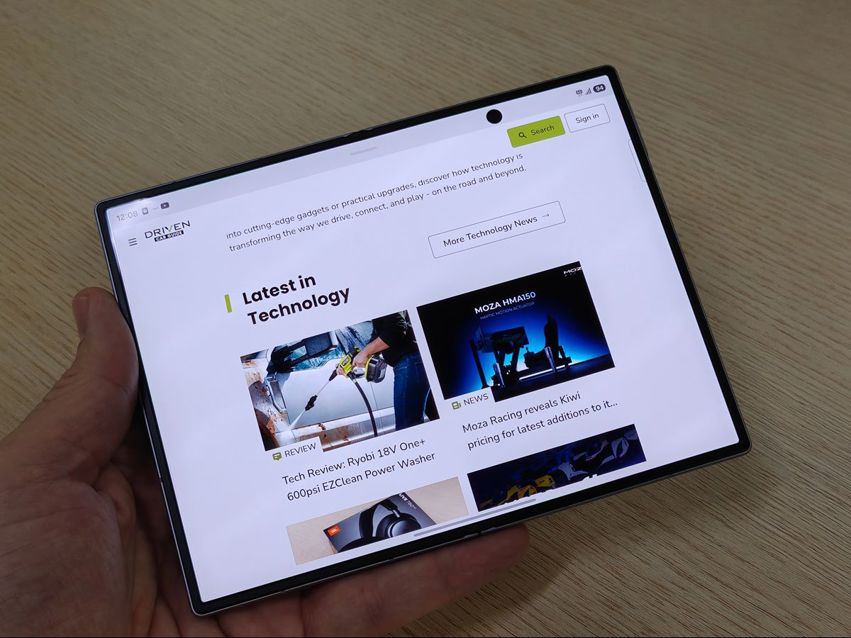
There is still a crease, because physics remains stubbornly unimpressed by Samsung's marketing department, but it's barely noticeable in everyday use. The screen is also bright enough to remain easily readable outdoors, and the 120Hz refresh rate keeps everything feeling suitably slick.
Performance is predictably excellent, with Qualcomm's Snapdragon 8 Elite Gen 5 for Galaxy and either 12GB or 16GB of RAM providing more than enough grunt for everyday use, multitasking and all the various AI tricks Samsung has decided we need.
Battery life is equally impressive. The 4800mAh battery comfortably gets through a day, even with plenty of time spent on the big screen. Wired charging is reasonably brisk at 45W, although wireless charging remains slower and, somewhat surprisingly for a phone at this price, there's still no built-in magnetic alignment.
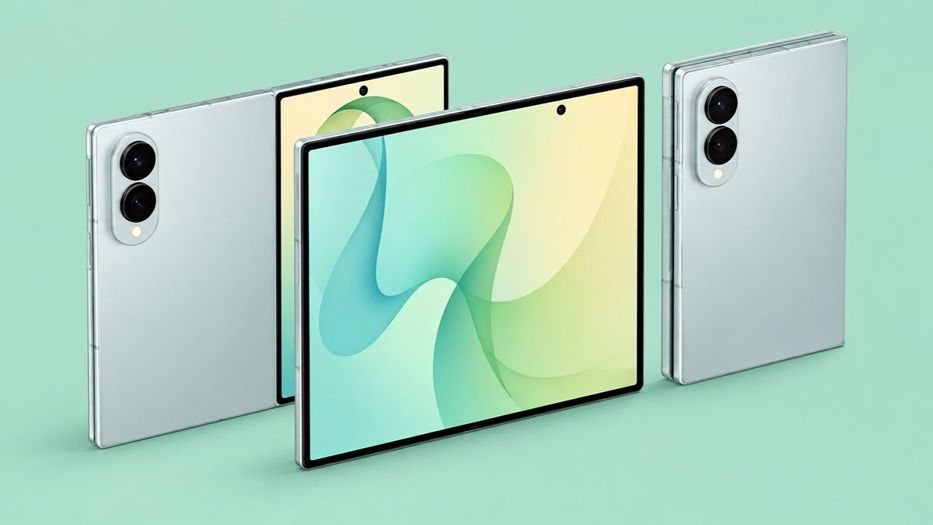
If there's one obvious compromise, it's the cameras - the main and ultrawide cameras are both very good in normal conditions, producing sharp, colourful images that will satisfy most people. The foldable design also gives you the neat ability to use the outer screen as a viewfinder while taking selfies with the main cameras.
Samsung has finally made the folding format feel less like a technological party trick and more like a genuinely useful alternative to a conventional phone.
But there is no proper optical telephoto camera. Instead, Samsung relies on cropping for 2x and digital zoom beyond that. The results are fine at modest magnification, but start looking distinctly less impressive as you push further into the zoom range.
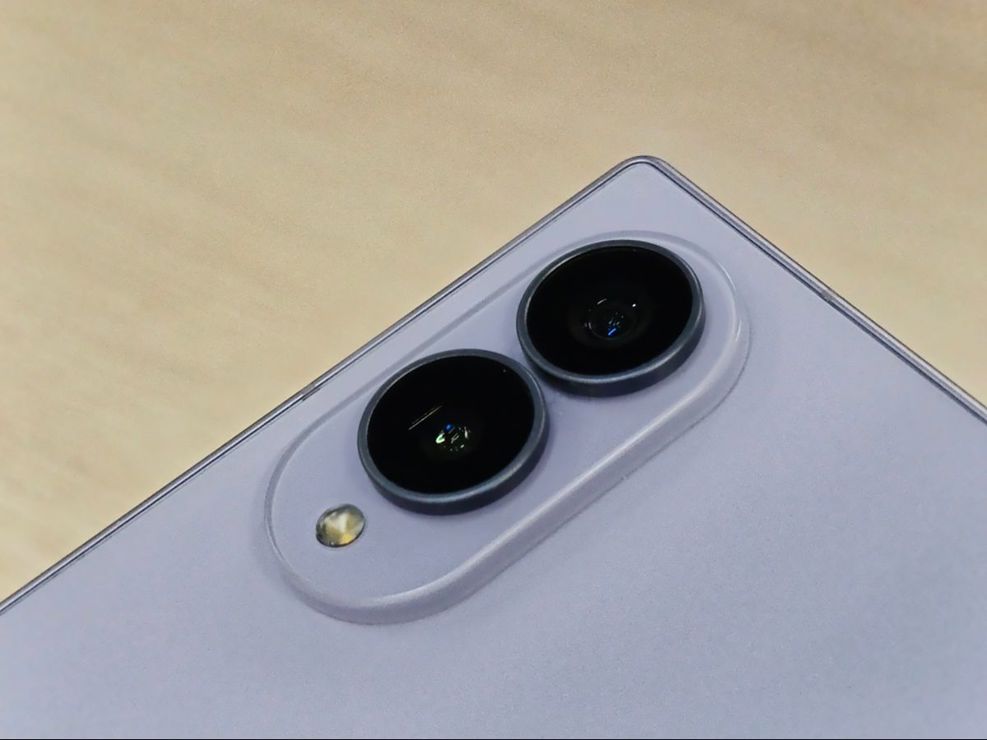
That's a slightly frustrating omission on a phone costing this much. The Galaxy S26 Ultra can demonstrate exactly what Samsung's camera hardware is capable of, so knowing that the Fold8 doesn't get the same treatment leaves a small feeling of what might have been.
Still, the important thing about the Fold8 isn't that it has the biggest numbers on the specification sheet. It's that Samsung has finally made the folding format feel less like a technological party trick and more like a genuinely useful alternative to a conventional phone.
The dimensions are right, the two screens are both genuinely usable and the whole thing is considerably less compromised than its predecessors. For once, the future doesn't require quite so much patience.
What's it like in a car?
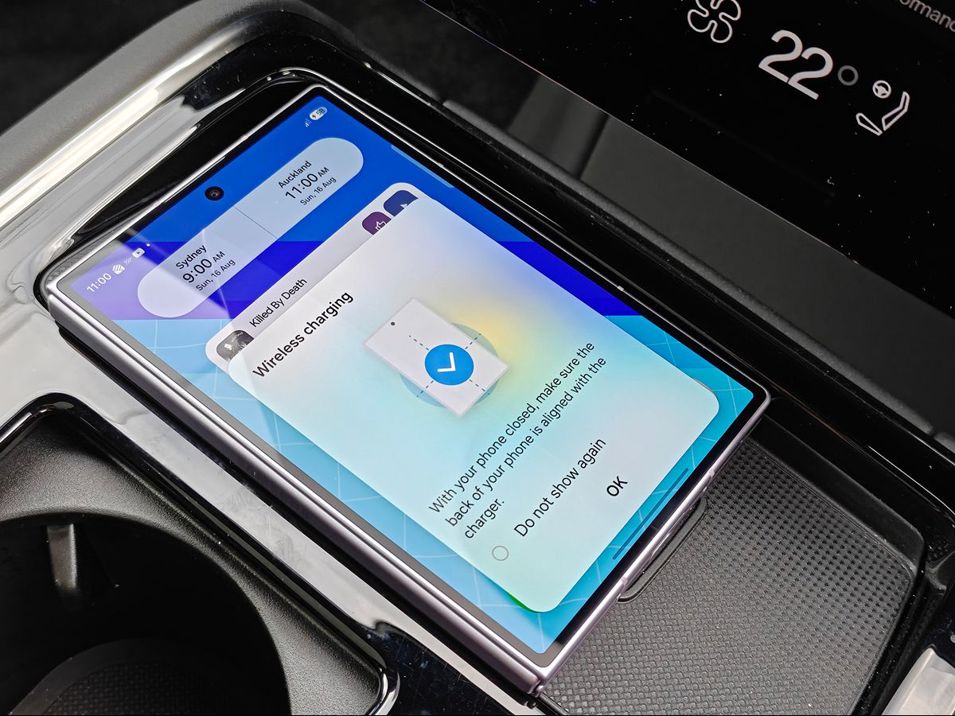
The Fold8's new passport-like shape is an interesting proposition in the car - its squatter proportions make it easy to see on a dashboard or centre console, although wireless charging can be a little more complicated. Most automotive charging pads and phone cradles were designed around the taller, slimmer shape of a conventional smartphone, so getting the Fold8 sitting exactly where it needs to be can take some fiddling.
Ultimately, the Z Fold8 is at its best when you're not really thinking about it being a foldable phone at all. And that's probably the biggest compliment you can give it.
This is made worse by the surprisingly large number of cars that still seem to believe slippery plastic is an acceptable material for a charging pad.
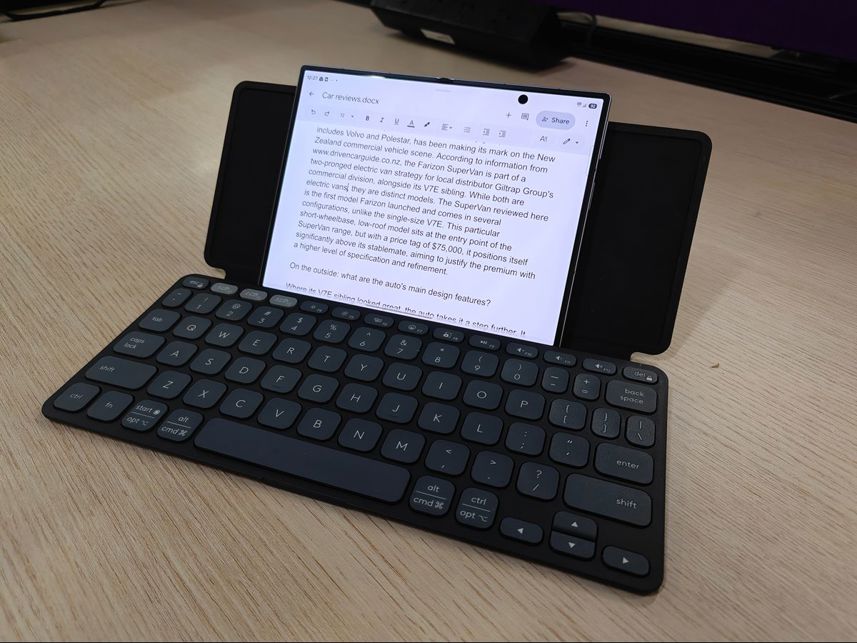
Both screens work brilliantly for navigation, although the big internal display is particularly useful. The 4:3 layout gives mapping apps plenty of room, providing a surprisingly tablet-like view of the road ahead.
Samsung's split-screen functionality is also handy, allowing maps and audio controls to sit alongside each other without either becoming ridiculously cramped.
And then there's the camera that, while disappointing in terms of telephoto photography, is staggeringly good in terms of video stabilisation and tracking.
The combination of the large screen, that excellent stabilisation and folding design makes the Fold8 surprisingly useful as a makeshift dash cam or track-day camera. It's not going to replace a dedicated action camera, but it's considerably more versatile than your average phone, and the remarkable horizon lock keeps dash cam style footage superbly steady and smooth.
Ultimately, the Z Fold8 is at its best when you're not really thinking about it being a foldable phone at all. And that's probably the biggest compliment you can give it.


