



We've previously had our say on the idea of suddenly trading-in your petrol/diesel car for something electrified, as a kneejerk reaction to the current fuel crisis: it seems crazy given the thousands of dollars it's likely to cost you. It'll take a long time to recoup that changeover outlay.
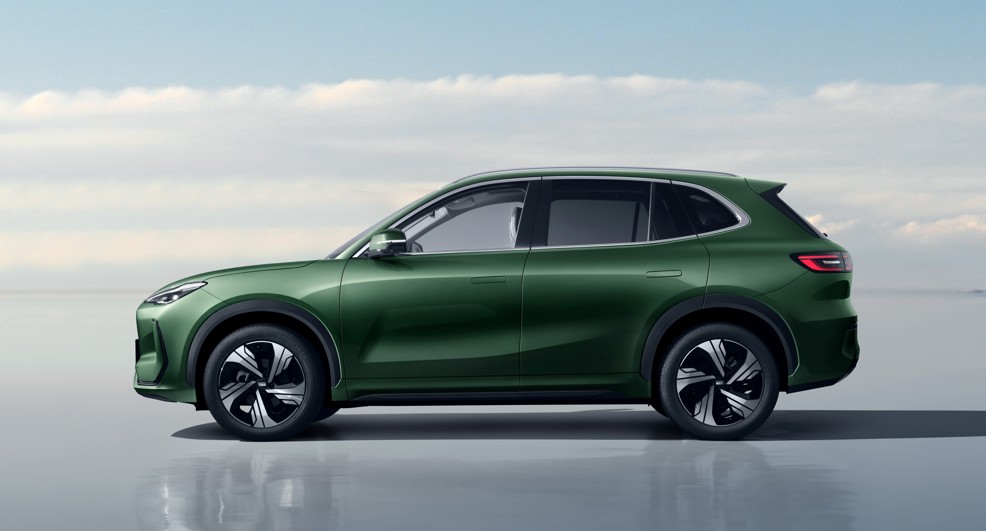
However, if it's new-car time anyway, it does make sense to look at an EV (that's pure-electric) or PHEV (a mix of fossil fuel and plug-in battery power). We're also hearing from the local industry that many people are swapping to electrified cars not primarily due to fuel cost, but thanks to the realisation that fuel supply is not a given. If we actually run out, an electric car (by which we mean something that can be charged from an external source) is the only way you'll keep driving.
So, switching from a combustion-vehicle to a plug-in for the first time? Here are five things you might need to know.
Charging is cheaper than petrol... but not necessarily cheap
There's still a bit of an attitude-undercurrent in the EV world that running an EV is something close to free - perhaps a hangover from those heady days when power companies were providing DC charging at no cost. Good times, good times. But in the past.
EV battery capacity is expressed in kWh - think of that as being like a fuel tank. They vary hugely depending on vehicle type of course, anywhere from 30kWh for a pure-electric city car to 100kWh-plus for luxury models.
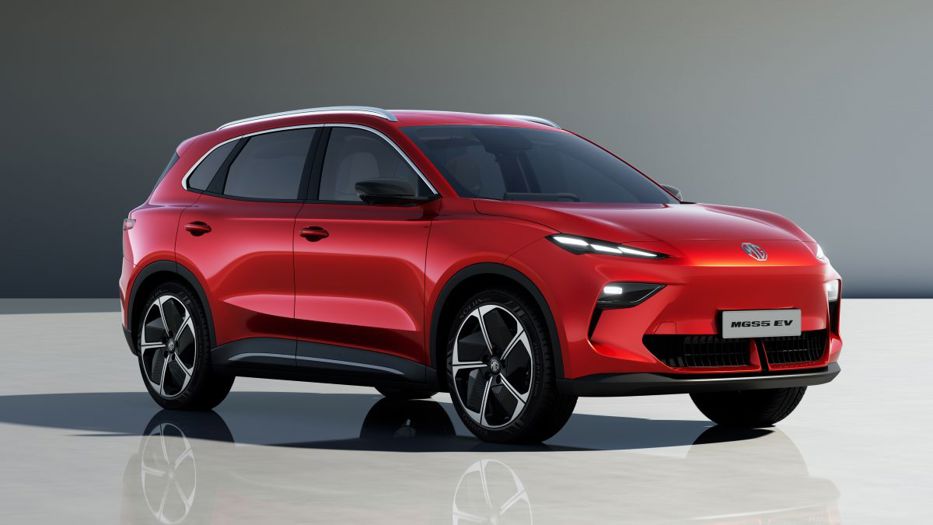
But for the sake of argument, let's take a typical 60kWh battery that gives around 400km range as an example (think Geely EX5 or MG S5EV for context) and compare it to an equivalent petrol car that returns around 7 litres/100km (an MG ZS if you really need a visual).
Charging a 60kWh EV from flat at home on a domestic socket will cost around $15; that's less than $4 to drive 100km, although there are all kinds of reasons why you shouldn't charge an EV this way (we'll get to that in a minute).
Hang on, don't forget your Road User Charges of $76/1000km for EVs and $38/1000km for PHEVs, so that's $11.60/100km total for an EV and $7.80/100km for a PHEV (assuming you're driving just on electric power).
In comparison, it'll cost you nearly $200 to fill a 60-litre petrol tank (91 octane, $3.26 per litre at the time of writing), which equates to a bit less than $25 to drive the same 100km. More than double the EV.
The same sums apply if you're using a home wallbox (yes, yes, we'll get to that in a minute), it's just that you're charging a lot faster.
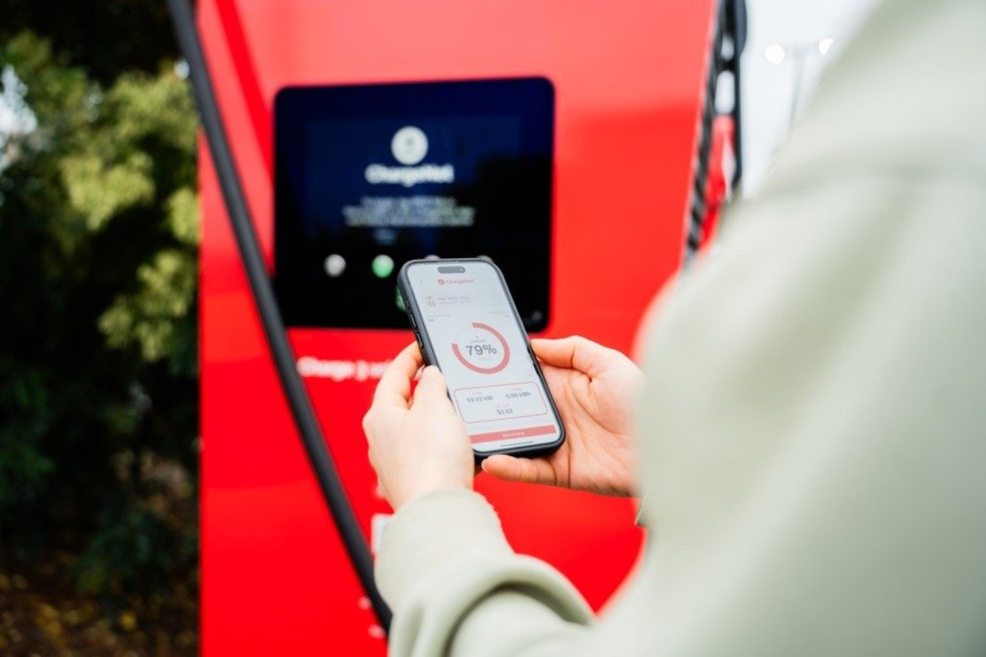
But if you don't have charging at home or you find yourself using public DC stations a lot, the cost ramps up significantly. Prices vary depending on supplier, but ChargeNet is the largest in NZ and for DC plug-in at 75kW (that's the charging speed) or less, it's 85 cents per kWh. Faster machines are even more: 90 cents.
That raises your EV running cost to $12.75 plus $7.60 RUC, or $20.35. At that point you're getting much closer to the petrol car; something to be aware of.
AC machines are cheaper (45 cents is an indicative cost) or sometimes free at malls and the like, but they're much slower: between 7-22kW. You'd think twice about paying for that when you can AC-charge at home for half the price.
Know your AC from your DC
AC power reverses direction periodically; it's ideal for long-distance transmission and on-demand use. It's what's supplied to your house, for example. DC only goes in one direction and crucially, it can be stored in batteries.

All plug-in cars require DC power... but not all can be charged via a DC station.
Almost all pure-electric cars use DC because otherwise, it would take an age to charge them. The default charging port for EVs in NZ (used in almost every new car) is the combined charging system (CCS), so called because the charge "gun" incorporates both a Type 2 AC plug and two pins at the bottom specifically for DC charging. Many DC stations also retain a Chademo connector... for older Nissan Leafs, basically.
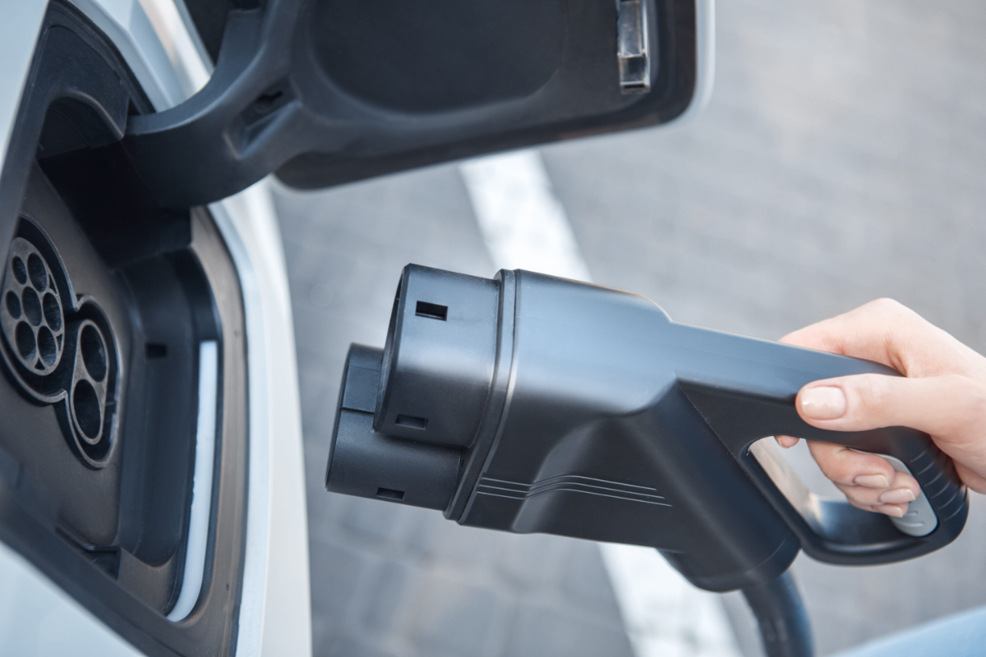
Some PHEVs, especially the ones with big batteries, also have CCS connectors. But many are restricted to AC, which means they can only be charged with a Type 2 plug. These cars are not compatible with DC stations; when plugged in, they take the AC power and convert it to DC themselves.
There are far fewer public AC stations than DC, although more are planned. The Government's $52.7m plan to build 2574 new charge points includes 1200 AC chargers. There are currently 1800 charge points in NZ, which is low by OECD standards but we're still covered with a station every 80km on main roads.
But really, the ideea with PHEVs is that it makes the most sense to simply charge at home overnight.
There are different types of PHEVs
PHEVs are a bit confusing. Even more so in the last couple of years, because different tyres are emerging.
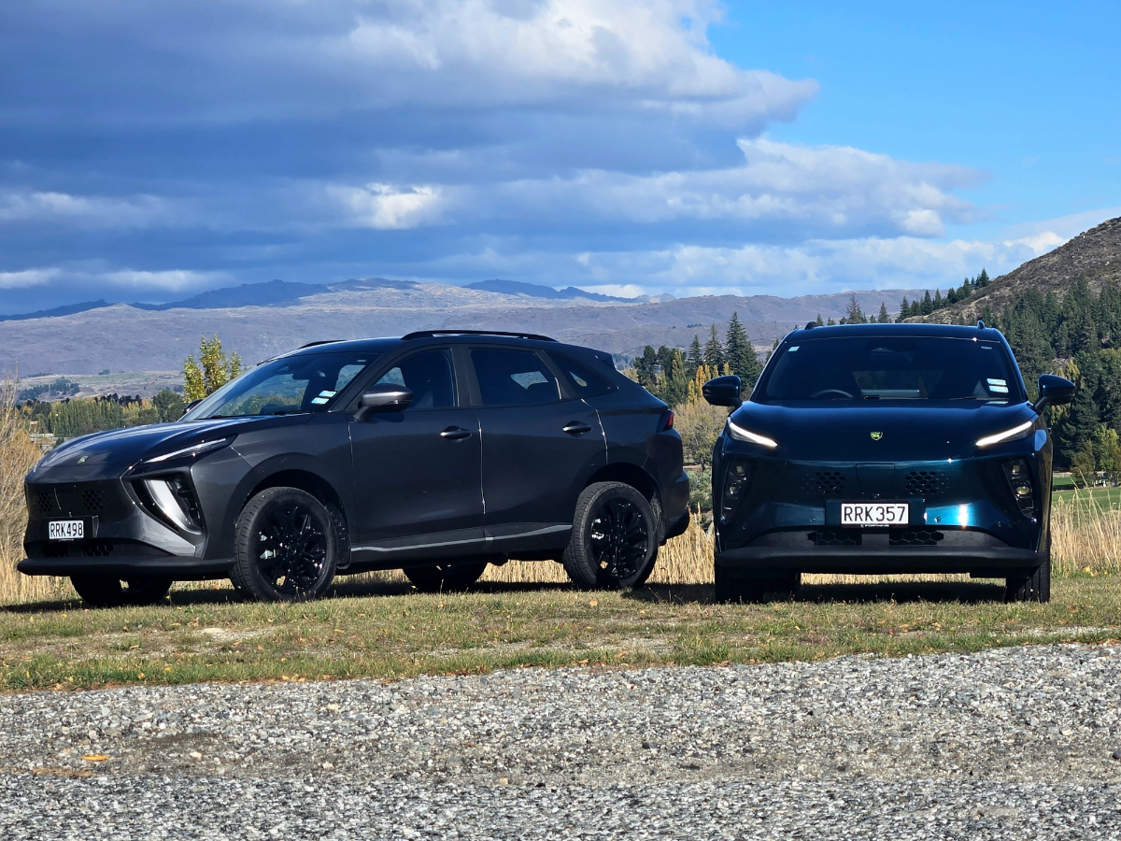
But basically, a PHEV combines a combustion engine with plug-in battery power, to give you pure-EV running for day-to-day driving, but with the backup of a petrol engine for longer drives if you need it.
PHEV EV-range varies wildly, from 50km (some older models have as little as 30km) to 100km-plus. It all depends on the size of the battery.
But there are also two types of PHEV, and they are very different to drive. The first works in a similar way to a non-plug-in hybrid: you have a certain amount of electric range, and when that runs out the vehicle reverts to hybrid mode, with the petrol engine driving the wheels and what's available in the battery (the powertrain always keeps some in reserve, and can make more through braking-regeneration) there to help when it can.
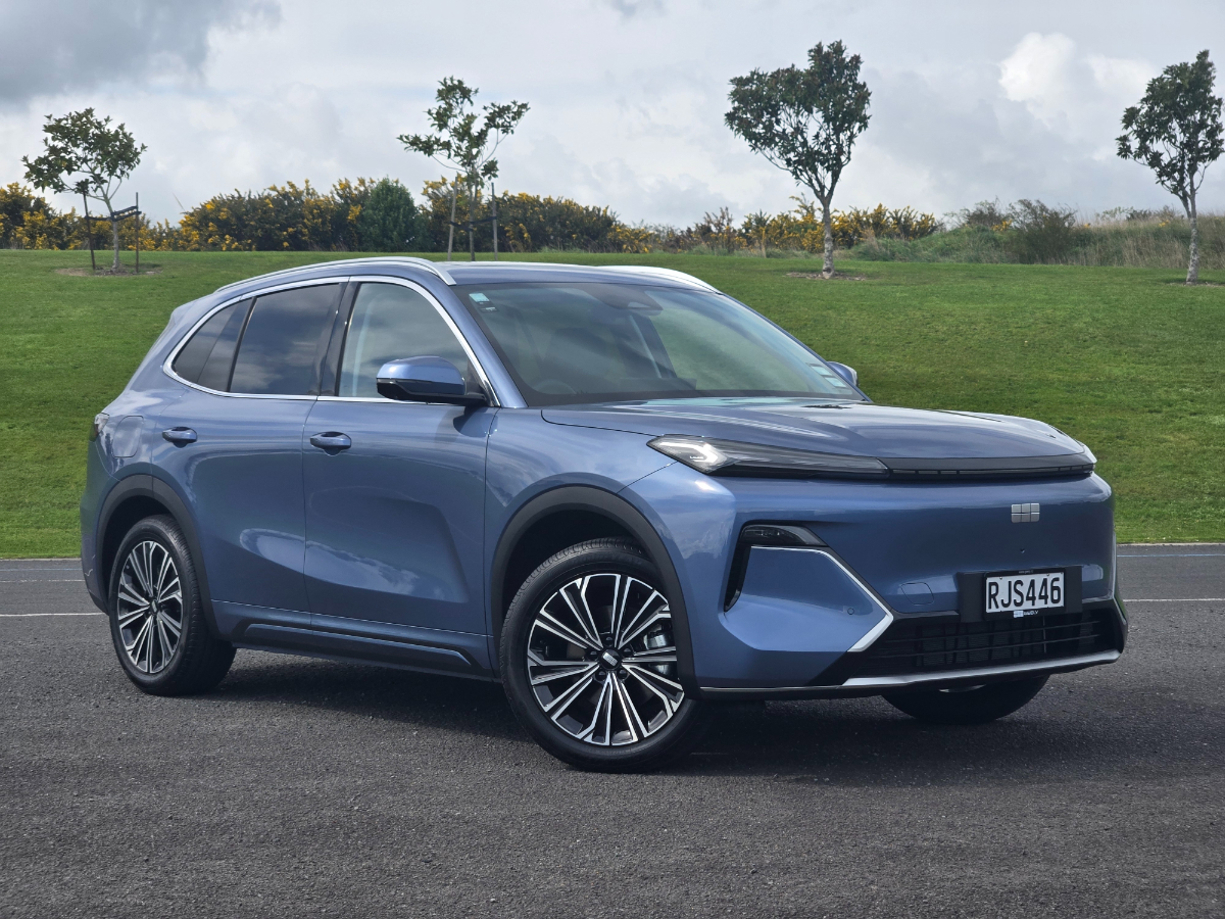
But there's also a new breed of PHEVs called "super hybrid". It's almost excusively a Chinese-brand thing, and typically matches a large battery (80-100km EV range is typical) to a small-capacity petrol engine that's mainly there to generate electricity. So the idea is to prioritise electric drive.
Some super hybrids do allow the engine to drive the wheels for a power boost when required, like the BYD Sealion 5. But some don't at all, like the Forthing Taikon.
If you're looking to a PHEV to truly insulate you from fuel-supply issues, look to the EV range first and foremost. And if you want to make the most of EV power at all times, stick to a model that also offers DC charging (CCS) - as long as you're aware of the cost at those public stations.
Get a wallbox if you can
Some EV advocates say it's fine to charge your car at home using a 3-pin plug. But honestly, it's not ideal. It's fiddly to unravel the cord each time you arrive home (unless you have it plugged in inside the garage), it's painfully slow (25-plus hours to charge a 60kWh battery) and undeniably the least safe method.
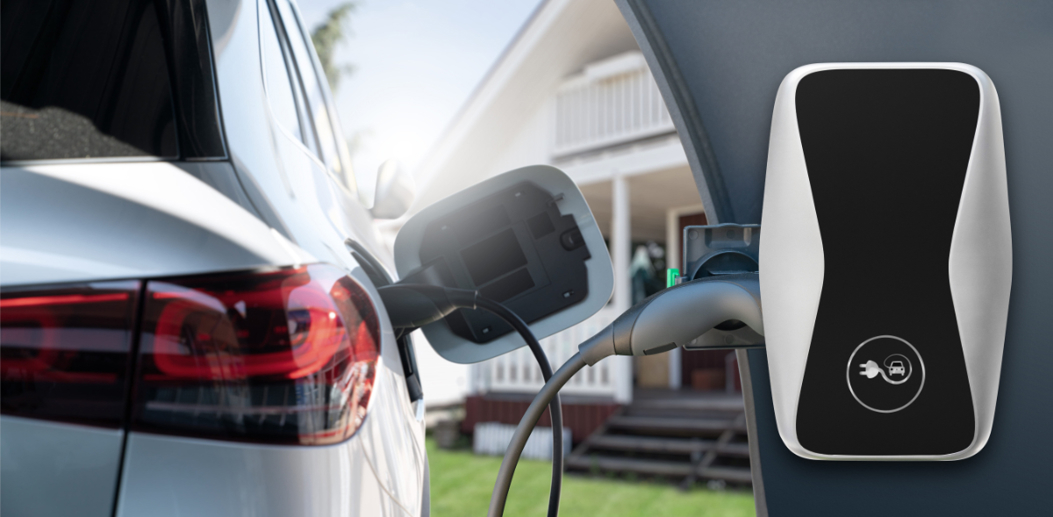
Some EV experts go so far as to call 3pin units "emergency" chargers and some carmakers don't even provide one with EVs.
If you can afford it ($2000-$4000) and have off-street parking, a home wallbox is a game-changer. It's there ready to use when you arrive home, no messing around, and it charges over 3 times faster than a domestic socket (7kW usually, or an easy overnight charge for our 60kWh car). Get a "smart" internet-enabled one and you can schedule it however you like, to take advantage of off-peak power rates for example.
You don't even need a garage. Wallbox-type units can be installed in a variety of places: on the side of the house or even concealed in the garden next to the driveway. Once you get one, you'll never go back.
Don't forget you start the day with a full 'tank'
There's a lot of misplaced anxiety around EV range. People forget that the average annual driving distance for NZ motorsists is less than 30km per day.
More importantly, they forget that with an EV, if you're charging at home you have a full battery every morning. Are you really going to drive more than 400km in a typical day? If you do, that'd make you a 140,000km-plus motorist per year. Which is actually do-able with an EV given a little planning (we know people that do it), but that's another story.