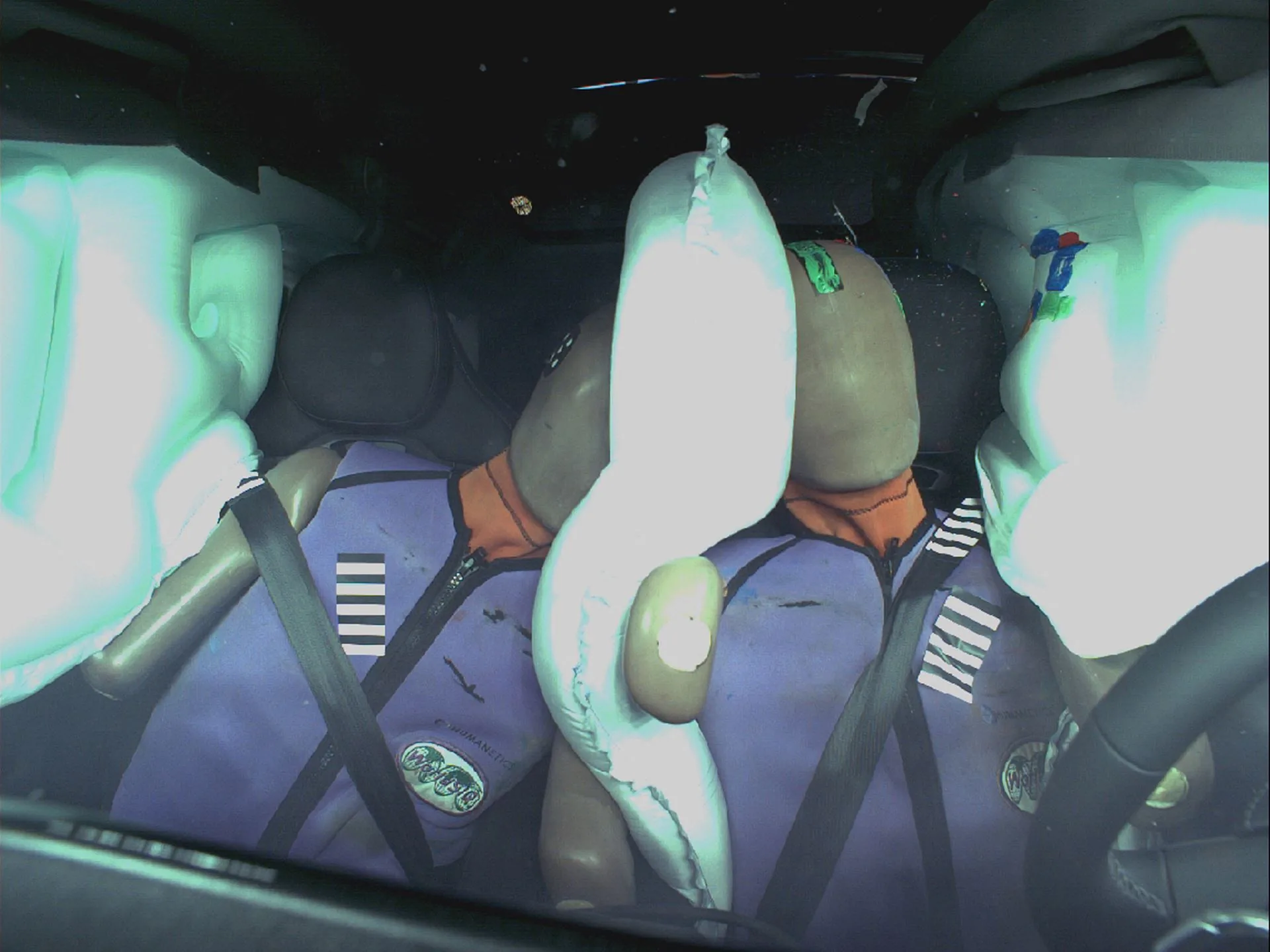



- Audi says the new Q7 is the first production model with a perfect post-crash safety score.
- Its emergency calling and automatic braking systems can help summon assistance and reduce secondary collision risks.
- Euro NCAP awarded five stars overall, while identifying weaknesses in cyclist protection and child presence detection.
The new Audi Q7 has earned five stars from Euro NCAP, with its strongest result coming after the initial impact. It scored 100% for Post-Crash Safety, which Audi says makes it the first production model to achieve full marks in that assessment.
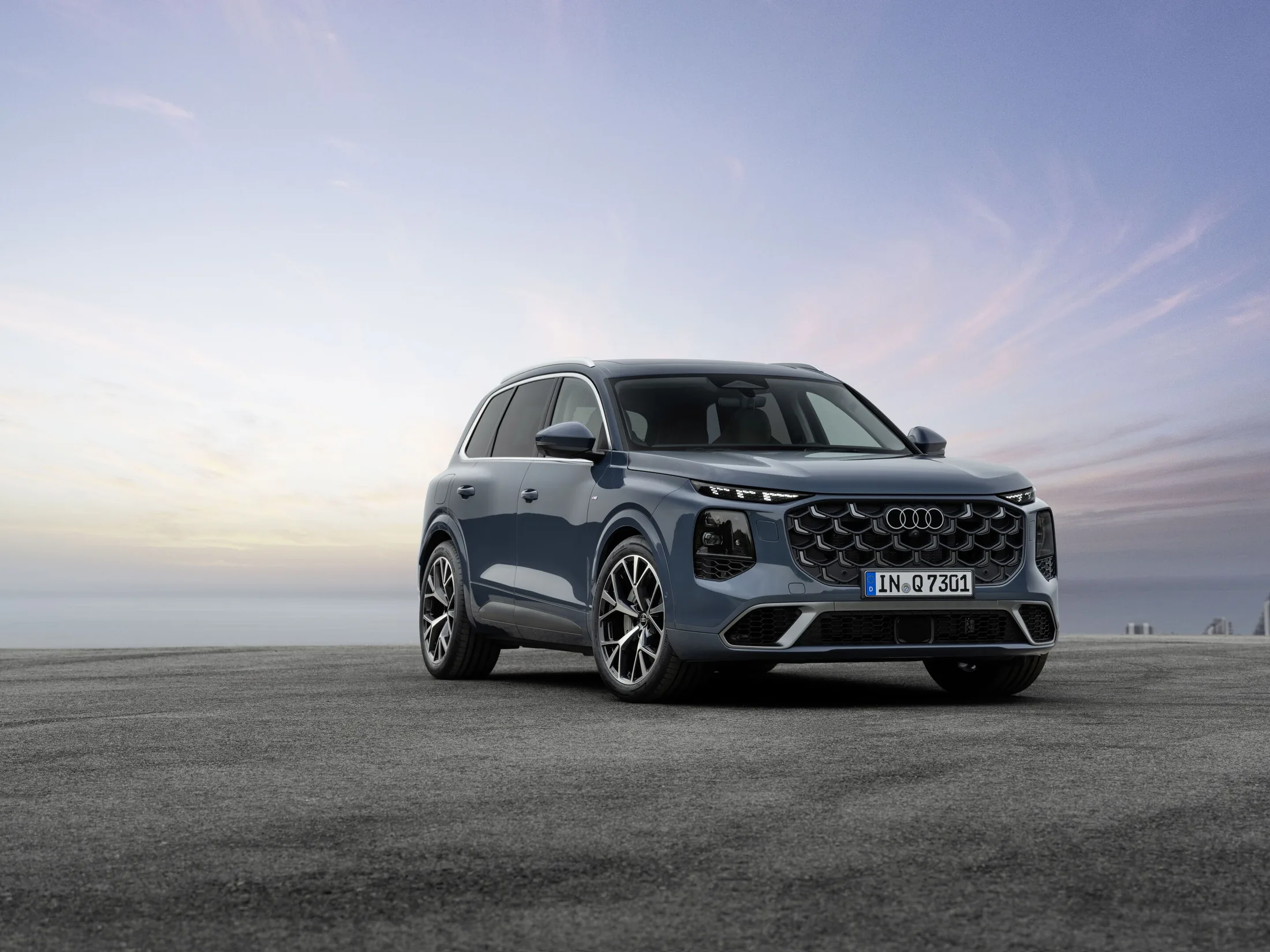
That distinction covers how the vehicle helps emergency services and occupants following a crash. It does not mean a perfect result across the entire safety test.
Under Euro NCAP's 2026 assessment, the Q7 scored 72% for Safe Driving, 77% for Crash Avoidance and 88% for Crash Protection. The tested vehicle was a third-generation Q7 TDI quattro with 220kW, in left-hand-drive form.
Calling for help, limiting further impacts
The Q7's advanced emergency calling system can send information about the impact and occupants to help responders assess the situation. Audi says a serious crash can trigger the call automatically, with details including the vehicle's location, brand, model and colour available beyond the minimum emergency data.
Its multicollision brake can automatically bring the vehicle to a stop after an impact. The parking brake then holds it and the hazard lights activate, reducing the risk of a further collision. The driver can override the intervention.
There is a physical rescue element, too. The assessment considers whether doors can be unlocked and opened after a crash, including when the low-voltage power supply has failed, along with access to seatbelt buckles. Vehicle-specific rescue information helps first responders identify what they are dealing with.
Euro NCAP awarded full marks for enabling quick, safe extrication by emergency crews.
A strong result with gaps
The independent assessment found good or adequate protection for front occupants in the full-width frontal test, with good protection for critical body areas in side impacts.
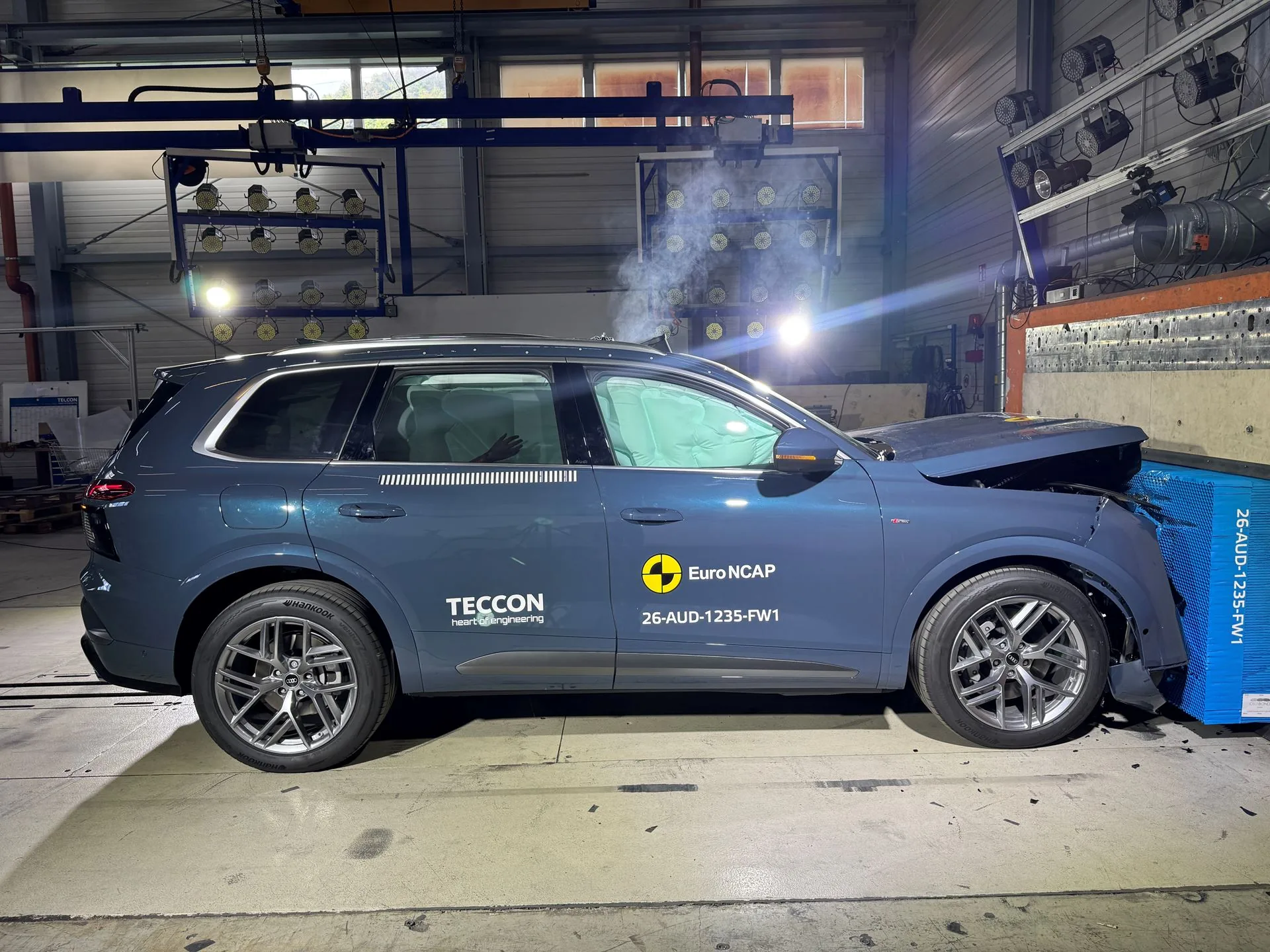
It also identified limitations. Child presence detection is not standard, while protection for vulnerable road users was mixed, including poor head protection for a struck cyclist. Assessors also found the Q7 somewhat aggressive towards another vehicle in a frontal collision.