



- Deep Orange 17 is an "energy positive" prototype that produces more energy than it consumes.
- Built by students at Clemson University in South Carolina, it uses solar panels and maximises energy recovery.
- Students found that an average a 20km daily commute could produce up to 50km extra range.
This strange box on wheels that gives off strong "Top Gear Challenge" vibes may look like something that an eccentric EV early adopter knocked up in his garage to run on lead acid batteries, it is actually one of the most remarkable things to ever turn a wheel.
Recently unveiled by Clemson University in South Carolina, USA, Deep Orange 17 (as it is called) is a genuine "energy positive" vehicle, that is it actually produces more energy during its daily operation than it consumes.
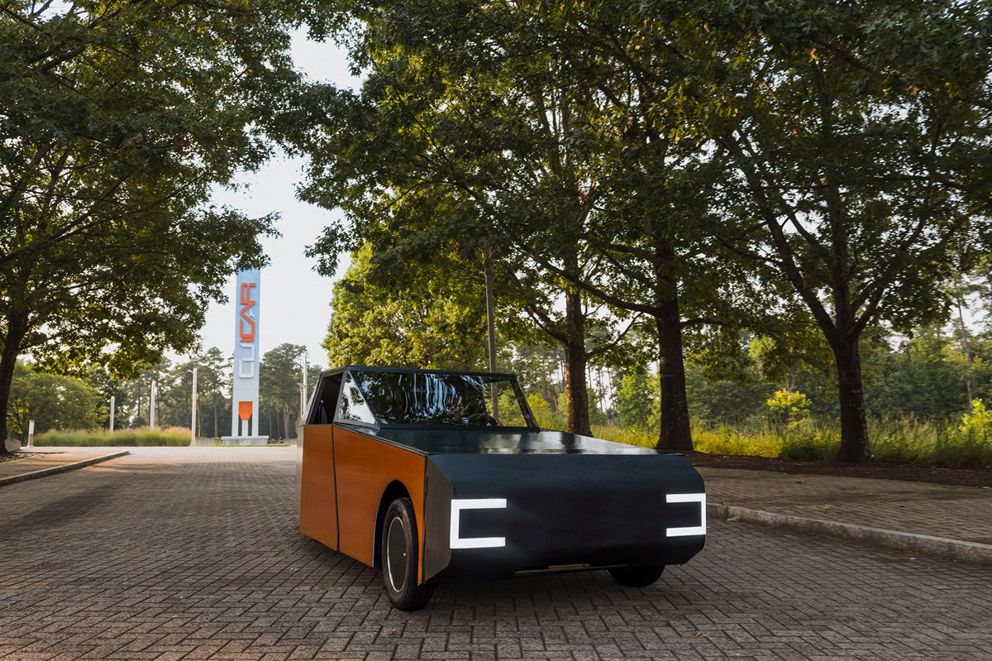
Developed by graduate automotive engineering students at the university in collaboration with BMW, Deep Orange 17 demonstrates the potential for energy-positive mobility through the integration of solar technology, extreme weight reduction, and aerodynamic engineering. In other words, its not exactly going to be seen on the roads any time soon.
The project began in 2024 when BMW challenged the students to determine if a vehicle could produce a surplus of energy during everyday use. The team shifted focus away from traditional standardised driving cycles to prioritise how vehicles are used in real-world settings, noting that passenger cars spend the majority of their time parked and exposed to sunlight.
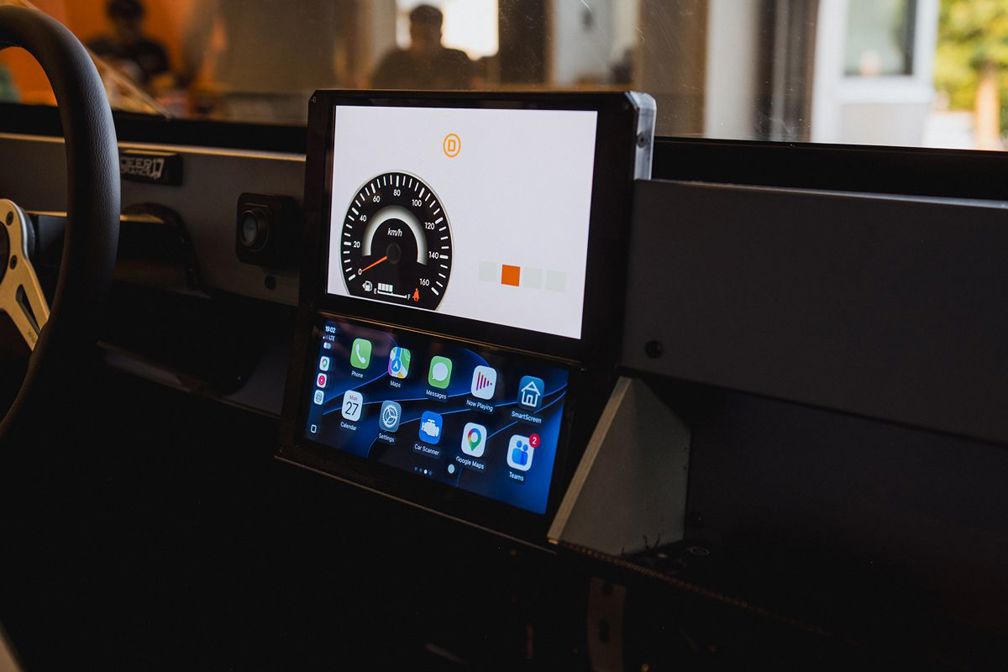
At the core of Deep Orange 17's design is a fully integrated solar energy system. Rather than using solar power as a secondary feature, the team made it a primary component of the car's propulsion. Exterior surfaces are embedded with more than 1,700 photovoltaic cells, which harvest energy while the car is both in motion and parked. Developed alongside the Fraunhofer Institute for Solar Energy Systems ISE, these panels use an innovative construction that allows them to continue generating power even when portions are shaded.
To achieve energy positivity, the students also focused on "extreme efficiency in construction" - the prototype weighs just 550 kilograms (or just over half a Suzuki Swift), and the chassis uses a "multi-material" approach that combines structural steel for safety with aluminium, carbon fibre, and 3D-printed metal joints to minimise mass.
The prototype's performance was validated through environmental testing in diverse locations, including Greenville, South Carolina; Frankfurt, Germany; Madrid, Spain; and Mumbai, India. Researchers found that with a daily commute of 20 kilometres, Deep Orange 17 produced enough surplus solar energy to provide an average of 50 kilometres of additional driving range across all four locations.
Beyond its solar capabilities, the prototype includes regenerative braking, intelligent torque distribution, and optimised drivetrain controls to maximise energy recovery.
While remarkable from an energy consumption perspective, the Deep Orange programme is a unique education tool as well, as unlike traditional engineering projects, it immerses students in the complete vehicle development process. Students conduct market research, define customer needs, develop vehicle concepts, engineer major systems, manufacture components and validate performance, all while working alongside industry engineers and managing real-world budgets, schedules and technical constraints.
The university says the result is a "holistic, end-to-end vehicle development experience" that incorporates powertrain engineering, vehicle controls, manufacturing, body design, software and emerging technologies into a single collaborative project.
"It’s rare for a master’s student to have the opportunity to experience the complete process of developing a prototype vehicle,” said Anshul Karn, Deep Orange Project Manager.
"Many engineering programs include courses in areas like digital modelling or marketing, but very few give students the opportunity to begin with a vision, work through the entire development process and ultimately deliver a fully functioning prototype. That experience is what makes Deep Orange so unique."
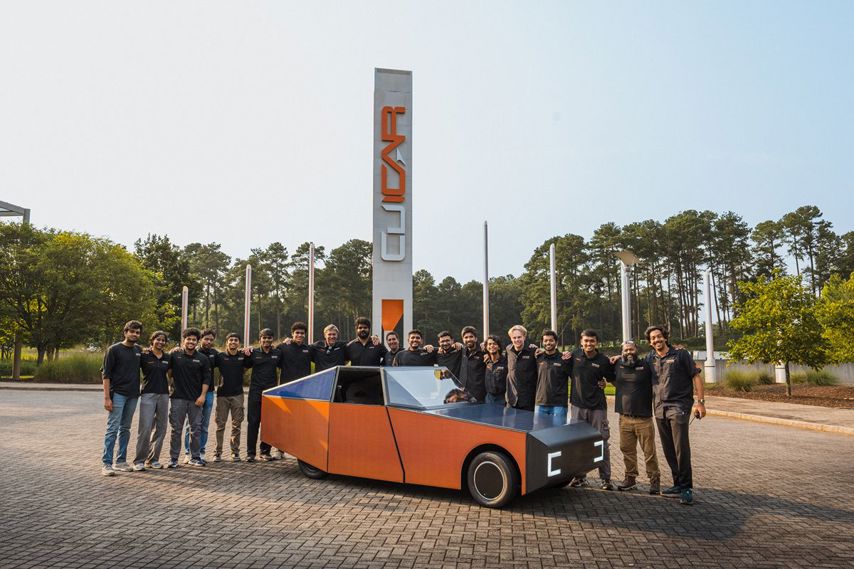
While the 16 students responsible for the project are set to graduate this August, the vehicle will remain at the Clemson University International Centre for Automotive Research (CU-ICAR) in Greenville to serve as a platform for future sustainable mobility research.
Deep Orange 17 is also scheduled for a public appearance at the 2027 Consumer Electronics Show in Las Vegas.


