



- Mitsubishi has confirmed that it will not produce its own EVs in-house.
- The company will rely on external partners like Foxconn, Nissan and Yulong for future EVs.
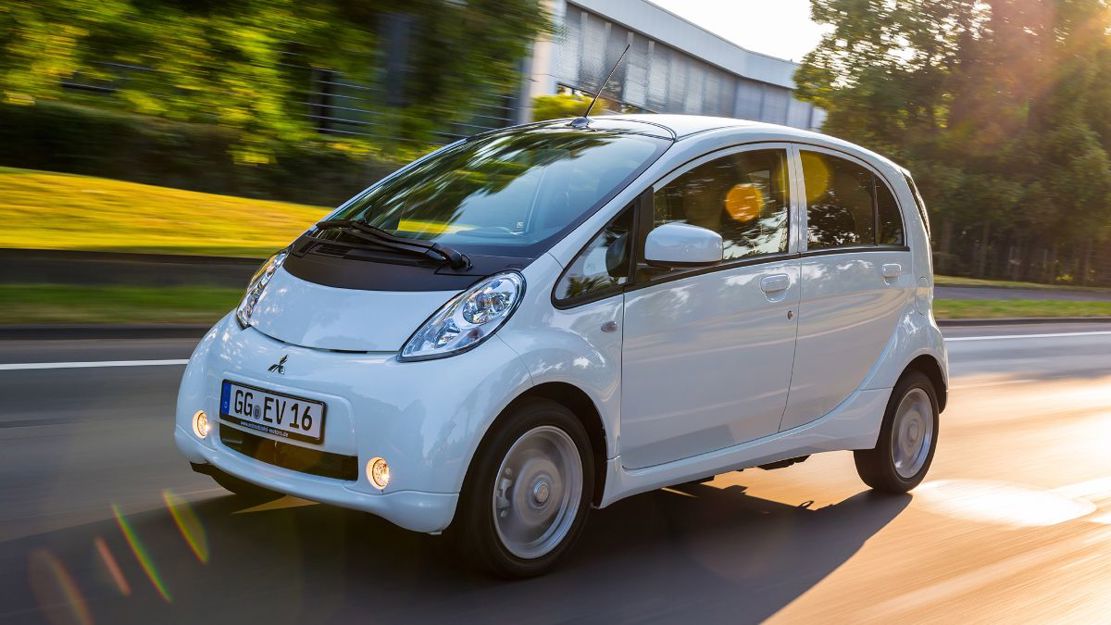
- Mitsubishi launched its first production EV, the i-MiEV, in 2009.
Mitsubishi Motors has confirmed it has no intention to build its own electric vehicles in-house, but will instead rely on a network of global partnerships to expand its line up.
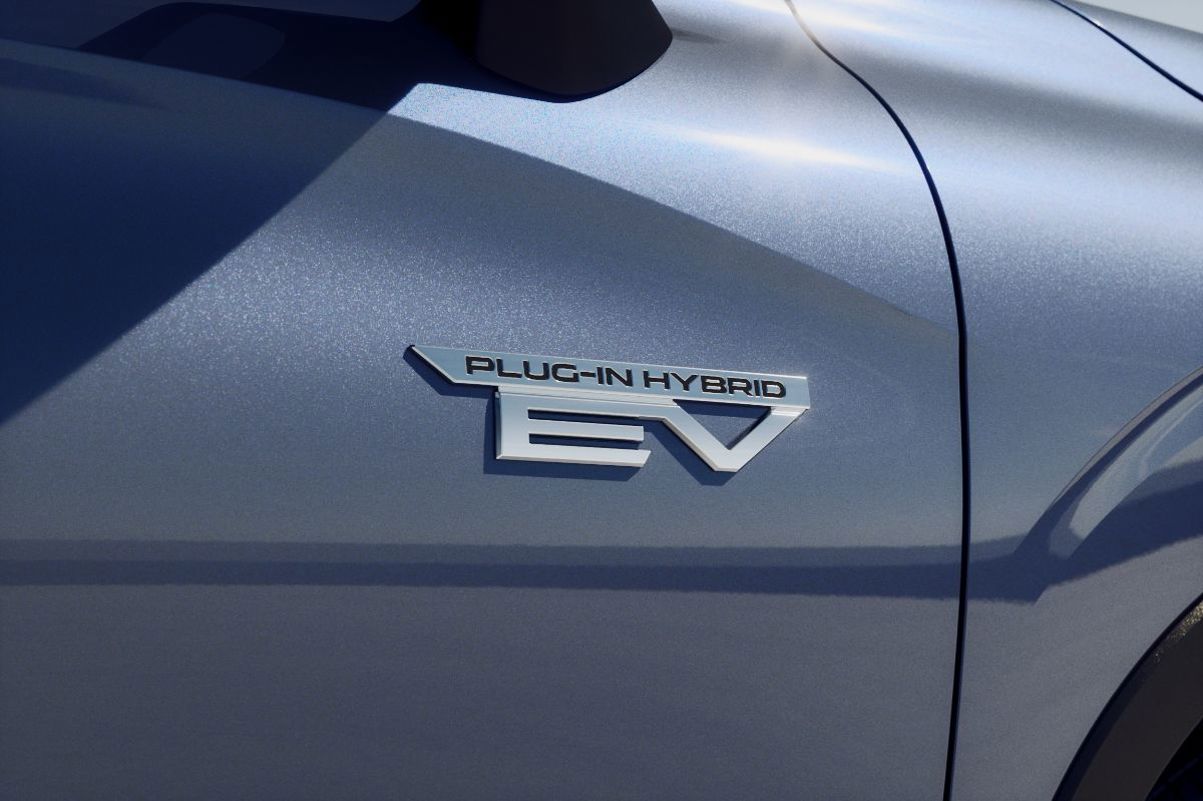
Having launched the i-MiEV in 2009 just as the electric era was beginning, Mitsubishi was one of the front runners in BEV development in those early days but fell behind, instead concentrating on plug-in hybrids. Now, rather than continuing solo BEV development, the Japanese carmaker is now adopting what it considers a smarter, risk-managed approach to the evolving market.
During the company’s annual shareholders meeting earlier this month, CEO Takao Kato explained that the global growth of electric vehicle sales has begun to lose steam, and that for a company the size of Mitsubishi, making a massive investment in a single technology - and potentially getting the timing wrong - could lead to significant financial losses.
"Within the automotive industry, there had been talk of electrification for some time. However, over the past year or two, there has been a major re-evaluation,” he said.
“For a company of our size, deciding to make a massive investment in one area and then incurring significant losses would pose a major management problem.”
Mitsubishi’s current strategy involves teaming up with established partners to bring new electrified models to various markets. In North America, the upcoming Eclipse Sportback EV is essentially a Nissan Leaf in a different design, while the European market will see a Renault-based Eclipse Cross Electric.
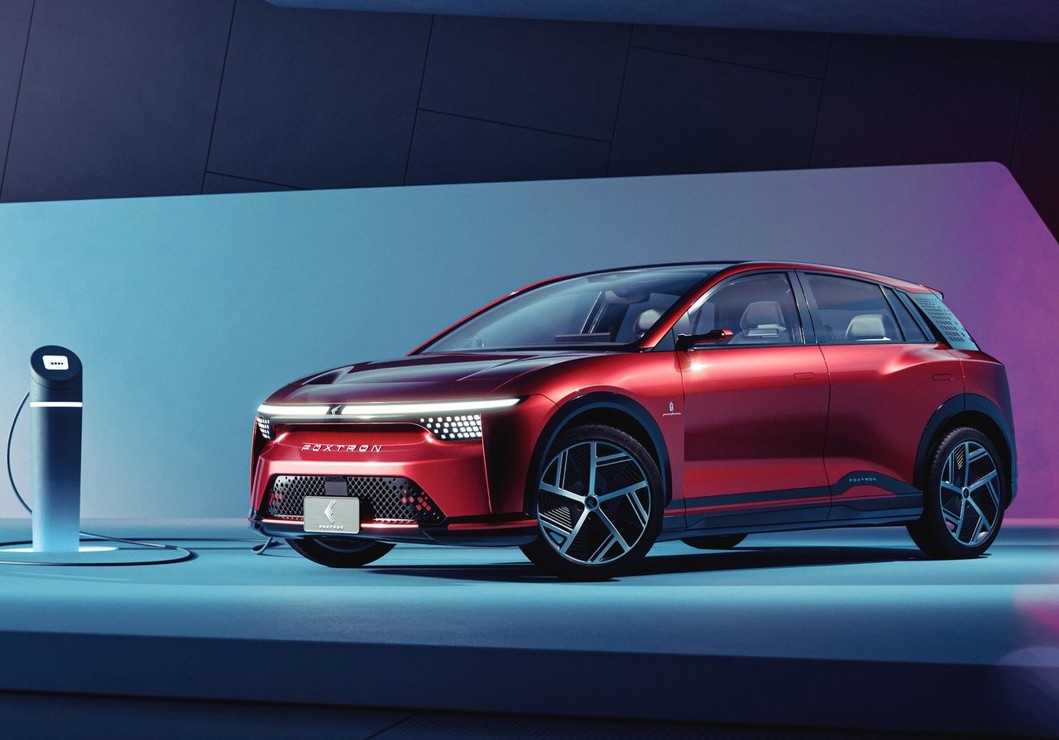
Additionally, the brand is backing joint ventures with Foxtron - a subsidiary of iPhone manufacturer Foxconn - and Yulong to develop new electric models intended to compete with Chinese manufacturers like BYD, Chery, and Geely. The first model from the Foxtron partnership is expected to arrive in New Zealand before the end of this year.
The company says it remains committed to its broader electrification goals, even if it is not doing the primary development work, and it plans to introduce 13 new models over the next five years, including five hybrids and five plug-in hybrids.
Mitsubishi is not alone in this defensive shift, as many major carmakers are currently reworking their electric strategies. Industry giants such as Ford and General Motors have recently paused or adjusted their electric vehicle plans due to slowing demand, while Japanese rival Honda recently announced a reallocation of resources from electric projects toward a new hybrid strategy starting in 2027, cancelling its bold EV plans mere months before the cars were due to launch.