



Long solo drives can be brilliant. You set the playlist, choose the stops, and nobody complains when you take the scenic route. But without a co-driver, you also lose your built-in navigator, snack distributor and “are you still awake?” monitor. That means preparation matters more.
A long drive on your own is not about proving endurance. It is about keeping your brain fresh, your body comfortable and your car boringly reliable from start to finish.
Pack the car before you pack your patience
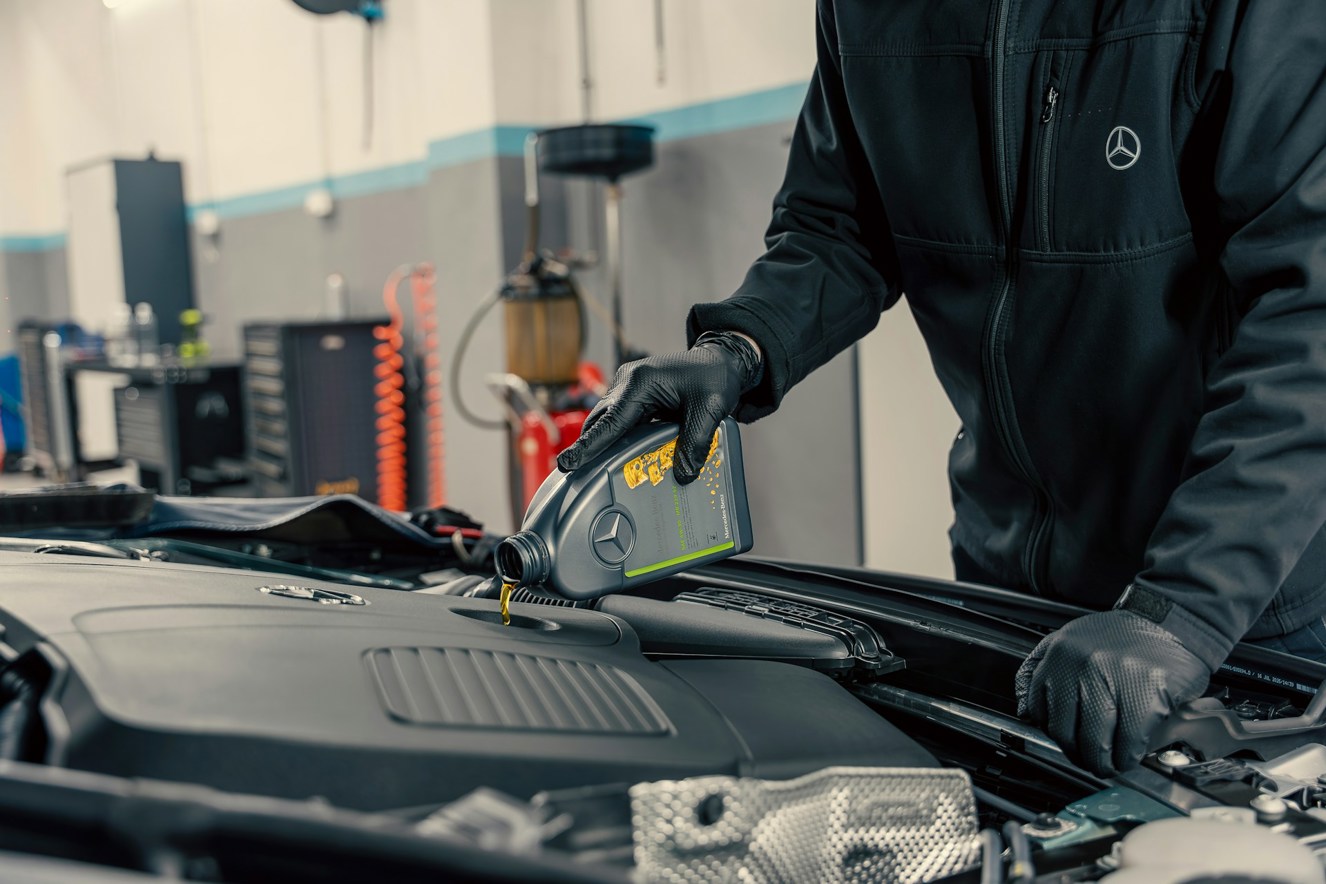
Start with the basics: fuel or charge, tyre pressures, washer fluid, oil level and a quick look around the car. You do not need to perform a full workshop inspection in the driveway, but a soft tyre or low fluid warning is much easier to deal with before you leave than 300km later.
Set your navigation before moving. Add your key stops as waypoints, not vague ideas you will “sort out later”. If you are driving an EV, check charger locations and backup options. For any car, it pays to know where the next proper town is, especially if the route includes rural stretches.
Keep the cabin organised. Water, sunglasses, charging cable, snacks, tissues and any medication should be within easy reach. The goal is simple: no digging through bags while doing 100km/h. Put your phone on Do Not Disturb, connect audio before departure and avoid becoming that person trying to pair Bluetooth at the lights.
Breaks are not optional
The biggest solo-drive mistake is treating stops like weakness. They are not. They are part of the drive.
A good rhythm is to stop every two hours or so, even if only for five to 10 minutes. Get out, walk around, stretch your back, roll your shoulders and reset your eyes. Sitting still for hours can make you feel more tired than you expect, particularly on straight, familiar roads where your brain starts running on autopilot.
Do not wait until you are exhausted. By the time you are yawning repeatedly, drifting within the lane or forgetting the last few kilometres, you are already past the sensible point. Pull over somewhere safe and take a proper break.
Coffee can help, but it is not magic. It also works better before you are completely cooked. If you are truly tired, a short nap in a safe, legal place beats another large flat white and false confidence.
Use food properly, not as entertainment
Solo driving can turn snacks into a hobby. That is fine, within reason, but heavy food can make you sluggish. Aim for simple, manageable options: sandwiches, fruit, nuts, muesli bars or anything that will not explode across your lap at the first corner.
Water matters too. Dehydration can make you feel foggy, but drinking nothing because you do not want to stop is a false economy. The stop is useful. Take it.
Avoid messy meals while driving. A burger with too much sauce is not a one-handed driving companion; it is a small structural engineering problem. Eat when parked.
Keep your brain engaged, not overloaded
A good playlist, podcast or audiobook can make a long drive easier, but choose wisely. Anything too sleepy can make you drowsy. Anything too gripping can pull too much attention from the road. The sweet spot is engaging enough to keep you alert, but not so demanding that you miss signs, traffic changes or weather shifts.
Change the audio when your mind starts wandering. Open a window briefly, adjust the cabin temperature and sit more upright. Small changes can help, but they are not substitutes for rest.
Also, resist the temptation to “just push through” the final leg. Many tired-driving mistakes happen close to the destination, when drivers relax too early. Stay disciplined until the car is parked.
Know when to stop for real
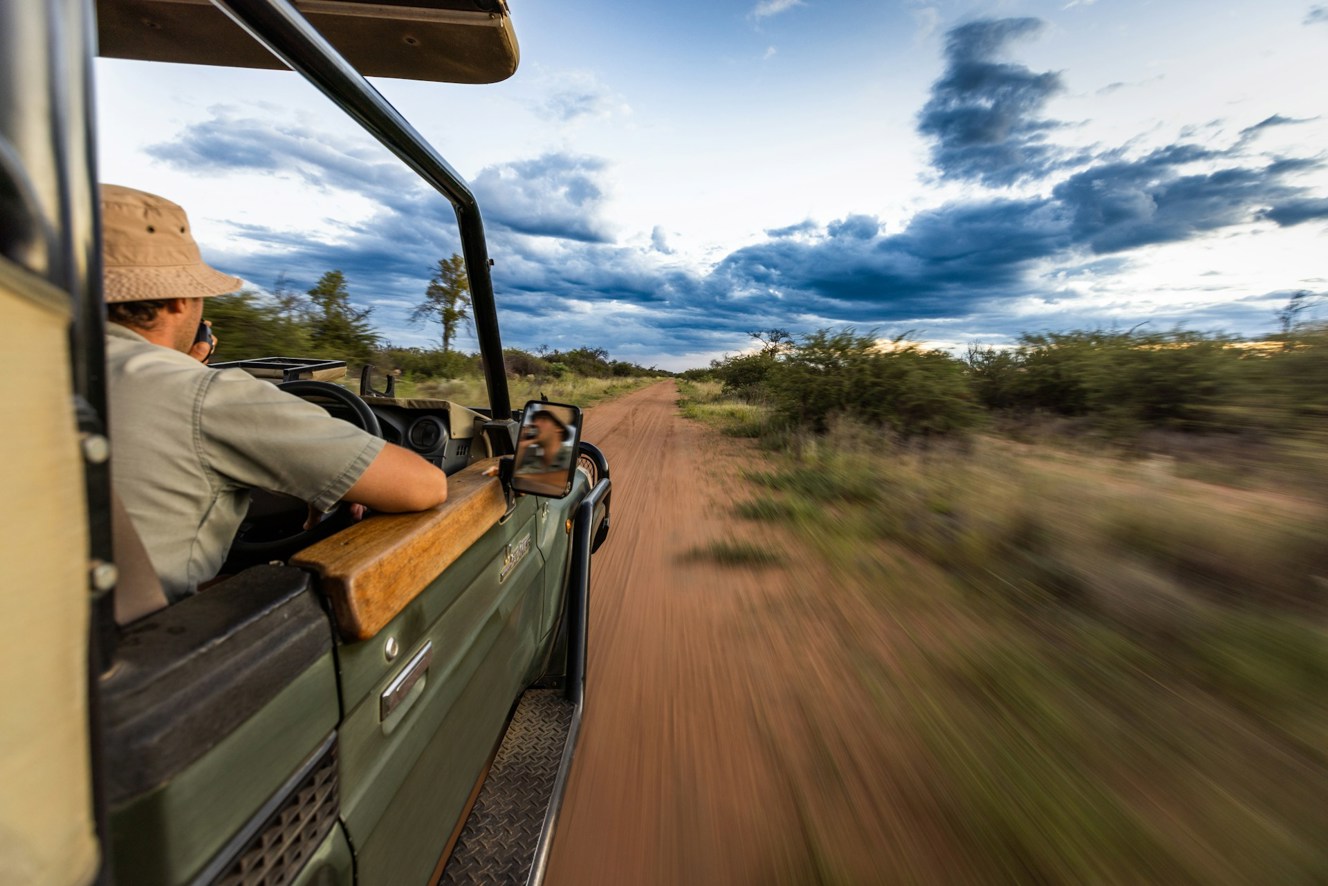
The best solo drivers are not the ones who can drive the longest. They are the ones who know when the plan needs changing.
Bad weather, heavy traffic, roadworks, fatigue or a late start can all turn a sensible trip into a grind. There is no prize for arriving shattered. If the drive is too long for one day, split it. If you are not safe to continue, stop.
A long drive without a co-driver is completely manageable with the right mindset. Plan the route, prepare the car, build in breaks and treat tiredness as information rather than inconvenience. You are not trying to be heroic. You are trying to arrive with the car, body and brain all in one piece.